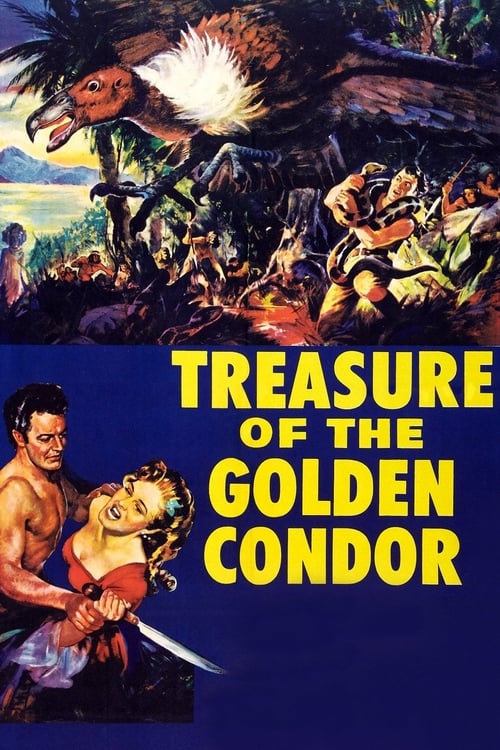
Treasure of the Golden Condor
1953
No user ratings available yet
Representation score: 0.5 out of 10
Representation Score
Minimal
1957
ApprovedDirector
Henry Hathaway
Runtime
109 minutes
Average Rating
No ratings yetNew Showbiz Analysis
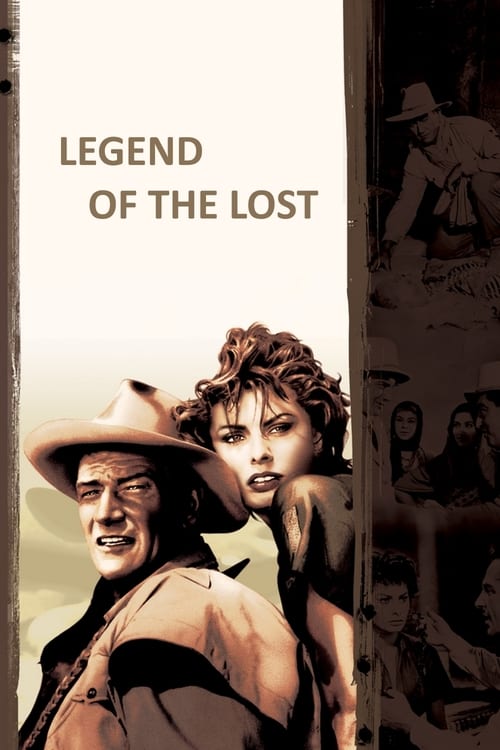
Legend of the Lost is a classic mid-century adventure that emphasizes traditional heroism over complex social issues. It uses the Saharan landscape to explore themes of greed and obsession through a conventional lens. The film relies on well-known character clichés, such as the rugged individualist and the obsessed treasure hunter. These roles reinforce the cinematic norms of the time rather than challenging them. In essence, the film serves as a cautionary tale about greed and betrayal, maintaining the social and cultural norms of its era without significantly deviating from established norms.
Category Breakdown
The film follows the standard heterosexual norms of 1950s cinema. There are no LGBTQ+ identities represented.
Gender roles are traditional, with Dita playing a minor role in the plot as a romantic figure rather than a protagonist.
The film has a Western perspective despite being set in North Africa. Local populations are used mainly as part of the environment, without much influence on the main storyline.
The story follows a typical Western adventure format, focusing on morality and consequences. It upholds traditional views without questioning Western institutions.
There is no discernible representation of physical or neurodivergent disabilities within the plot details provided.
Present on Screen
Limited or Absent
Official Synopsis
American ne'er-do-well Joe January is hired to take Paul Bonnard on an expedition into the desert in search of treasure.
1953
1950

1959
1962
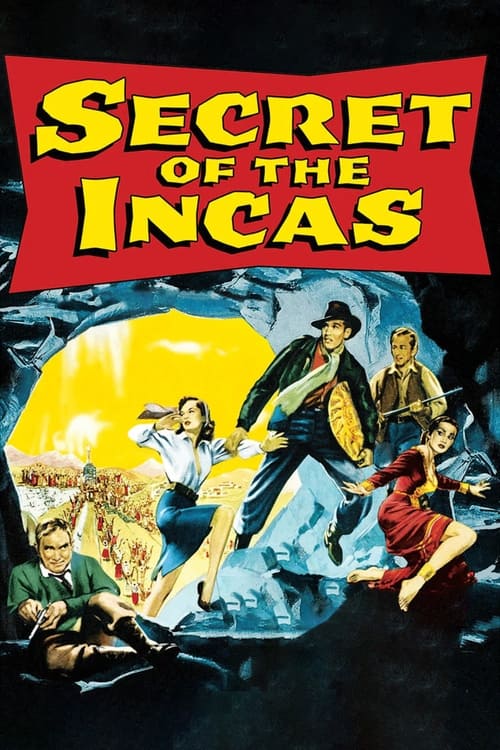
1954

1967
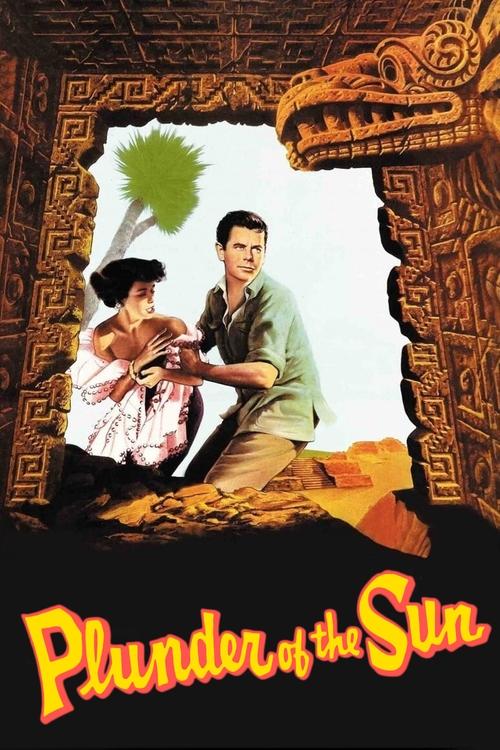
1953
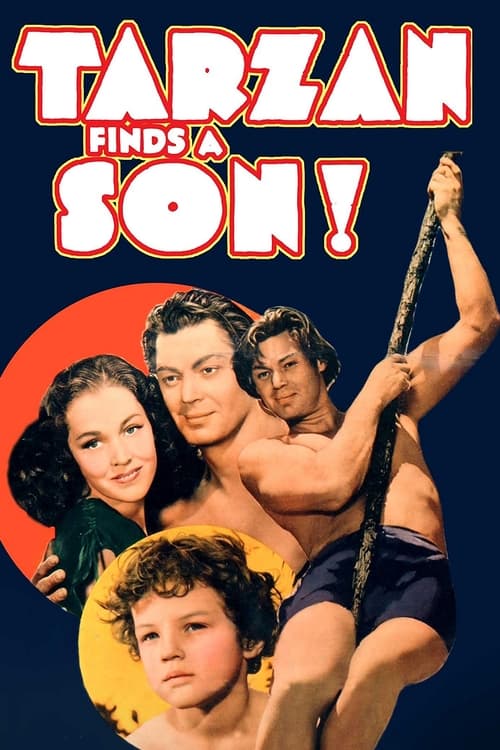
1939
No reviews yet. Be the first to share your thoughts on this movie!
Use the rating form above to leave a star rating and optional review.