
South of Pago Pago
1940
No user ratings available yet
Representation score: 0.9 out of 10
Representation Score
Minimal
1954
PassedDirector
William Castle
Runtime
73 minutes
Average Rating
No ratings yetNew Showbiz Analysis
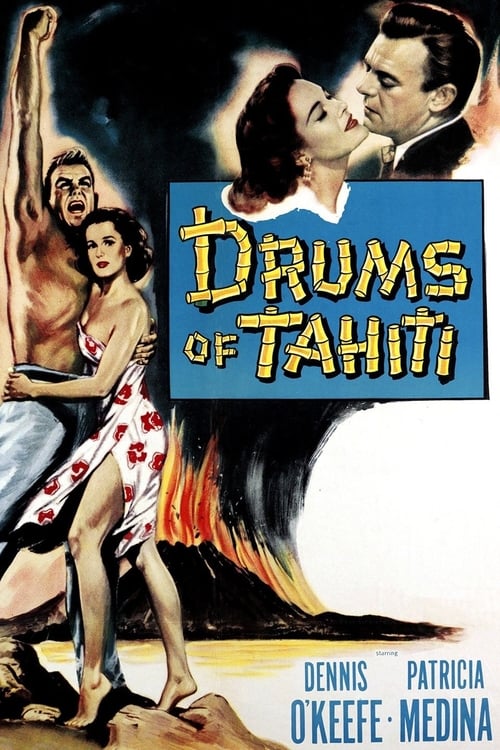
Drums of Tahiti is a mid-century adventure that operates through a colonialist lens. While it includes indigenous actors to populate the setting, the narrative remains focused on Western characters and their experiences. The film reinforces traditional hierarchies, particularly regarding gender and cultural power dynamics. Indigenous cultures serve more as exotic backdrops than as subjects with independent ability to act. Ultimately, the production reflects the social norms of 1954, prioritizing a Western-centric worldview without challenging established status quos.
Category Breakdown
The film follows strict 1950s conventions where everyone is assumed to be straight and cisgender. There are no representations of LGBTQ+ identities or same-sex relationships.
The narrative focuses on male characters, with the female lead primarily defined by her relationship to the male protagonist. She does not have much independence or ability to act outside of her romantic involvement.
Polynesian actors are used to represent indigenous characters, which helps avoid total erasure of these cultures. However, the film treats these cultures mainly as exotic settings rather than subjects with their own stories.
The story emphasizes a Western perspective on cultural conflicts, reinforcing the social norms of its time. It presents a standard adventure format that upholds the societal order of the era.
There are no characters with visible or invisible disabilities. The film does not include any representation of neurodivergent individuals.
Present on Screen
Limited or Absent
Official Synopsis
A smuggler (Dennis O'Keefe) buys a bride (Patricia Medina) in San Francisco to help him run guns in 1877 Tahiti.
1940
1964

1954

1953

1954

1952

1952

1951
No reviews yet. Be the first to share your thoughts on this movie!
Use the rating form above to leave a star rating and optional review.