The Wicked Die Slow
1968
No user ratings available yet
Diversity score: 2.7 out of 10
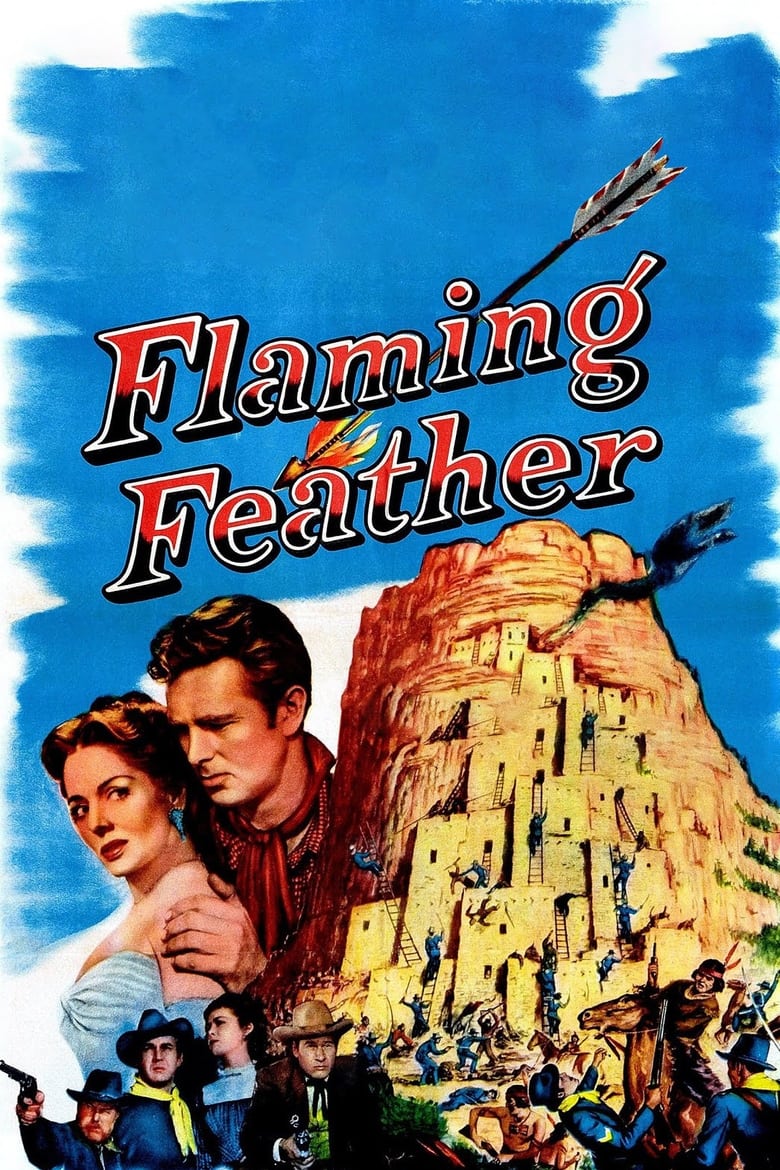
1952
NRDirector
Ray Enright
Runtime
77 minutes
Average Rating
No ratings yetSynopsis
A mysterious outlaw known as the Sidewinder, phantom leader of renegade Ute Indians, terrorizes the people of the Arizona Territory in the 1870s. When rancher Tex McCloud has his place burned out, he vows to find and kill the Sidewinder.
Overall Score
Limited
Category Breakdown
LGBTQ+ Representation
The film lacks any evidence of LGBTQ+ characters or non-heteronormative identities. The story follows a standard heteronormative structure typical of 1952 cinema.
Gender Representation
The plot is driven by masculine archetypes, focusing on male agency and physical conflict. Leadership and decisive action are reserved for male protagonists like Tex McCloud.
Racial & Ethnic Diversity
Indigenous themes are present through the depiction of the Ute people. However, they are framed as an antagonistic force against settler expansion and Western progress.
Religious & Cultural Diversity
The narrative reinforces traditional Western values like land ownership and frontier justice. It validates the protagonist's right to defend property and enact personal justice.
Disability Representation
There is no mention of characters possessing visible or invisible disabilities within the narrative.
Strengths
Areas for Improvement
AI Analysis
Flaming Feather is a product of mid-century Hollywood, adhering strictly to the social hierarchies and narrative structures of its era. The film centers on a traditional conflict between a white rancher and an Indigenous outlaw, reinforcing established Western tropes. While the film provides ethnic presence through the Ute characters, it positions them as a systemic threat to the protagonist. This framing prioritizes settler-colonial perspectives over nuanced cultural representation. Ultimately, the film offers little subversion of the status quo, focusing instead on masculine agency and conventional frontier morality.
1968
1954

1951
1936

1962

1946
1952
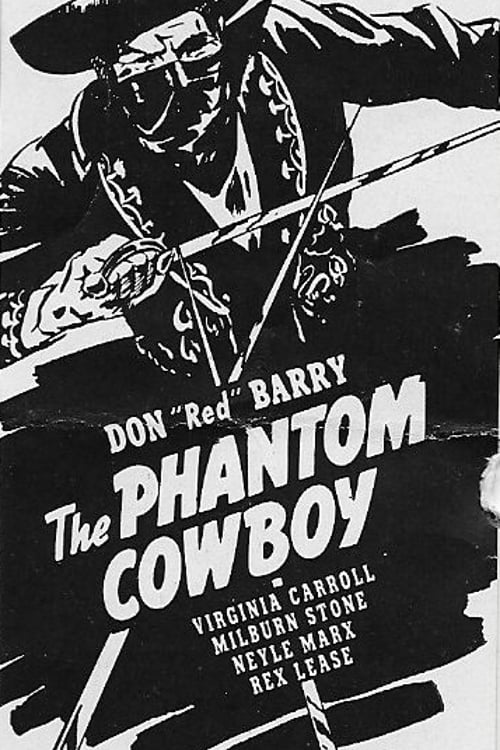
1941
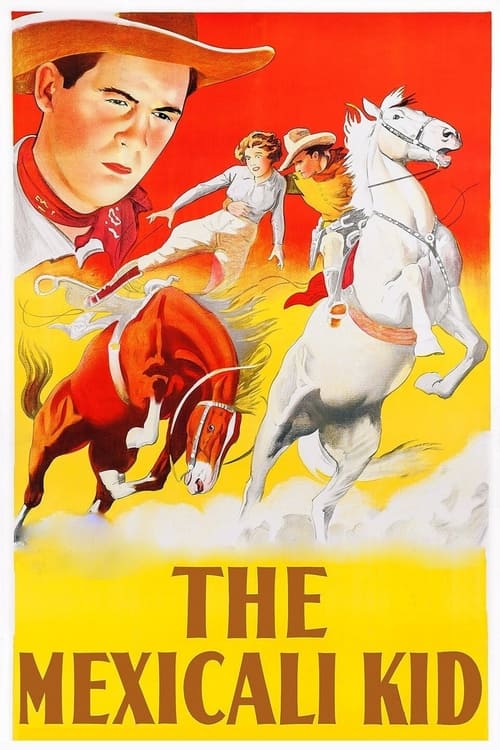
1938
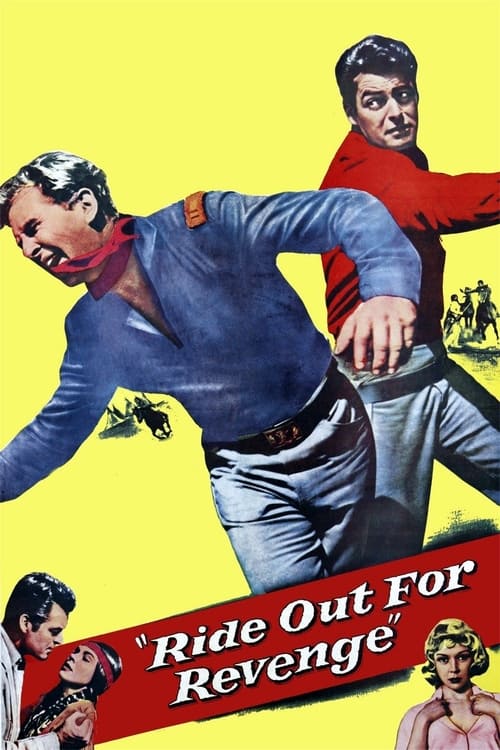
1957
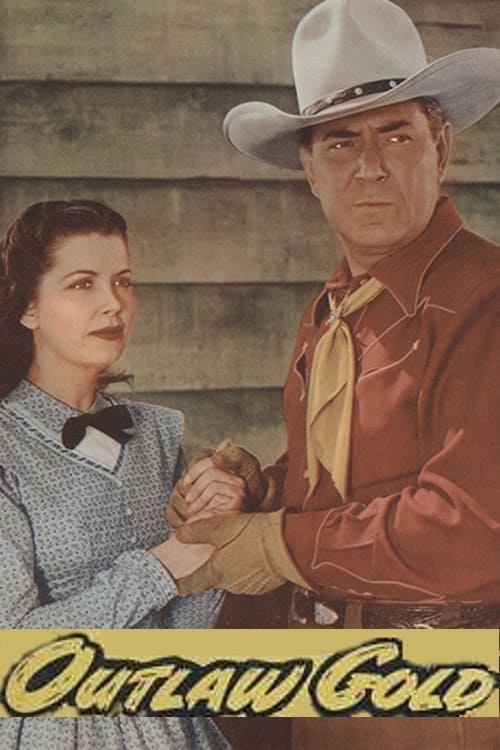
1950
1927
No reviews yet. Be the first to share your thoughts on this movie!
Use the rating form above to leave a star rating and optional review.