
Garden of Evil
1954
No user ratings available yet
Representation score: 0.5 out of 10
Representation Score
Limited
1960
Director
Victor Adamson, Al Adamson
Runtime
67 minutes
Average Rating
No ratings yetNew Showbiz Analysis
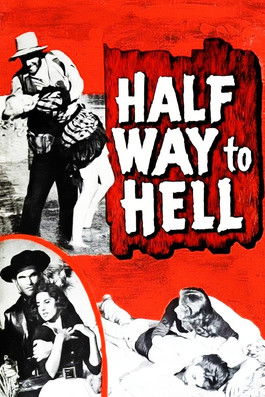
Half Way to Hell is a typical Western film that relies heavily on established genre conventions. Although it includes a diverse cast, the characters mainly serve to fulfill traditional roles rather than offering nuanced perspectives. The film's structure reinforces existing social hierarchies. Gender roles are strictly defined, with female characters serving as subjects of pursuit rather than active drivers of the plot, while the conflict remains centered on male authority and conquest. Overall, the film lacks the intention to challenge cultural norms. It operates within a predictable framework of property, duty, and individualistic pursuit, typical of low-budget exploitation cinema from this era.
Category Breakdown
The film does not include any characters with LGBTQ identities or same-sex relationships. The storyline revolves around a traditional marriage proposal, following the heterosexual norms typical of 1960s Westerns.
Maria San Carlos plays a key role, but her influence is limited due to her status as a betrothed daughter. The story is driven by male characters, emphasizing traditional roles of pursuit and authority.
The film features a mix of American and Mexican characters, providing some ethnic diversity. However, the focus on an American cowboy pursuing a Mexican General highlights a Western-centric viewpoint rather than deep character development.
The story adheres to standard mid-century Western themes involving land ownership and duty. It does not critique traditional family structures or Western institutions, maintaining a conventional conflict trajectory.
There are no visible or invisible disabilities depicted or mentioned in the narrative.
Present on Screen
Limited or Absent
Official Synopsis
Maria San Carlos, the only daughter of a wealthy landowner, is betrothed to Escobar, a General in the Mexican Revolution, but she does not love him. Escobar sends a mixed gang of Americans and Mexicans to capture her and bring her to him. Complications ensue when an American cowboy, who had been hitching a ride with Maria's entourage and has his gold stolen by the gang, pursues them across the desert.
1954

1967
1962
1960
1953
1966

1971
1969
No reviews yet. Be the first to share your thoughts on this movie!
Use the rating form above to leave a star rating and optional review.