
South of St. Louis
1949
No user ratings available yet
Diversity score: 1.9 out of 10
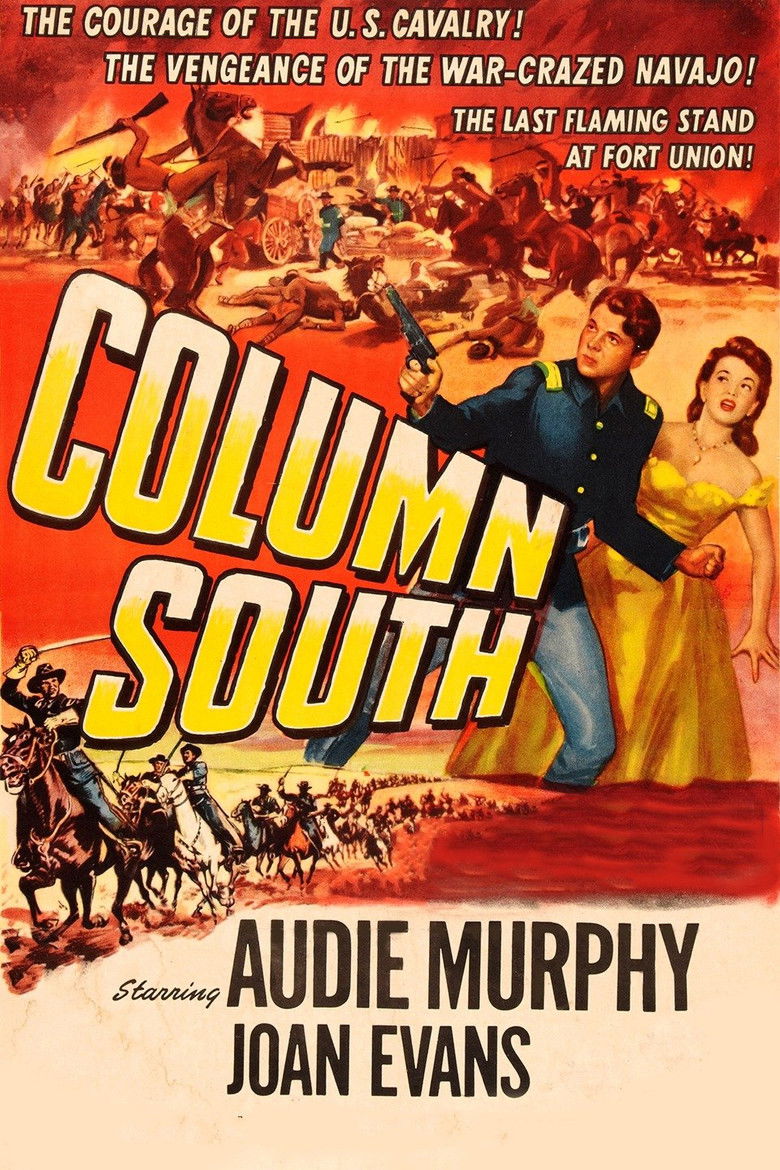
1953
NRDirector
Frederick de Cordova
Runtime
84 minutes
Average Rating
No ratings yetSynopsis
In the weeks prior to the start of the Civil War, Confederate sympathizers hope to help their cause by inciting a Navajo war in the New Mexico Territory. Director Frederick de Cordova's 1953 western stars Audie Murphy, Robert Sterling, Joan Evans, Ray Collins, Dennis Weaver, Palmer Lee, Jack Kelly, James Best, Bob Steele and Ralph Moody.
Overall Score
Limited
Category Breakdown
LGBTQ+ Representation
The film operates within a traditional heteronormative framework. There is no evidence of non-cisnormative identities or narratives that critique standard orientation roles.
Gender Representation
The narrative is almost exclusively male-centric, focusing on political agency and conflict. While Joan Evans is in the cast, the plot reinforces traditional masculine leadership.
Racial & Ethnic Diversity
The story engages with Navajo and Confederate dynamics, but indigenous groups appear to be tactical elements in a political struggle. They lack central agency within the narrative.
Religious & Cultural Diversity
The film adheres to established 1950s moral and patriotic frameworks. It focuses on historical Western tensions without deconstructing traditional institutions or cultural norms.
Disability Representation
There is no evidence regarding the depiction of physical or neurodivergent disabilities in this production.
Strengths
Areas for Improvement
AI Analysis
Column South is a product of its era, functioning within the conventional cinematic frameworks of 1953. The narrative focuses on the political maneuvering of Confederate sympathizers and frontier conflict, which prioritizes traditional social hierarchies. The film lacks intersectional character agency, as marginalized groups like the Navajo are used primarily as plot devices for larger political struggles. This reinforces a standard Western trope where indigenous populations lack autonomy. Ultimately, the film serves as a reflection of mid-century studio-era filmmaking, emphasizing masculine-driven plotlines and established historical narratives rather than subverting cultural norms.
1949

1951
1941
1950
1961

1962
1954
1953
1957
1953
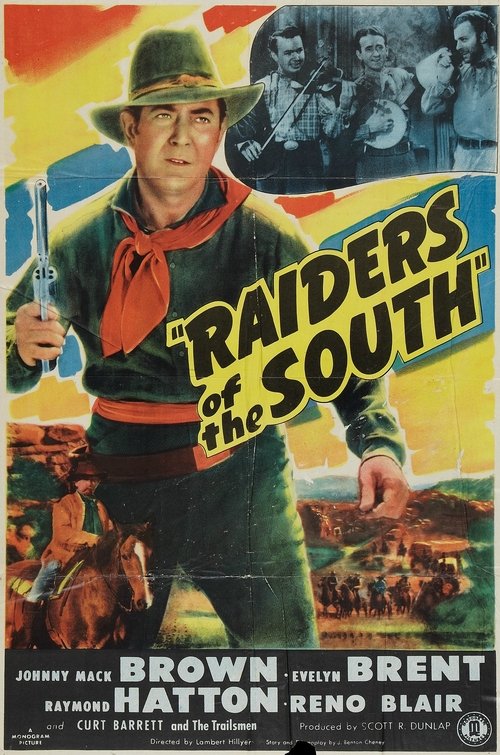
1947
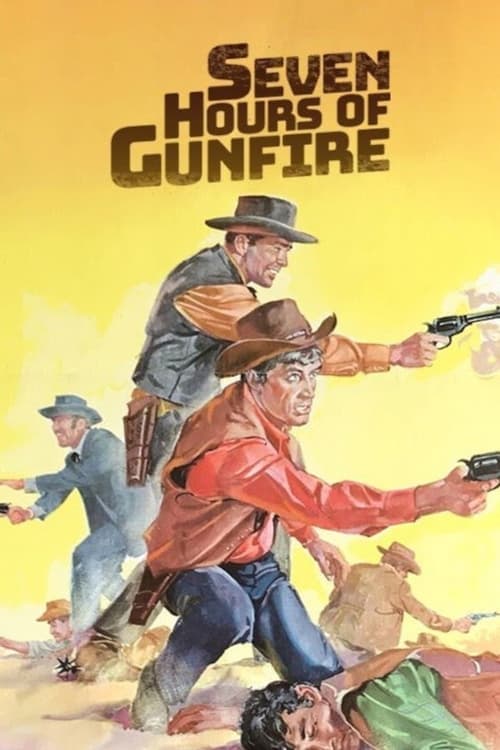
1965
No reviews yet. Be the first to share your thoughts on this movie!
Use the rating form above to leave a star rating and optional review.