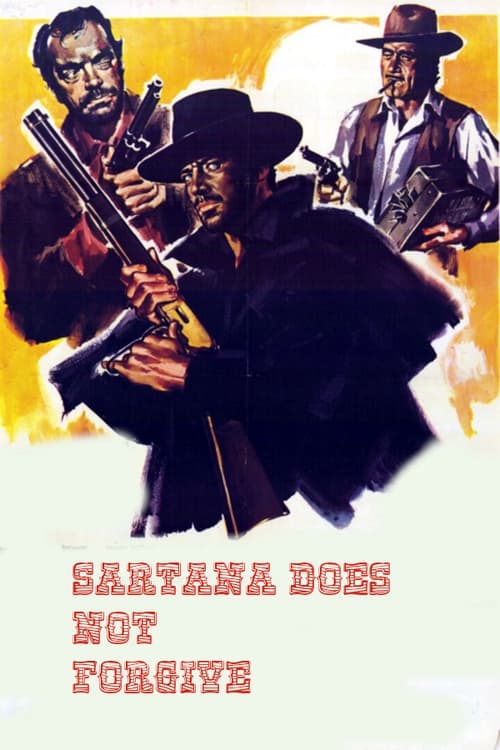
Sartana Does Not Forgive
1968
No user ratings available yet
Representation score: 1.1 out of 10
Representation Score
Minimal
1968
RDirector
William K. Hennigar
Runtime
95 minutes
Average Rating
No ratings yetNew Showbiz Analysis
The film strictly adheres to traditional Western clichés from 1968, relying on established archetypes that emphasize masculine ability to act and individual retribution over more inclusive storytelling. While the inclusion of a Mexican sidekick provides some racial representation, his role reinforces a hierarchical power structure common to the genre. Gender roles are also rigid, with the female character positioned as a passive catalyst rather than an active participant. The film functions as a conventional genre piece rather than a subversive work.
Category Breakdown
The film does not include any LGBTQ+ characters or narratives that question the assumption that everyone is straight or cisgender. The main conflict revolves around a traditional romantic relationship between a male protagonist and a female partner.
The story follows a traditional gender hierarchy where the female character is passive and serves as a catalyst for the plot, while the male protagonist holds the dominant, active role.
The film includes a Mexican sidekick named Armadillo, which adds some racial diversity. However, this character's role may reinforce power structures where the minority character supports the protagonist’s journey.
The story adheres to typical 1960s Western conventions focused on vengeance and individual justice. It lacks systemic critiques and sticks to traditional frontier morality and retribution.
There are no characters with visible or invisible disabilities mentioned in the narrative.
Present on Screen
Limited or Absent
Official Synopsis
“The Kid,” a notorious gunfighter, and his Mexican sidekick Armadillo ride through the post-Civil War West looking for four Indians who raped the Kid’s girl friend.
1968
1967
1967
1956
1965
1967
1968
1967
No reviews yet. Be the first to share your thoughts on this movie!
Use the rating form above to leave a star rating and optional review.