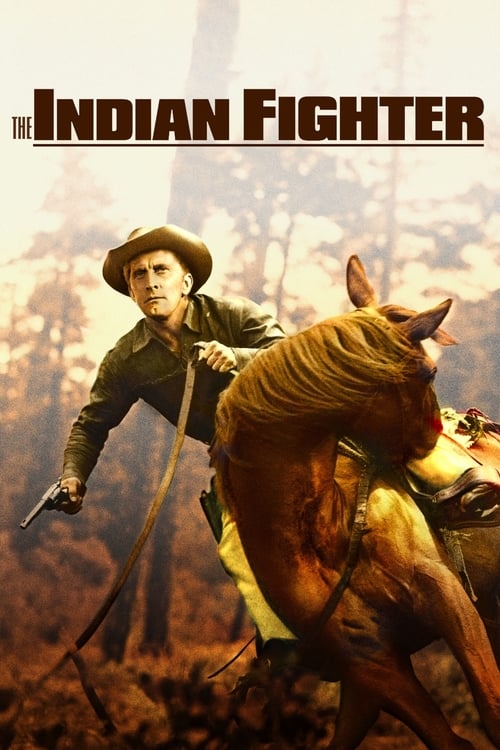
The Indian Fighter
1955
No user ratings available yet
Representation score: 0.9 out of 10
Representation Score
Limited
1958
ApprovedDirector
Charles Marquis Warren
Runtime
76 minutes
Average Rating
No ratings yetNew Showbiz Analysis
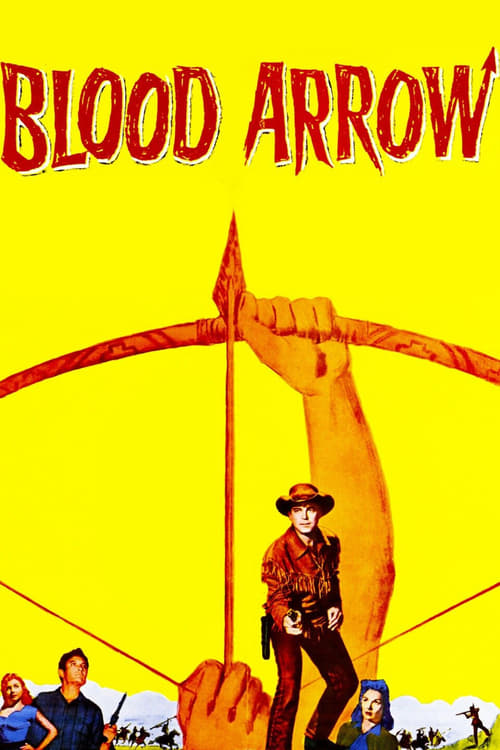
Blood Arrow is a quintessential 1950s Western that prioritizes traditional social hierarchies over subversion. While the female lead is the catalyst for the plot, her role is defined by a need for male guardianship, reinforcing standard gender roles of the period. The film's approach to race and culture is rooted in the colonialist clichés of its time. By framing Indigenous lands as hostile obstacles, the narrative serves the expansionist themes common to the genre rather than offering complex cultural depictions. Ultimately, the film functions as a product of its era, utilizing religious and gendered archetypes to uphold established mid-century moral and social frameworks.
Category Breakdown
The film does not include any visible LGBTQ+ characters or non-straight identities. It adheres to the conventional social structures typical of 1950s Western cinema.
Phyllis Coates drives the plot as a woman on a vital mission, yet her role is framed by vulnerability. She relies on a male-dominated group for protection through hostile territory.
The film employs the 'Indian scout' cliché, providing some racial presence. However, framing Indigenous lands as 'hostile' reinforces colonialist perspectives of the era.
The protagonist's identity as a devout Mormon places religious devotion at the center of the story. The narrative emphasizes mid-century values of community preservation and frontier order.
There is no evidence of characters with physical or neurodivergent disabilities in this production.
Present on Screen
Limited or Absent
Official Synopsis
Phyllis Coates, TV's erstwhile Lois Lane, essays one of her largest film roles in Blood Arrow. Coates is cast as a devout Mormon girl whose mission is to transport smallpox vaccine to her friends and neighbors. Unfortunately, this requires her to journey through hostile Indian territory. Appointing themselves as the girl's unofficial protectors are Indian scout Scott Brady, trapper Don Haggerty and (reluctantly) gambler Paul Richards.
1955
1966
1954
1960
1955
1957
1943
1953
No reviews yet. Be the first to share your thoughts on this movie!
Use the rating form above to leave a star rating and optional review.