
The Sultans
1966
No user ratings available yet
Diversity score: 3.9 out of 10

1952
ApprovedDirector
Jean Delannoy
Runtime
108 minutes
Average Rating
No ratings yetSynopsis
After attending to a suicidal young man, Dr Richard learns that his wife has been unfaithful for years. This comes as a shock after 10 years of supposedly happy marriage. Back home, he demands answers from Madeleine. A long night of explanations ensues.
Overall Score
Minimal
Category Breakdown
LGBTQ+ Representation
The film focuses entirely on heteronormative marital dynamics. There is no evidence of queer narratives or non-cisnormative identities present in the story.
Gender Representation
The narrative explores the disruption of traditional gender hierarchies through infidelity. However, the focus remains on the husband's emotional reaction and his demand for answers.
Racial & Ethnic Diversity
Reflecting the demographic homogeneity of 1952 France, the film appears to adhere to standard Western European casting norms. No diverse cast is indicated.
Religious & Cultural Diversity
The story examines the deconstruction of the traditional Western 'happy marriage.' It prioritizes individual morality and interpersonal betrayal over broader systemic or institutional critiques.
Disability Representation
A suicidal individual serves as a narrative catalyst for the protagonist. However, disability is used as a plot device rather than a central theme of identity.
Strengths
Areas for Improvement
AI Analysis
The film is a mid-century psychological drama that prioritizes classical storytelling and domestic tension over intersectional representation. It functions as a character study of marital collapse rather than a tool for social subversion. The narrative relies on traditional tropes of the era, focusing on the fragility of the patriarchal household and private morality. While it challenges the concept of an idealized marriage, it does so through personal crisis. Ultimately, the work reflects the demographic and social norms of 1952 French cinema, offering little engagement with diverse identities or systemic social hierarchies.
1966
1953

1952
1958
1951
1933
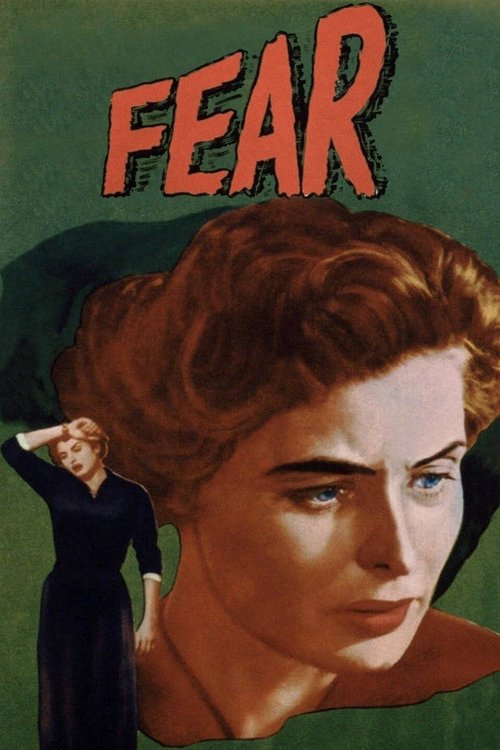
1954

1947
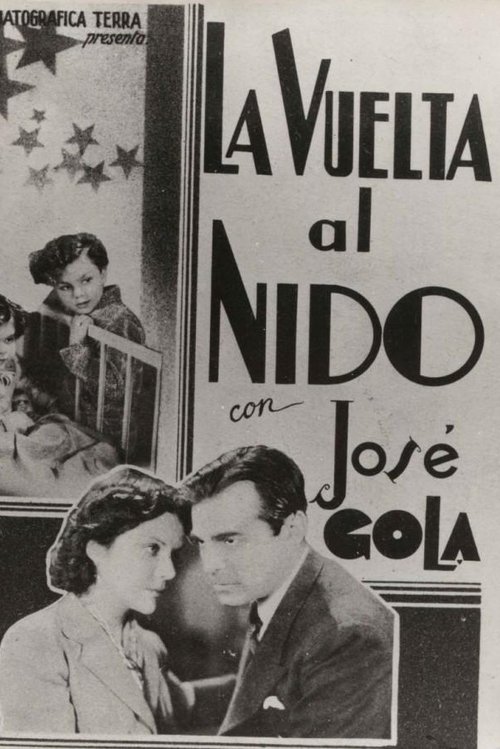
1938
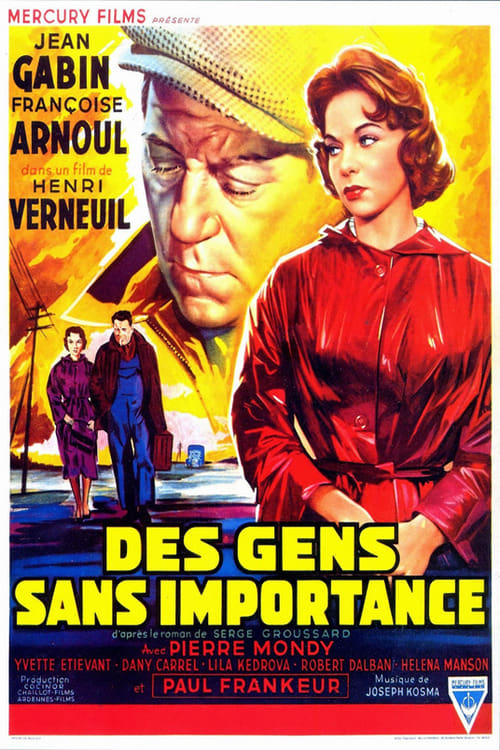
1956
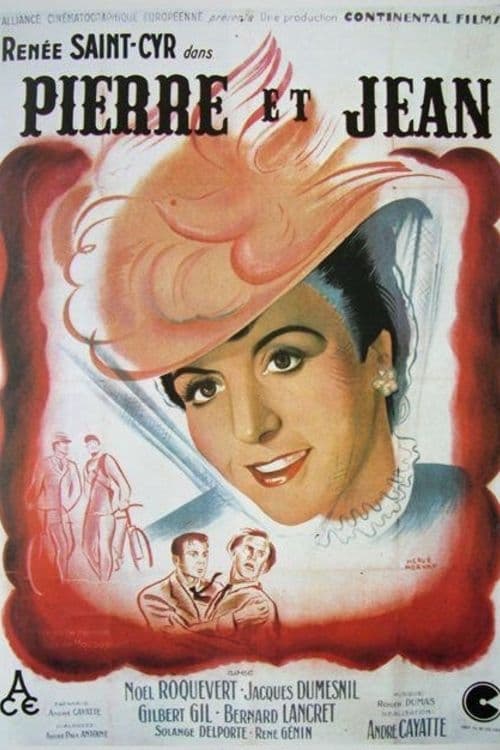
1943
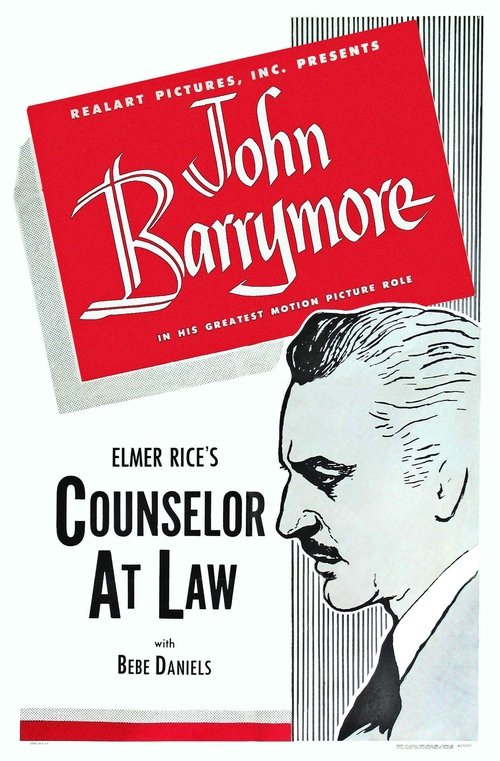
1933
No reviews yet. Be the first to share your thoughts on this movie!
Use the rating form above to leave a star rating and optional review.