Orage
1938
No user ratings available yet
Representation score: 2.0 out of 10
Representation Score
Minimal
1933
Director
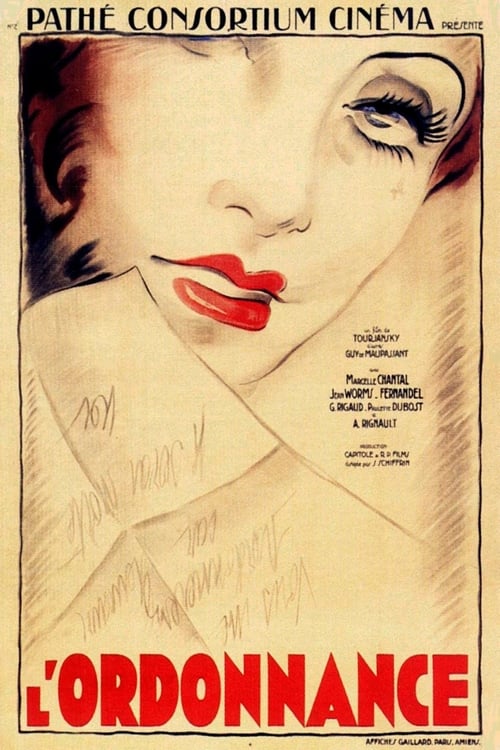
Viktor Tourjansky
Runtime
76 minutes
Average Rating
No ratings yetNew Showbiz Analysis
The Orderly is a product of its era, deeply embedded in the traditional social and cinematic hierarchies of the early 1930s. The story relies on conventional interpersonal conflicts and adheres to standard demographic and gendered power dynamics of the time. The film lacks representation of LGBTQ+ identities, racial diversity, or disability. Its narrative structure reinforces patriarchal systems, where women's ability to drive the story is limited to domestic or romantic concessions within a male-dominated hierarchy. Ultimately, the work functions as a traditional drama that maintains existing social norms rather than challenging them through diverse perspectives or institutional critiques.
Category Breakdown
The film focuses on heterosexual relationships and infidelity, with no representation of non-binary genders or same-sex intimacy.
The movie uses clichés of female vulnerability and ties female power to sexual availability rather than systemic authority.
The film likely reflects the homogeneous demographic standards of early 20th-century European cinema, with no indication of a diverse cast or non-European characters.
The plot centers on personal secrets and social reputation, focusing on individual morality without critiquing Western institutions or social hierarchies.
There is no information regarding characters with physical, sensory, or neurodivergent disabilities.
Present on Screen
Limited or Absent
Official Synopsis
Philippe, the order of an old colonel, surprises the wife of his boss in the arms of a young lieutenant. So that he remains silent, she offers herself to him
1938
1930
1936
1938
1930
1927
1937
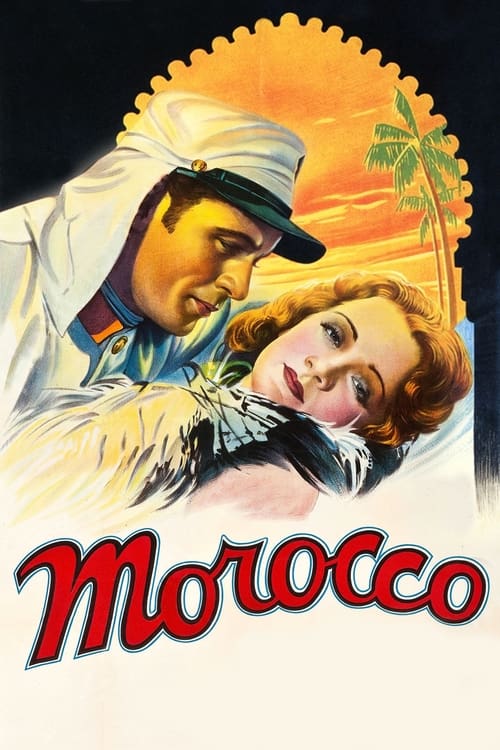
1930
No reviews yet. Be the first to share your thoughts on this movie!
Use the rating form above to leave a star rating and optional review.