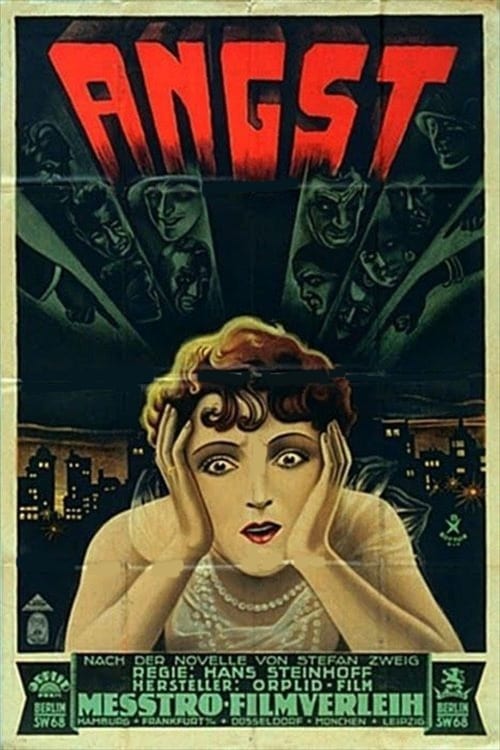
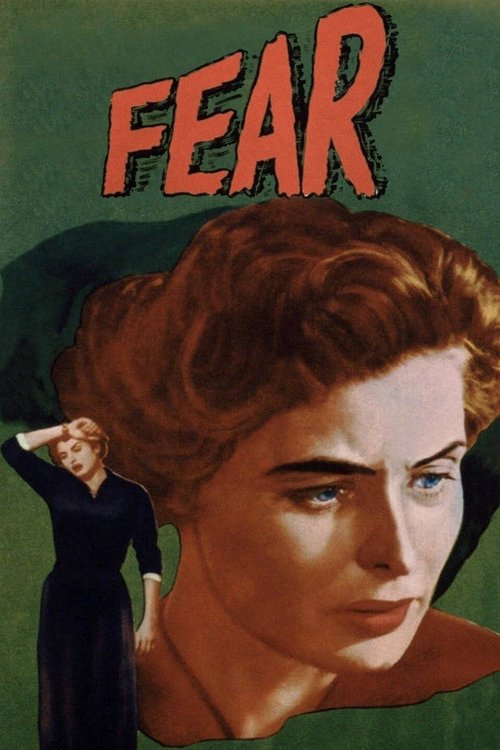
Fear
1928
No user ratings available yet
Representation score: 3.2 out of 10
Representation Score
Minimal
1954
Director
Roberto Rossellini
Runtime
83 minutes
Average Rating
No ratings yetNew Showbiz Analysis
The film functions as a domestic thriller that emphasizes psychological realism over social critique. It explores the tension between individual desires and the expectations set by institutions such as marriage and scientific prestige. While the movie captures the socioeconomic anxieties of the time, it does not aim to disrupt traditional social or gender hierarchies. Instead, it stays focused on the personal ethics of its characters, avoiding broader systemic critiques.
Category Breakdown
The film focuses on a conflict centered around infidelity and jealousy, which aligns with traditional heterosexual relationships. It does not include any representation of non-binary genders or stories that challenge conventional norms.
Irene bears the emotional burden of her affair, while Professor Wagner is portrayed as needing protection. The narrative emphasizes a traditional gender hierarchy where women's influence is linked to maintaining their husbands' stability.
The cast is predominantly made up of similar types of people, reflecting the demographics of mid-century Europe. There is no indication of intentional inclusion of diverse racial backgrounds.
The story delves into post-war economic and social concerns through personal morality and ethical relativism. It focuses on individual ethics rather than broader systemic critiques or specific religious or anti-capitalist viewpoints.
There are no portrayals of physical, cognitive, or sensory disabilities. The characters' conflicts are confined to psychological and interpersonal issues.
Present on Screen
Limited or Absent
Official Synopsis
Irene Wagner, the wife of the prominent German scientist Professor Albert Wagner, had been having an affair with Erich Baumann. She does not disclose this to her husband, hoping to preserve his innocence and their "perfect marriage". This fills her with anxiety and guilt. However, Johanna Schultze, Erich's jealous ex-girlfriend, learns about the affair and begins to blackmail Irene, turning Irene's psychological torture into a harsh reality.
1928
1950
1961
1955
1950

1943
1936
1953
No reviews yet. Be the first to share your thoughts on this movie!
Use the rating form above to leave a star rating and optional review.