Vertigo
1945
No user ratings available yet
Diversity score: 1.5 out of 10
1943
TV-PGDirector
André Cayatte
Runtime
72 minutes
Average Rating
No ratings yetSynopsis
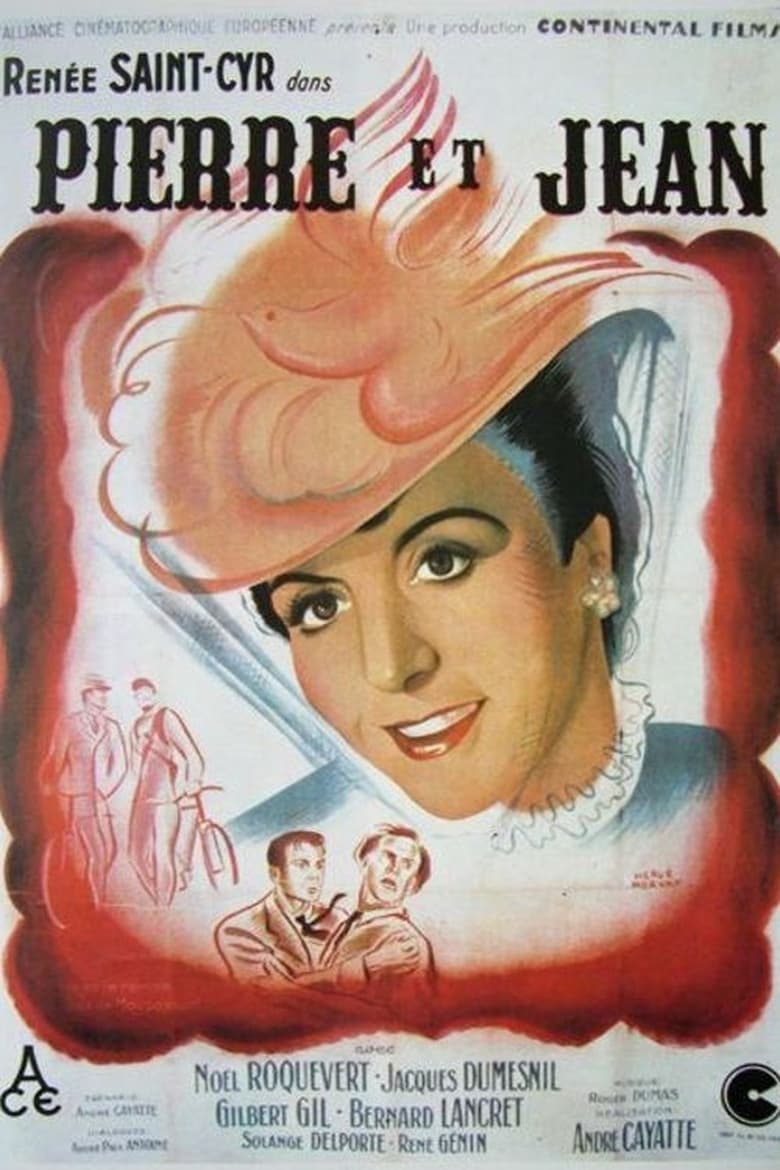
Alice, an unhappy young woman in the household, is the mother of a little boy, Pierre. She falls in love with a young doctor and plans to run away with him and his son. Finally, not considering the right to deprive Pierre of his father, she gives up. Twenty years pass, Pierre has grown up, he suspects his little brother, Jean, of just being his half-brother. His suspicions gnaw at him, his mother confesses to him her past fault. Faced with this confession, Pierre will abandon the one who sacrificed her life for him.
Overall Score
Minimal
Category Breakdown
LGBTQ+ Representation
The film focuses entirely on heteronormative family structures and biological lineage. There is no presence of queer subtext or non-cisnormative identities.
Gender Representation
Alice shows agency through her pursuit of romance, yet her story ends in self-sacrifice. The male characters ultimately drive the plot's resolution and structural consequences.
Racial & Ethnic Diversity
The setting depicts a homogeneous social environment. The cast reflects the demographic norms of mid-century France without any visible racial diversity.
Religious & Cultural Diversity
The narrative reinforces Western values regarding family sanctity and social reputation. It explores the psychological weight of maintaining traditional domestic institutions.
Disability Representation
No visible or invisible disabilities are portrayed. Characters with disabilities are not used as narrative devices within the story.
Strengths
Areas for Improvement
AI Analysis
Pierre et Jean is a period-specific psychological drama that prioritizes individual guilt and familial secrets. The narrative architecture reinforces the gravity of traditional social contracts rather than challenging them. While the protagonist Alice demonstrates emotional agency, her arc serves to highlight the consequences of deviating from established social norms. The film remains rooted in the psychological realism of mid-century French cinema, focusing on interpersonal morality. Ultimately, the film's structure is highly conventional, centering on the tension between individual desire and the preservation of the domestic unit.
1945

1945
1931
1931
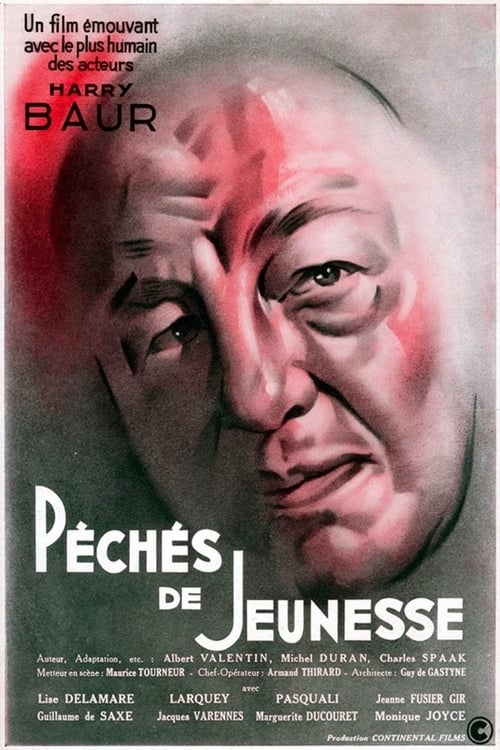
1941
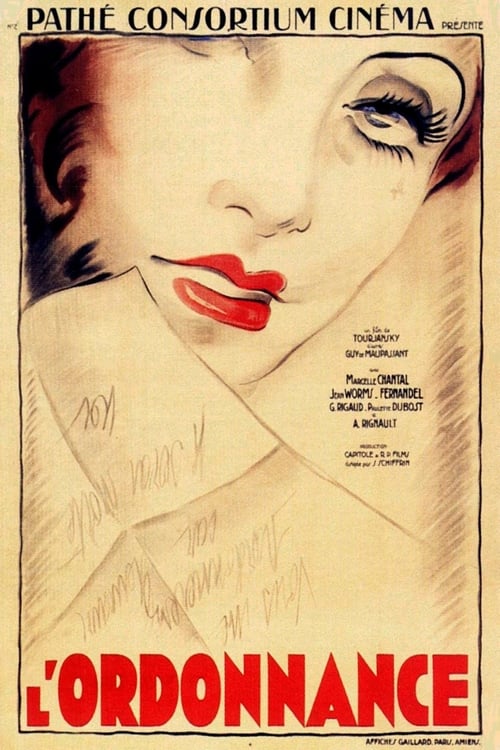
1933
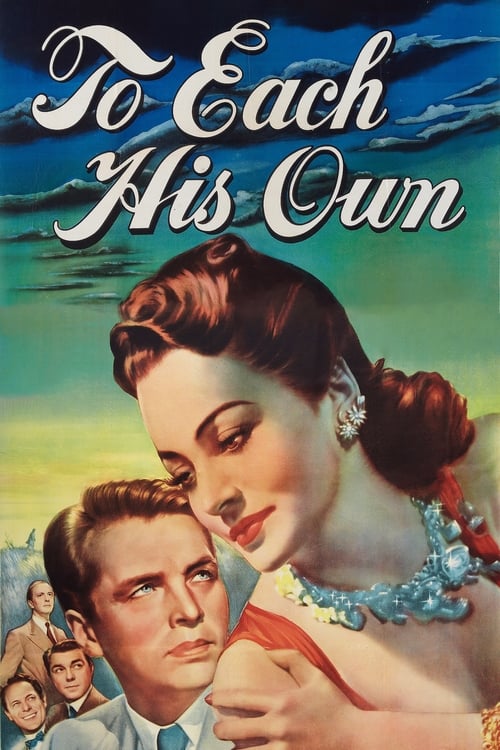
1946

1947

1952
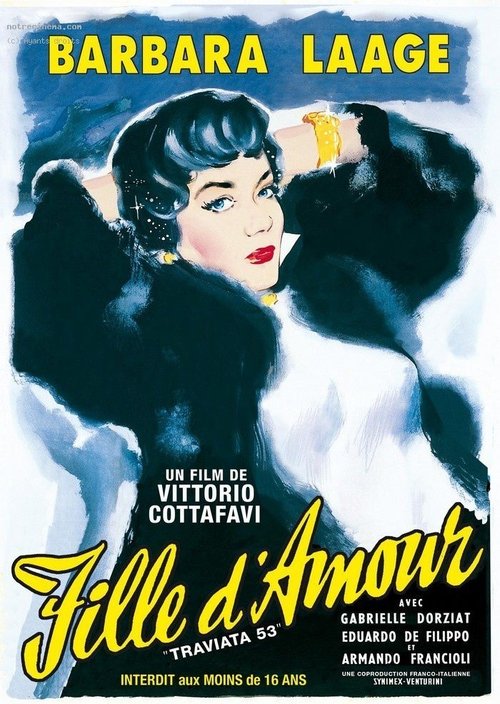
1953
1950
1934
No reviews yet. Be the first to share your thoughts on this movie!
Use the rating form above to leave a star rating and optional review.