
The Moment of Truth
1952
No user ratings available yet
Diversity score: 1.8 out of 10
1953
ApprovedDirector
George More O'Ferrall
Runtime
105 minutes
Average Rating
No ratings yetSynopsis
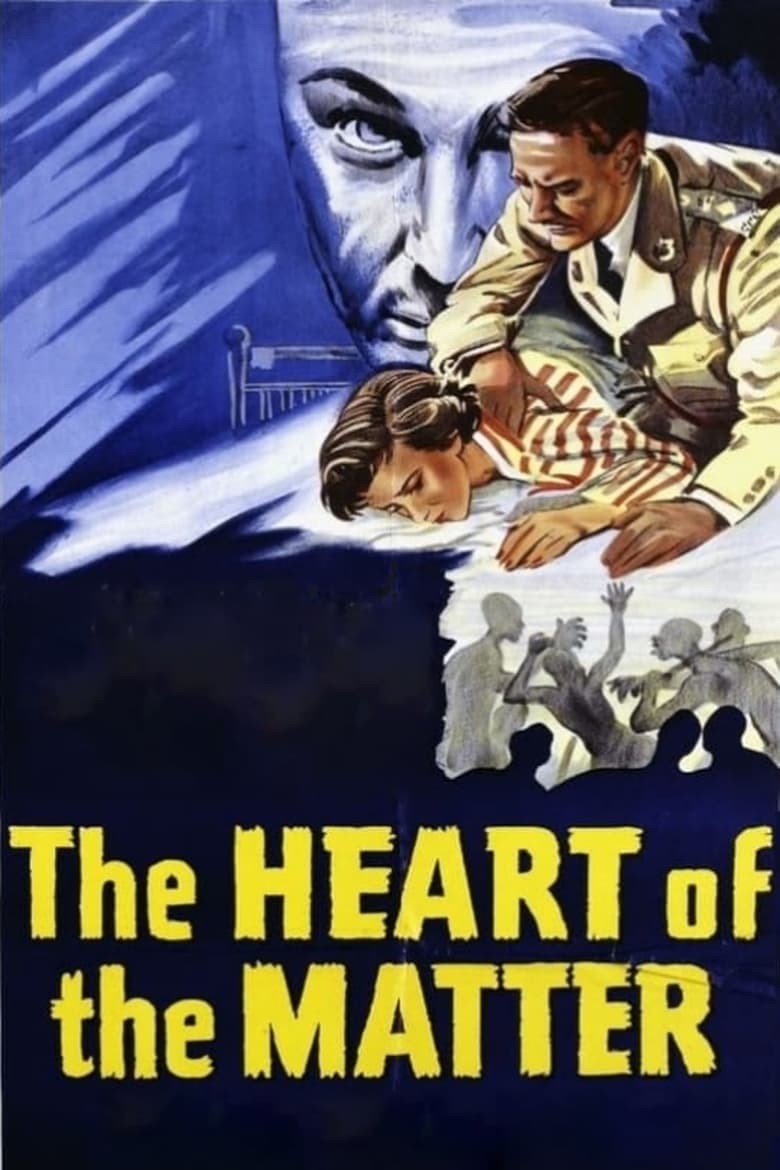
Based on Graham Greene’s novel, a married colonial police chief struggles with his conscience when he has an affair with a younger woman.
Overall Score
Minimal
Category Breakdown
LGBTQ+ Representation
The film operates within a strictly heteronormative framework. There is no presence of LGBTQ+ characters or queer subtext within the narrative.
Gender Representation
Gender roles follow mid-century social hierarchies and traditional expectations. Female characters often face social scrutiny rather than driving systemic change.
Racial & Ethnic Diversity
The cast and setting are predominantly homogeneous and Anglo-centric. The film lacks significant representation of non-white or non-Anglo-Saxon characters.
Religious & Cultural Diversity
The story is deeply embedded in traditional Western and religious institutions. It emphasizes the preservation of social order and established communal values.
Disability Representation
There is no visible representation of physical, sensory, or neurodivergent disabilities. The plot focuses on psychological and moral struggles instead.
Strengths
Areas for Improvement
AI Analysis
The Heart of the Matter is a mid-century drama that prioritizes individual conscience over social disruption. It functions as a study of morality within a stable, traditional social fabric, adhering closely to the cinematic conventions of its era. Because the film reinforces established hierarchies rather than challenging them, it lacks diversity across most categories. The narrative focuses on a colonial police chief's struggle with infidelity, keeping the scope localized to traditional Western social structures. Ultimately, the film serves as a period piece that reflects the homogeneous and heteronormative values of the 1950s.
1952
1933

1951

1961
1952

1934

1954
1969
1956

1948

1956
1968
No reviews yet. Be the first to share your thoughts on this movie!
Use the rating form above to leave a star rating and optional review.