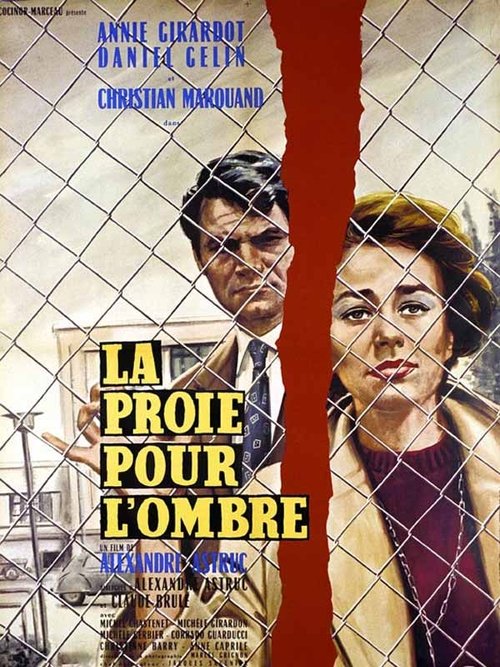
Shadows of Adultery
1961
No user ratings available yet
Diversity score: 5.9 out of 10

1958
NRDirector
Alexandre Astruc
Runtime
86 minutes
Average Rating
No ratings yetSynopsis
Normandy, second half of the nineteenth century. Jeanne Dandieu lives in a manor house with her parents and their servant Rosalie. She gets to know Julien, a handsome man, whom she soon marries. Her happiness is short-lived as she finds out that not only has Julien married her for her money but he cheats on her as well, with Rosalie to crown it all.
Overall Score
Minimal
Category Breakdown
LGBTQ+ Representation
The film focuses on heteronormative romantic structures and traditional marital bonds. There is no depiction of non-cisnormative identities or same-sex intimacy.
Gender Representation
Jeanne Dandieu's agency is compromised by patriarchal marriage structures and her husband's deception. The film critiques the emotional toll of male infidelity and economic exploitation.
Racial & Ethnic Diversity
Set in rural 19th-century Normandy, the cast reflects the demographic homogeneity of the era. The narrative maintains a localized, Eurocentric social hierarchy.
Religious & Cultural Diversity
The story operates within traditional Western social structures, focusing on the landed gentry and domestic service. It portrays personal moral failure rather than systemic institutional critique.
Disability Representation
There are no depictions of physical impairments, neurodivergence, or visible disabilities within the narrative.
Strengths
Areas for Improvement
AI Analysis
End of Desire is a realist period drama that prioritizes individual character tragedy over systemic representation. It adheres strictly to the social and historical norms of 19th-century France. The film explores the intersection of class and gender through the lens of marital betrayal. While it highlights the vulnerability of women and the friction between the landed gentry and domestic servants, it does not seek to disrupt established social hierarchies. Ultimately, the production functions as a traditional literary adaptation. It lacks the intentionality required for intersectional representation, focusing instead on the breakdown of domestic institutions through personal moral failings.
1961

1952
1949
1969
1956
1951

1961
1933
1952

1956
1951
1957
No reviews yet. Be the first to share your thoughts on this movie!
Use the rating form above to leave a star rating and optional review.