
The Truth About Bebe Donge
1952
No user ratings available yet
Diversity score: 2.6 out of 10
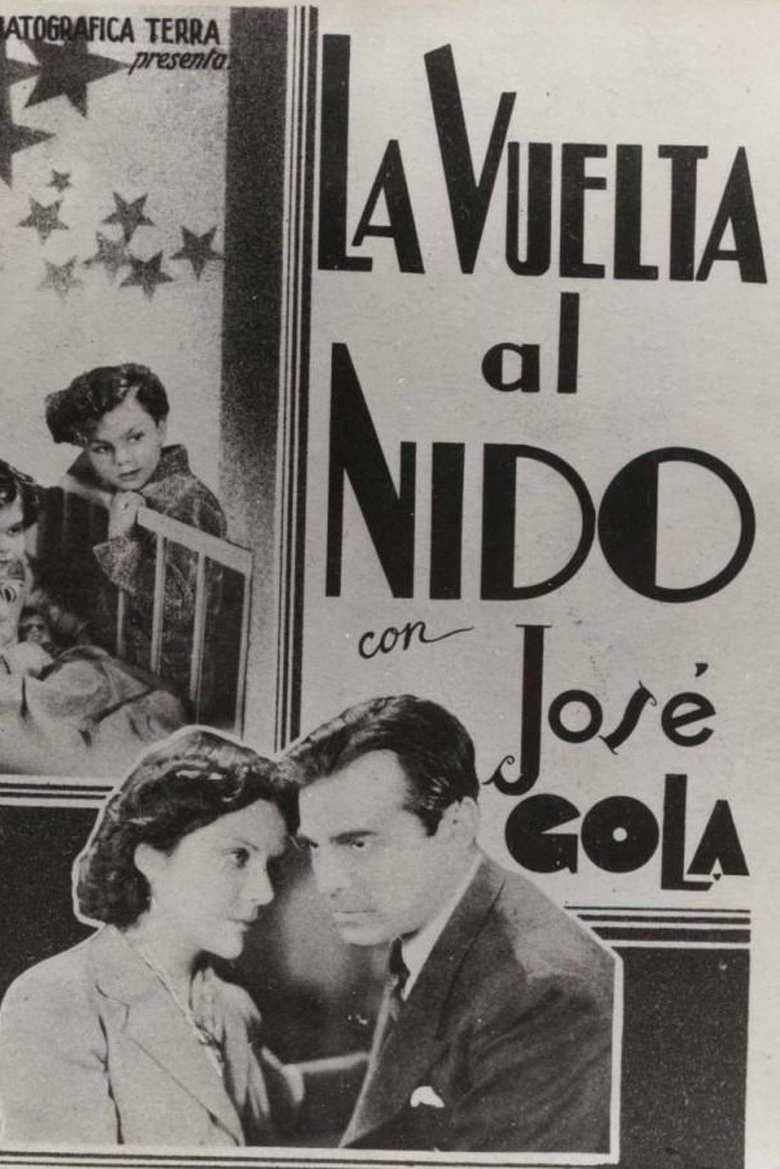
1938
Director
Leopoldo Torres Ríos
Runtime
87 minutes
Average Rating
No ratings yetSynopsis
Enrique, a gray office worker who lives a marriage already without passion begins to rethink his life when he receives an anonymous who says that his wife deceives him.
Overall Score
Limited
Category Breakdown
LGBTQ+ Representation
The narrative centers on traditional heteronormative structures. The plot focuses on marital infidelity and the dissolution of a domestic bond rather than non-cisnormative identities.
Gender Representation
The story prioritizes the male protagonist's internal crisis following a perceived betrayal. The portrayal of the wife as a deceptive figure suggests a reliance on traditional tropes regarding female agency.
Racial & Ethnic Diversity
The film reflects the demographic homogeneity of 1938 Spain. It focuses on a localized, likely ethnically homogeneous community without evidence of racial blending.
Religious & Cultural Diversity
The film engages with social isolation and interpersonal morality. It avoids singular religious morality in favor of a naturalist drama but lacks explicit institutional critiques.
Disability Representation
There is no discernible evidence regarding the inclusion of characters with physical or neurodivergent disabilities.
Strengths
Areas for Improvement
AI Analysis
La vuelta al nido is a naturalist drama that prioritizes humanistic social realities over progressive social restructuring. Produced in 1938, the film operates within the traditional social frameworks of its era, focusing on the psychological impact of interpersonal conflict. The narrative lacks intersectional depth, centering instead on the breakdown of a conventional marriage. While it explores the friction of domestic life, it does so through a lens of personal betrayal rather than a subversion of gender or social hierarchies. Ultimately, the film serves as a localized study of morality and social isolation. It reflects the demographic and cultural homogeneity of its historical Spanish context without attempting to deconstruct Western or institutional norms.
1952
1933
1933

1994

1952

1972
1950
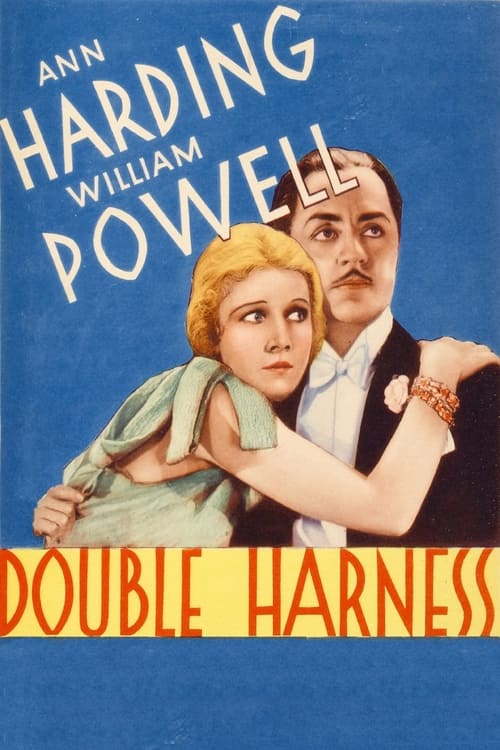
1933
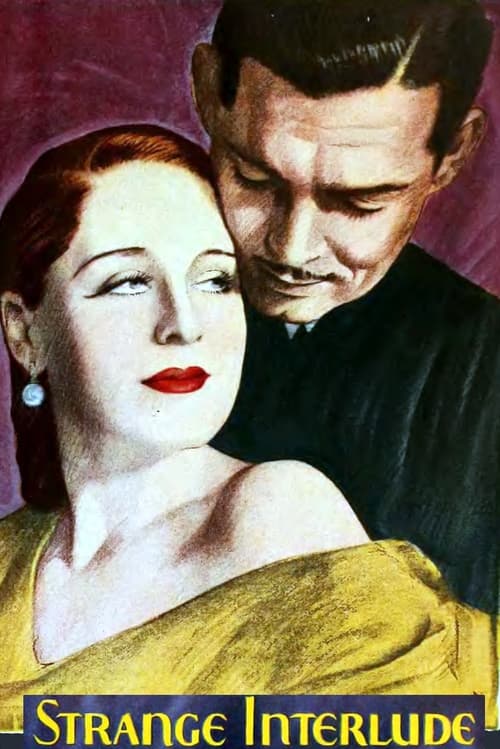
1932

1950
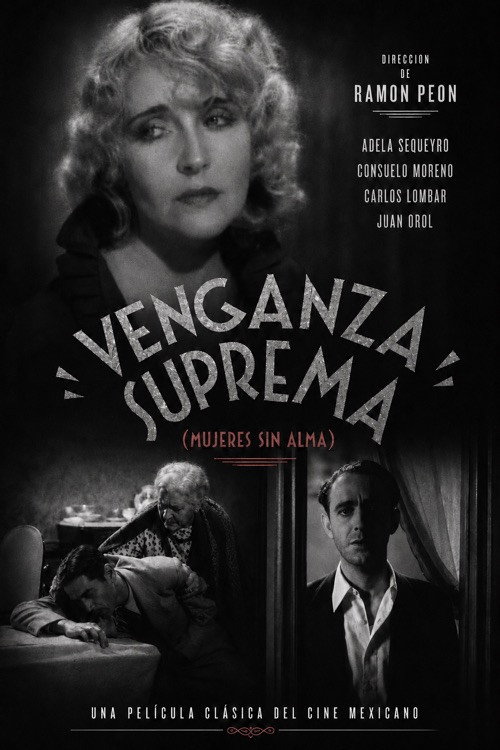
1934
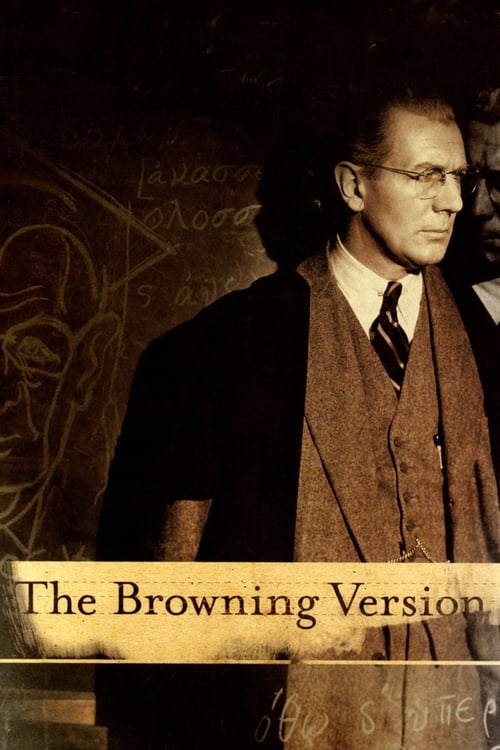
1951
No reviews yet. Be the first to share your thoughts on this movie!
Use the rating form above to leave a star rating and optional review.