
The Moment of Truth
1952
No user ratings available yet
Diversity score: 1.8 out of 10

1952
Director
Henri Decoin
Runtime
110 minutes
Average Rating
No ratings yetSynopsis
François Donge, a rich industrialist and womaniser, meets a girl nicknamed Bébé who he marries. Ten years later, poisoned by his wife and dying in hospital, he recalls his married life and understands how his wife who adored him suffered from his many affairs and indifference.
Overall Score
Limited
Category Breakdown
LGBTQ+ Representation
The film focuses on a heteronormative marital structure and male infidelity. There is no evidence of queer narratives or non-cisnormative identities within the plot.
Gender Representation
The story centers on a patriarchal dynamic where the male protagonist is a dominant industrialist. While Bébé shows agency through her vengeance, it remains a domestic tragedy.
Racial & Ethnic Diversity
Set within the French industrialist class of 1952, the film reflects a homogeneous Western European demographic. No racial blending or non-white casting is indicated.
Religious & Cultural Diversity
The narrative explores individual morality and personal retribution rather than critiquing Western institutions. It examines ethics within a traditional capitalist framework.
Disability Representation
The available information does not contain details regarding characters with visible or invisible disabilities.
Strengths
Areas for Improvement
AI Analysis
The film functions as a traditional mid-century character study centered on individual morality and domestic conflict. It adheres to the social hierarchies and gender paradigms of 1950s French cinema. While the narrative offers a psychological look at the toll of infidelity, it lacks intersectional complexity. The focus remains on personal failings and retribution rather than systemic critique. Ultimately, the work operates within established social norms, providing a conventional dramatic structure without intentional disruption of social or cultural hierarchies.
1952
1953
1957

1994

1956
1956
1933
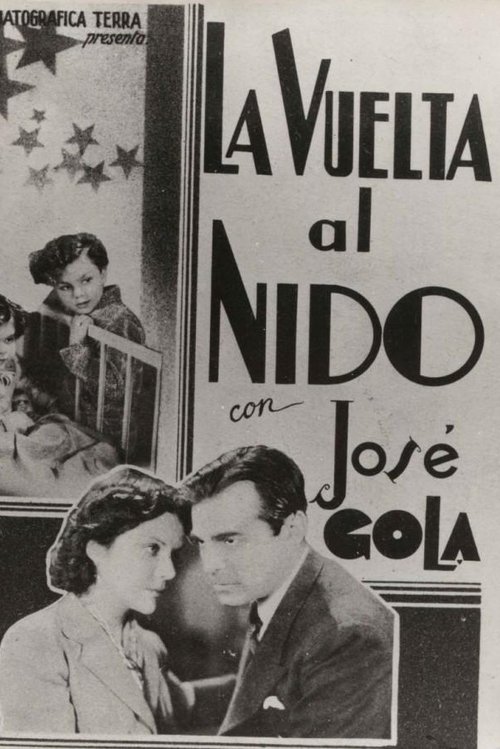
1938
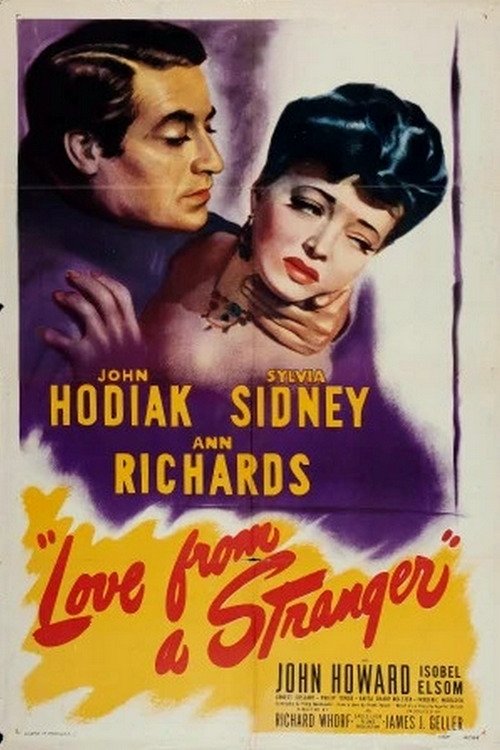
1947

1953
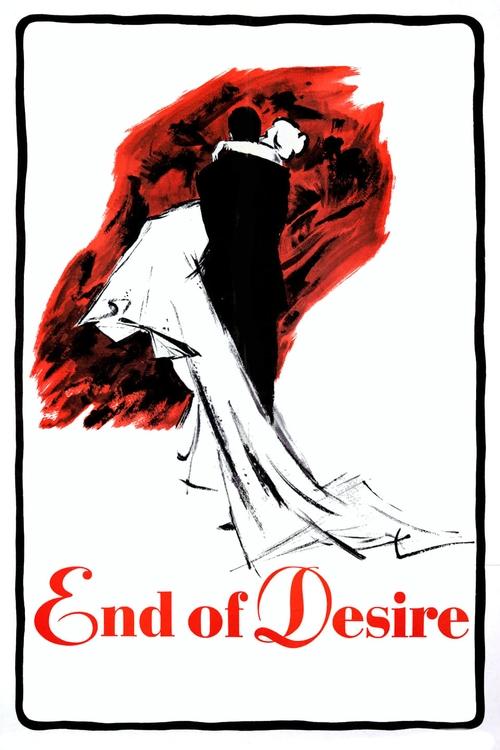
1958
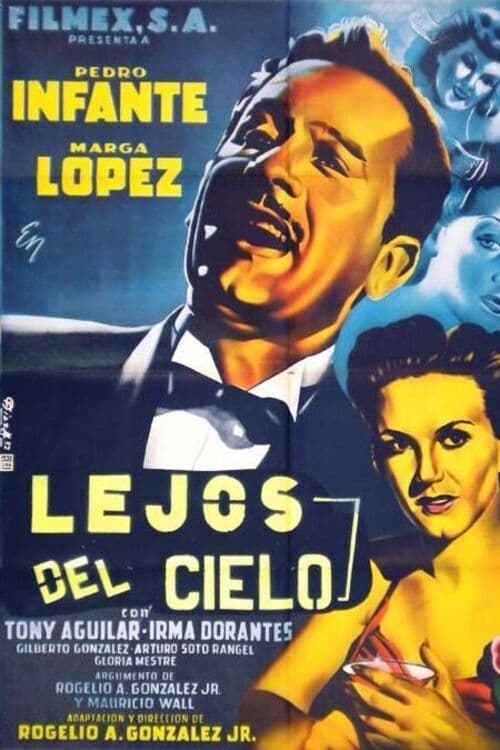
1952
No reviews yet. Be the first to share your thoughts on this movie!
Use the rating form above to leave a star rating and optional review.