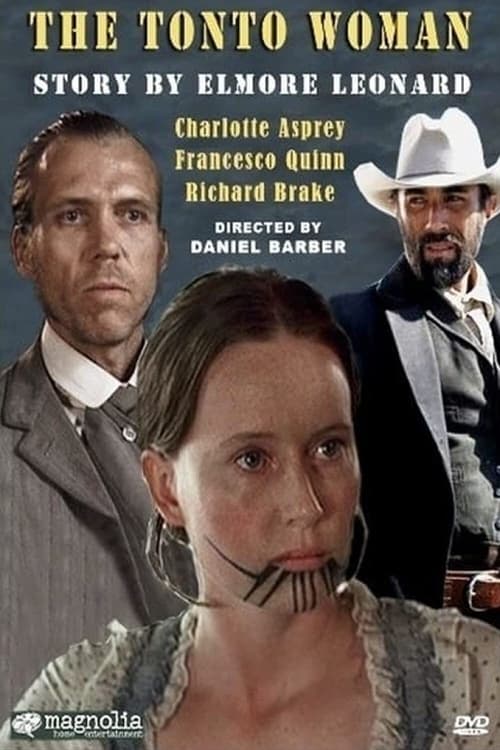
The Tonto Woman
2008
No user ratings available yet
Diversity score: 4.3 out of 10
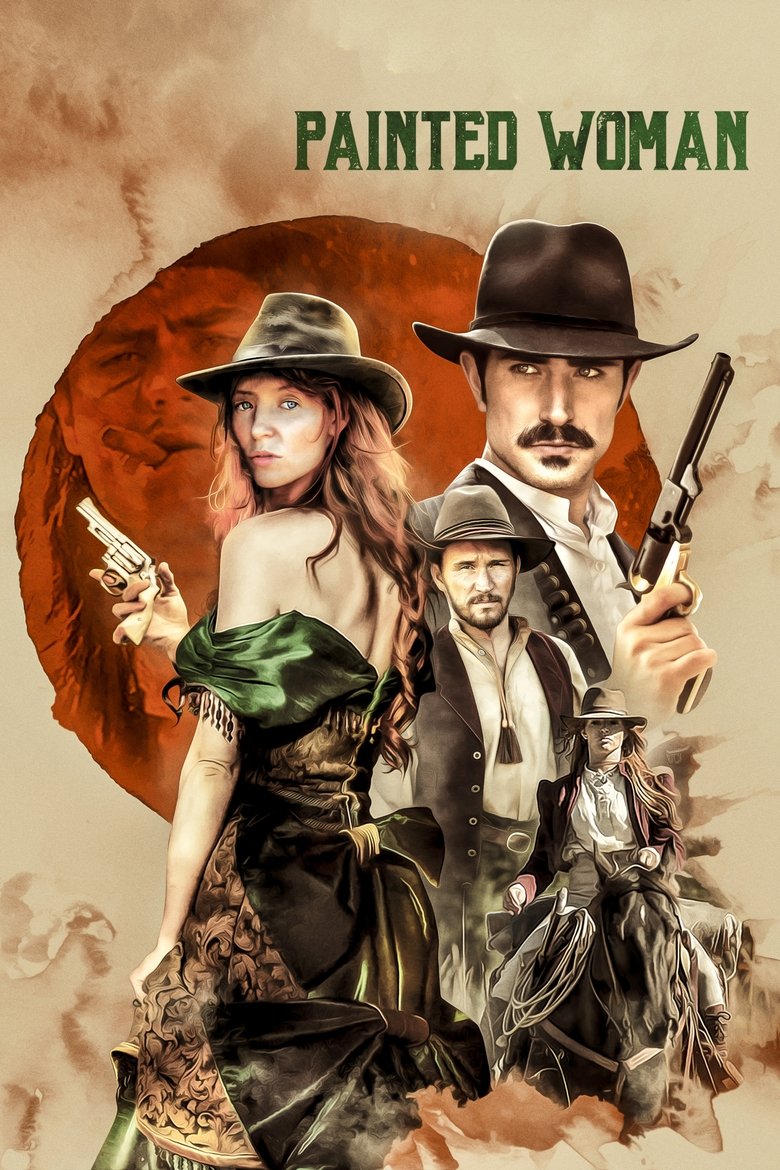
2017
GDirector
James Cotten
Runtime
108 minutes
Average Rating
No ratings yetSynopsis
Adapted from prolific western novelist Dusty Richard’s “Mustanger and the Lady,” 'Painted Woman' is the story of Julie Richards Julie is a woman of her time, passed from hand to hand in a web of abuse and prostitution, landing her at the feet of Kyle Allison. Allison, a wealthy powerbroker of the old west town of Goldfield, took young Julie into his home and made her his trophy. This life came with the gift of being taken care of and the cost of more abuse. As Julie’s time with Allison is coming to a dangerous close, Julie is given two chances of escape, with two very different men… The story of PAINTED WOMAN is two distinct chapters in Julie's life, with each chapter mirroring the other. Chapter one follows Julie meeting Frank. It is told mostly at night in the town of Goldfield. Chapter two follows the Mustanger. It takes place in the wilderness and is told mostly during the day.
Overall Score
Fair
Category Breakdown
LGBTQ+ Representation
The narrative focuses on the protagonist's interactions with various male figures. There is no explicit evidence of queer identities or non-heteronormative characters within the story.
Gender Representation
Julie Richards is a survivor navigating systemic abuse and patriarchal structures. Her arc from a male-owned 'trophy' toward self-determination challenges traditional Western gender roles.
Racial & Ethnic Diversity
The setting follows a standard Old West framework. Without specific evidence of diverse casting, the film appears to rely on traditional period-piece demographic norms.
Religious & Cultural Diversity
The film deconstructs frontier myths by portraying the Old West as a landscape of exploitation rather than romanticized heroism. It critiques power dynamics and unregulated authority.
Disability Representation
The story contains no mention of characters with physical, sensory, or neurodivergent disabilities.
Strengths
Areas for Improvement
AI Analysis
Painted Woman functions as a character-driven drama that centers female agency within a restrictive historical context. It successfully disrupts the 'heroic' Western trope by highlighting systemic exploitation and the struggle for bodily autonomy. However, the film lacks explicit intersectional markers. The narrative remains focused on a central woman's survival against male figures, leaving other dimensions of identity largely unaddressed. While the film offers a critique of historical power structures, its reliance on traditional Western archetypes and settings limits its broader diversity impact.
2008
1975
1968
1952
2018
1975
2010
1916
1976
2020
1922
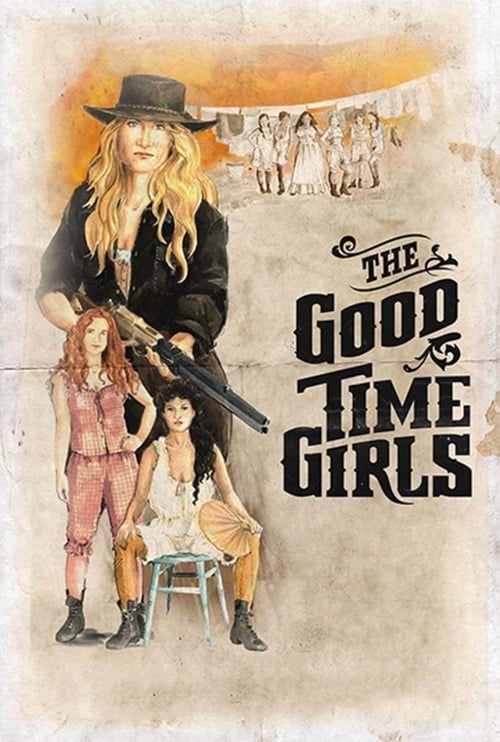
2017
No reviews yet. Be the first to share your thoughts on this movie!
Use the rating form above to leave a star rating and optional review.