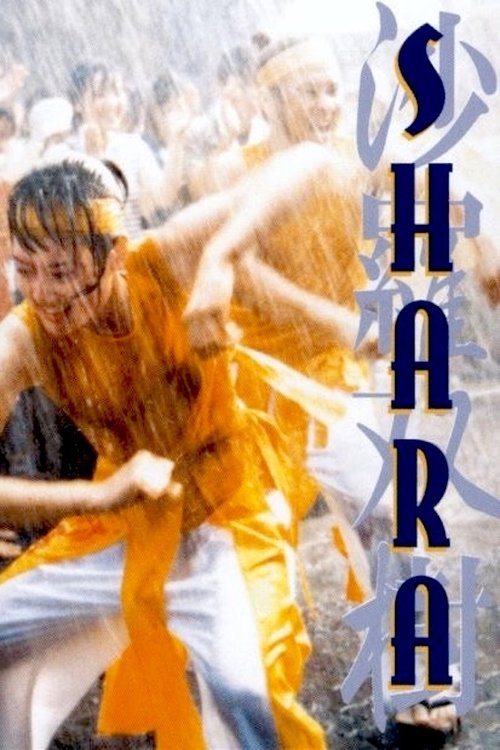
Shara
2003
No user ratings available yet
Representation score: 6.2 out of 10
Representation Score
Fair
1997
Director
Naomi Kawase
Runtime
95 minutes
Average Rating
No ratings yetNew Showbiz Analysis
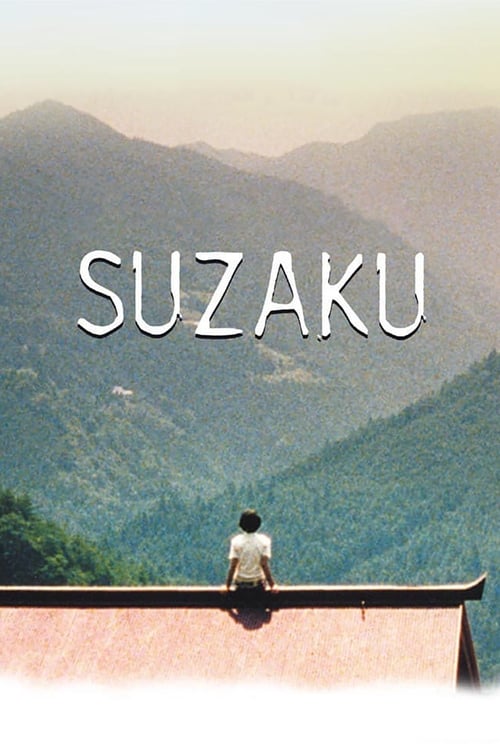
Suzaku is a naturalist exploration of domestic life that emphasizes sensory experience and the interplay between identity and the landscape. It succeeds in creating a deeply authentic cultural setting, grounded in a specific, localized Japanese environment. While the film effectively centers the female experience and emotional landscapes, it adheres to traditional narrative structures. It avoids exploring multi-layered identities or critiquing the assumption that everyone is straight or cisgender. The work serves as a contemplative study of human connection, capturing the struggles of a rural community against economic recession without delving into overt political critiques.
Category Breakdown
The film follows a traditional framework that assumes everyone is straight or cisgender. There are no explicit depictions of non-traditional gender identities or same-sex relationships.
The narrative elevates the female experience by focusing on domestic and emotional themes. It centers women’s experiences and emotions as the main drivers of the story.
The production showcases high cultural authenticity through a predominantly Japanese cast. The setting is deeply rooted in the specifics of a rural timber village.
The film provides a subtle critique of industrial encroachment on traditional life. However, it does not explicitly address broader ideological critiques.
There are no visible depictions of physical or neurodivergent disabilities. No characters are shown using disability as a plot device.
Present on Screen
Limited or Absent
Official Synopsis
Depicts the life of a family in a remote Japanese timber village. Family head Tahara Kozo lives with his mother Sachiko, wife Yasuyo, nephew Eisuke and young daughter Michiru. Economic recession and failed development plans cause tragedy in the family.
2003

1960
2008

1995
1952
2001
2007
1946
No reviews yet. Be the first to share your thoughts on this movie!
Use the rating form above to leave a star rating and optional review.