
Nanayo
2008
No user ratings available yet
Representation score: 5.4 out of 10
Representation Score
Excellent
2007
Not RatedDirector
Naomi Kawase
Runtime
98 minutes
Average Rating
No ratings yetNew Showbiz Analysis
Naomi Kawase’s film excels in its subversion of patriarchal hierarchies, placing spiritual and emotional ability to act firmly in the hands of women. This creates a meditative space where female introspection defines the narrative arc. However, the film remains culturally homogeneous and lacks explicit representation of LGBTQ+ identities or disabilities. It operates within a specific Japanese framework that prioritizes local authenticity over demographic breadth. Ultimately, the work is a progressive study of spiritual interconnectedness, succeeding through its rejection of traditional religious hierarchies and patriarchal storytelling.
Category Breakdown
The film does not explicitly depict LGBTQ+ identities or romantic relationships. Emotional connections between female characters are shown through shared grief rather than sexual orientation.
The narrative focuses entirely on female perspectives and ability to act. By emphasizing women's internal lives and spiritual authority, the film challenges traditional patriarchal structures.
The cast and setting are culturally homogeneous and Japanese. This reflects a specific local context rather than an effort to include diverse backgrounds.
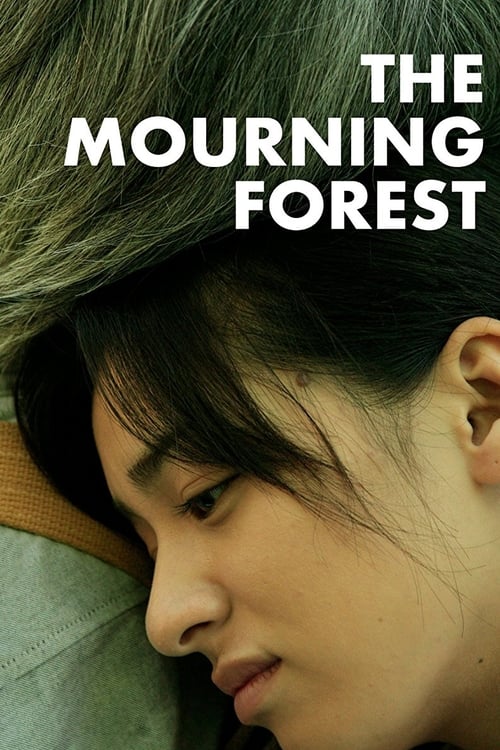
The film emphasizes animistic spirituality over organized religion. It portrays the forest as a sacred place, valuing nature-centric beliefs over structured religious practices.
There are no prominent physical or neurodivergent disabilities that drive the plot. Psychological states like grief are presented as universal experiences rather than specific disability narratives.
Present on Screen
Limited or Absent
Official Synopsis
A young woman working at a retirement home takes an elderly man living there on an excursion into the countryside, but the two wind up stranded in the titular forest.
2008
2014

2003

1995
1986
2016

2021

2010
No reviews yet. Be the first to share your thoughts on this movie!
Use the rating form above to leave a star rating and optional review.