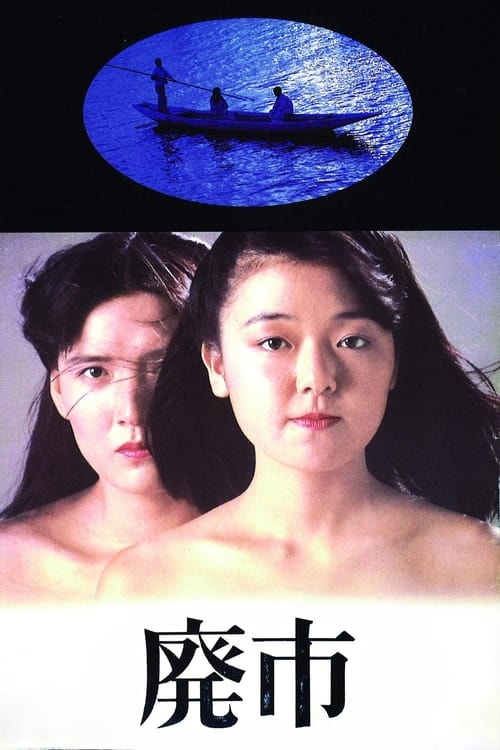
The Deserted City
1984
No user ratings available yet
Representation score: 4.3 out of 10
Representation Score
Limited
1968
Director
Nobuhiko Obayashi
Runtime
71 minutes
Average Rating
No ratings yetNew Showbiz Analysis
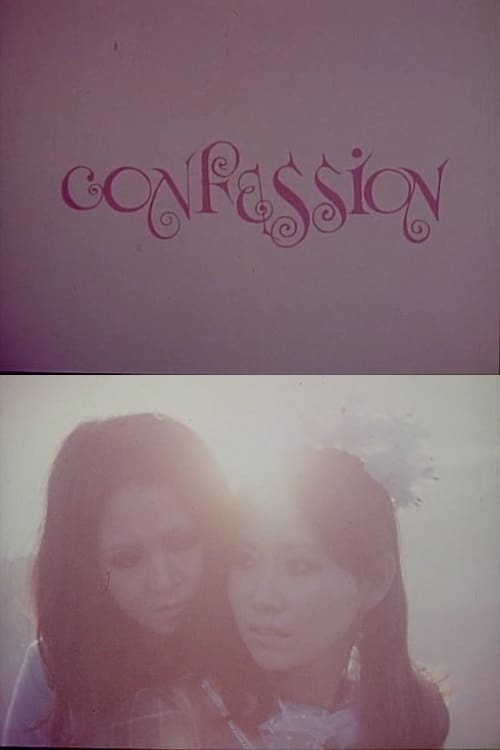
Confession is a reflective, meta-cinematic drama that emphasizes personal memory and the creative process over broader social commentary. Its narrative centers on a filmmaker's nostalgic reflections of his youth in Onomichi, limiting its scope for identity-driven subversion. The film serves as a localized, semi-autobiographical meditation. By focusing on temporal themes and the fluidity of memory, it lacks the necessary deconstruction of social hierarchies to achieve higher representation scores. Overall, the work aligns with traditional cinematic storytelling of its time, prioritizing personal truth over multi-layered advocacy or the disruption of established social structures.
Category Breakdown
The film does not include any characters with LGBTQ+ identities or queer narratives. It focuses on traditional familial and professional relationships.
The movie features a multi-generational domestic setting with family and crew members. However, it does not show women challenging traditional patriarchal hierarchies.
Set in Onomichi, the film operates within a culturally homogeneous framework. It does not use diverse casting to challenge Western-centric norms.
The story focuses on personal experiences and nostalgia. It does not explicitly critique organized religion or Western institutions.
There is no evidence of characters with physical or neurodivergent disabilities in the main storyline.
Present on Screen
Limited or Absent
Official Synopsis
A filmmaker recalls his youth in the town of Onomichi. In the present, he shoots a film in Onomichi alongside his cast, crew and family.
1984

1974
1986
1985
2018
1983
1973

1985
No reviews yet. Be the first to share your thoughts on this movie!
Use the rating form above to leave a star rating and optional review.