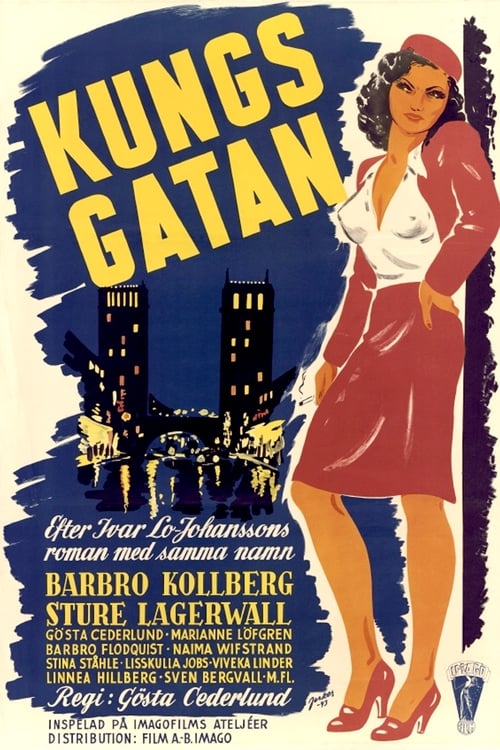
Kungsgatan
1943
No user ratings available yet
Diversity score: 2.6 out of 10

1927
Director
Alberto Cavalcanti
Runtime
92 minutes
Average Rating
No ratings yetSynopsis
The ill-fated romance of a brow-beaten seaport slum café waitress and a young man with a possessive mother, who dreams of going out to sea.
Overall Score
Fair
Category Breakdown
LGBTQ+ Representation
The film lacks any evidence of non-heteronormative identities. The central conflict follows a traditional romantic structure without queer themes.
Gender Representation
The narrative focuses on a brow-beaten waitress navigating a restrictive social hierarchy. This portrayal highlights female exhaustion and systemic pressure rather than idealized tropes.
Racial & Ethnic Diversity
Set in a seaport slum, the environment suggests a transient and diverse population. However, specific evidence of non-white characters is not explicitly confirmed.
Religious & Cultural Diversity
The film critiques domestic and economic structures through social realism. It prioritizes the struggles of the marginalized over the stability of traditional institutions.
Disability Representation
There is no documented evidence regarding the portrayal of physical or neurodivergent disabilities in this work.
Strengths
Areas for Improvement
AI Analysis
Alberto Cavalcanti’s work leans into poetic realism, focusing on the friction of the working class. The film avoids idealized social structures, instead centering on the crushing weight of socioeconomic hardship and domestic tension. While the film lacks modern markers of identity politics, it offers a naturalistic critique of social order. The focus on a marginalized protagonist in a seaport slum provides a foundation for social realism, even if specific intersectional casting remains unverified. Ultimately, the film's strength lies in its deconstruction of the nuclear family and the portrayal of systemic struggle, though it remains limited by a traditional romantic framework.
1943

1931

1916
1921

1925

1914
1944

1952

1920

1931

1931

1928
No reviews yet. Be the first to share your thoughts on this movie!
Use the rating form above to leave a star rating and optional review.