
Enoch Arden
1915
No user ratings available yet
Representation score: 0.4 out of 10
Representation Score
Limited
1921
Director
Louis Delluc
Runtime
43 minutes
Average Rating
No ratings yetNew Showbiz Analysis
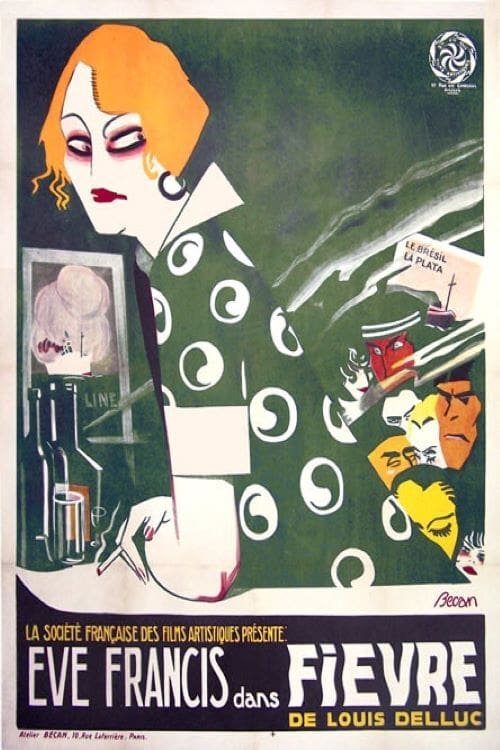
Louis Delluc’s *Fièvre* is a masterwork of French Impressionism that prioritizes psychological interiority over conventional plot. It disrupts the rigid moralism typical of silent cinema by exploring unstable human connections and unfulfilled desires. However, the film adheres to the social constraints of 1921, lacking explicit sociopolitical frameworks or multi-layered depth. It functions more as a study of individual sensation than a critique of identity or power structures. Ultimately, the film's strength lies in its visual lyricism and departure from linear storytelling, despite its limited representation of identity due to its era.
Category Breakdown
The film centers on heterosexual romance between the male lead and two women, without featuring any queer narratives or non-cisgender identities.
Women play key roles in driving the protagonist's emotional journey but are not shown as agents of systemic change or challenging traditional gender hierarchies.
The inclusion of an 'exotic' wife introduces diversity but does not specify her ethnic background or give her much ability to act within the story.
The film emphasizes personal desires and emotions rather than criticizing Western or capitalist institutions, focusing more on internal experiences.
A period of illness serves as a catalyst for the protagonist's marriage, but disability is not presented as a central identity or source of ability to act.
Present on Screen
Limited or Absent
Official Synopsis
Militis, a sailor, returns to a bar where he finds Sarah, the girl he once loved and is still attracted to. However, he is now married to an exotic woman who took care of him during an illness.
1915

1935

1928

1930

1931

1927

1926
1932
No reviews yet. Be the first to share your thoughts on this movie!
Use the rating form above to leave a star rating and optional review.