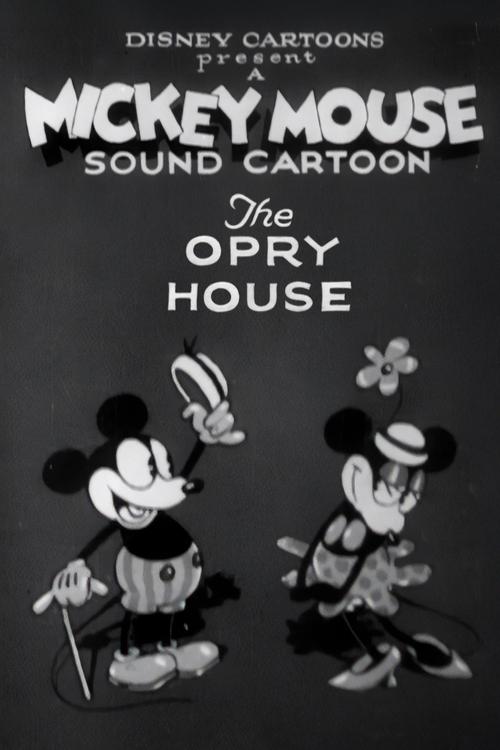
The Opry House
1929
No user ratings available yet
Representation score: 1.8 out of 10
Representation Score
Minimal
1930
PassedDirector
Rudolf Ising, Hugh Harman
Runtime
8 minutes
Average Rating
No ratings yetNew Showbiz Analysis
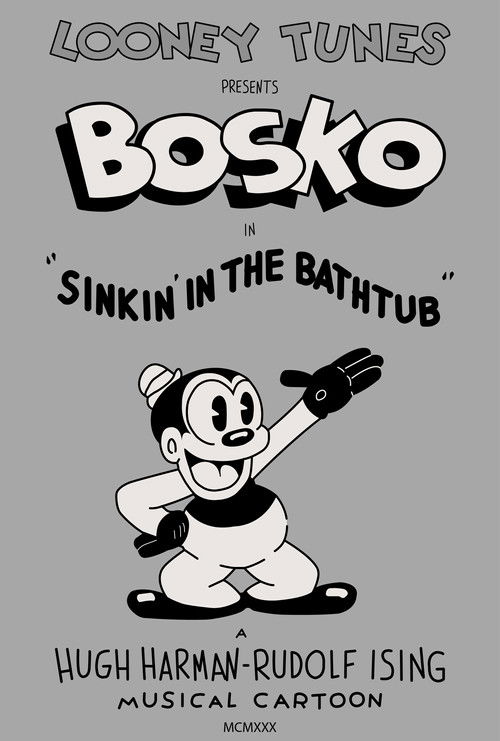
Sinkin' in the Bathtub is a product of early 1930s animation, emphasizing rhythmic gags and escapism over narrative depth. While it includes a Black protagonist in Bosko, the character is shaped by the caricatured visual language of the time. The film upholds traditional social hierarchies, with gender roles being conventional and female characters responding primarily to the male lead. There is no representation of LGBTQ+ identities or individuals with disabilities. Overall, the work serves as a foundational musical comedy, providing a baseline for racial inclusion but lacking the layered complexity and social critique seen in modern storytelling.
Category Breakdown
The film does not include any LGBTQ+ characters or narratives. The relationship between Bosko and Honey follows traditional romantic storylines typical of the era.
The film centers around a male lead and a female counterpart. Honey often reacts to Bosko's actions, following traditional gender roles.
Bosko is an early Black animated protagonist. However, his character design is influenced by the exaggerated visual style common in the 1930s.
The short focuses on slapstick and musical comedy, avoiding social commentary. It adheres to the entertainment norms of its time, steering clear of deeper cultural critiques.
The film does not feature any characters with visible or invisible disabilities. There is no representation of individuals with disabilities.
Present on Screen
Limited or Absent
Official Synopsis
The music-happy Bosko and Honey take a car ride, but bad luck briefly interrupts their fun.
1929
1932
1946
1934
1933
1931
1932
1929
No reviews yet. Be the first to share your thoughts on this movie!
Use the rating form above to leave a star rating and optional review.