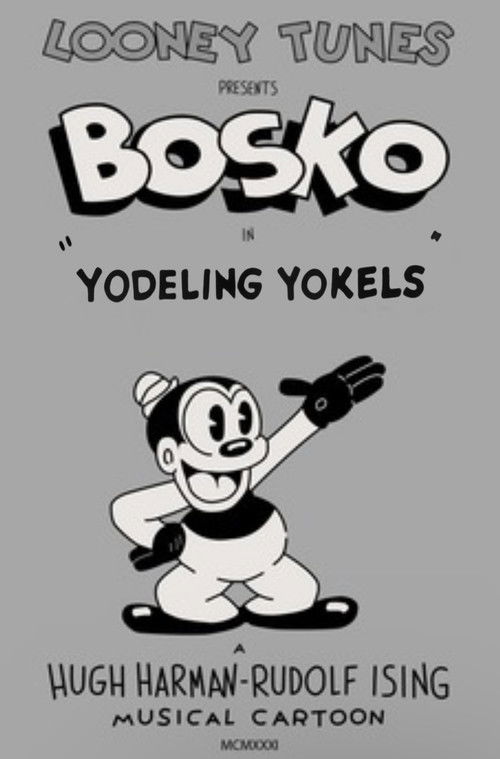
Yodeling Yokels
1931
No user ratings available yet
Representation score: 0.7 out of 10
Representation Score
Minimal
1931
Director
Rudolf Ising, Hugh Harman
Runtime
7 minutes
Average Rating
No ratings yetNew Showbiz Analysis
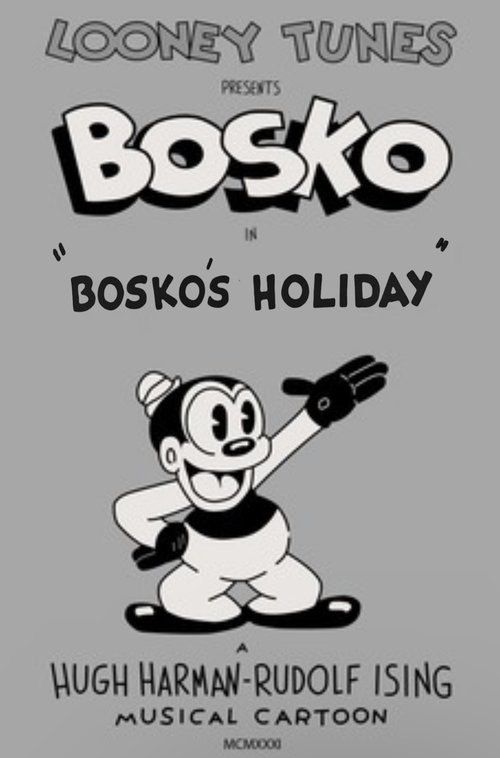
Bosko's Holiday is a quintessential product of the early 1930s studio system, prioritizing escapist entertainment over social complexity. While the film offers a baseline of racial visibility by centering a Black character, it does so through the lens of era-specific caricatures rather than nuanced depth. The narrative structure adheres to traditional gender hierarchies and straight-centered social archetypes, offering no subversion of the period's prevailing cultural norms. Ultimately, the film functions as a standard commercial product. It reinforces the stability of existing social structures rather than challenging them through systemic critique or diverse representation.
Category Breakdown
The film centers on a heterosexual relationship between Bosko and Honey. There are no depictions of same-sex relationships or non-binary identities.
Honey plays a significant but reactive role to Bosko. The dynamic reinforces traditional gender roles and conventional comedic stereotypes.
Bosko is featured as a Black protagonist in a leading role. However, his portrayal relies on the stylized, caricatured aesthetics typical of 1930s animation.
This musical comedy upholds traditional social structures and escapist views of leisure. It lacks any critique of Western institutions or moral relativism.
There are no visible or invisible disabilities portrayed who play a significant role in driving the story or as central plot devices in this short.
Present on Screen
Limited or Absent
Official Synopsis
Bosko and Honey go on a picnic that ends badly.
1931
1932
1932
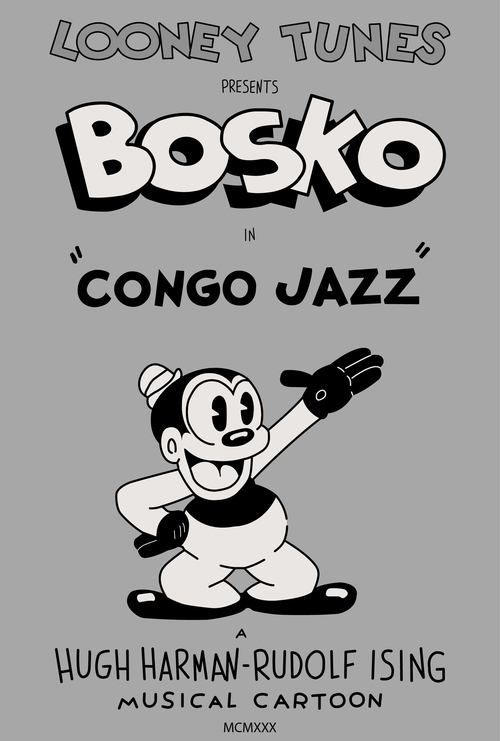
1930
1931
1932
1931
1931
No reviews yet. Be the first to share your thoughts on this movie!
Use the rating form above to leave a star rating and optional review.