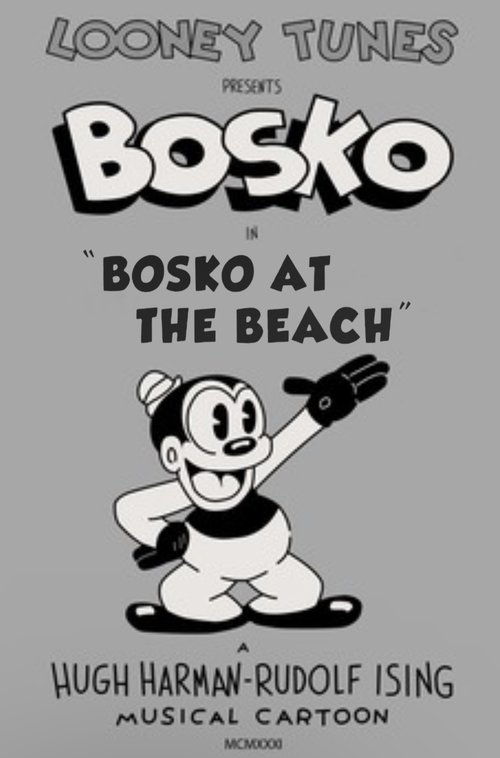
Bosko at the Beach
1932
No user ratings available yet
Representation score: 0.7 out of 10
Representation Score
Minimal
1932
Director
Hugh Harman
Runtime
7 minutes
Average Rating
No ratings yetNew Showbiz Analysis
Bosko the Drawback is a period-specific comedic short centered on a wacky game of professional football. While it features a Black lead—a notable occurrence for 1932—the film functions primarily through physical slapstick and kinetic energy. The narrative lacks complexity or critique of social systems. It follows the standard comedic clichés of the early sound era, prioritizing physical humor over nuanced character development or social commentary. Ultimately, the film reflects the limited social structure of its time, offering a baseline for racial inclusion while remaining tethered to traditional Western archetypes.
Category Breakdown
The film contains no evidence of non-straight-centered identities. The narrative focuses entirely on traditional athletic competition.
The film centers on a male protagonist within a typical 1930s sports comedy framework, relying on the gendered archetypes common to this era.
Bosko serves as an early example of a Black protagonist in mainstream animation. However, the era's reliance on caricatured visual languages limits the depth of this representation.
The story celebrates Western concepts of organized sport and competitive play, adhering to standard social structures rather than exploring diverse cultural perspectives.
There is no portrayal of neurodivergence or physical disability within the film's content.
Present on Screen
Limited or Absent
Official Synopsis
Bosko is the star player in a wacky game of professional football.
1932
1931
1932
1931
1932
1932
1932
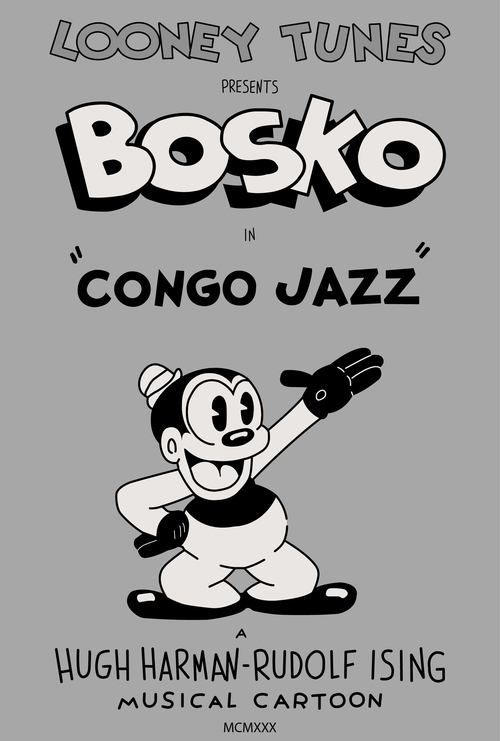
1930
No reviews yet. Be the first to share your thoughts on this movie!
Use the rating form above to leave a star rating and optional review.