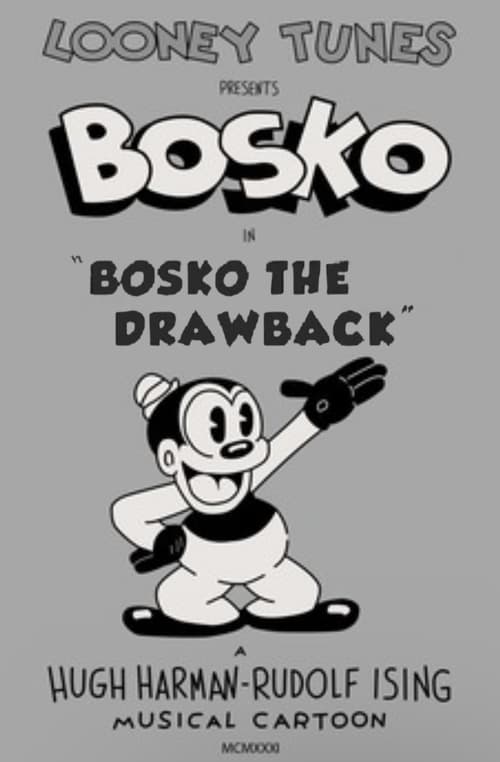
Bosko the Drawback
1932
No user ratings available yet
Diversity score: 2.1 out of 10

1932
Director
Hugh Harman
Runtime
7 minutes
Average Rating
No ratings yetSynopsis
Honey is trying to teach the violin to Wilbur, the one who hates music. Honey calls Bosko over. Bosko and Honey sing, dance, and play music while Wilbur continues to express its disdain.
Overall Score
Limited
Category Breakdown
LGBTQ+ Representation
The short focuses on a conventional romantic pairing between Bosko and Honey. No non-cisnormative identities or same-sex intimacy are depicted.
Gender Representation
Honey shows agency by initiating musical instruction, yet the film relies on standard period tropes. Characters serve primarily as vessels for slapstick comedy.
Racial & Ethnic Diversity
Bosko provides significant racial representation for 1932 as a Black protagonist with central agency. However, the depiction lacks nuanced intersectional depth.
Religious & Cultural Diversity
The narrative prioritizes escapist entertainment and traditional social cohesion. It lacks any critique of Western institutions or systemic structures.
Disability Representation
Characters are presented as able-bodied participants in a slapstick environment. No neurodivergence or physical impairments are addressed.
Strengths
Areas for Improvement
AI Analysis
Bosko's Dizzy Date is a product of its historical moment, utilizing character archetypes to facilitate rhythmic comedy. While it offers a baseline of racial representation through its Black protagonist, the narrative architecture remains firmly traditional. The film adheres to the social structures of the early 1930s, focusing on courtship and music rather than complex social critiques. This results in a work that upholds the status quo through lighthearted, escapist entertainment. Ultimately, the short lacks the complexity required to challenge established hierarchies, functioning instead as a standard piece of era-specific animation.
1932
1932
1932
1932
1931
1931
1932
1931
1932

1931
1930
1942
No reviews yet. Be the first to share your thoughts on this movie!
Use the rating form above to leave a star rating and optional review.