
Speaking of Buñuel
2000
No user ratings available yet
Diversity score: 7.4 out of 10
2008
Director
Javier Espada, Gaizka Urresti
Runtime
90 minutes
Average Rating
No ratings yetSynopsis
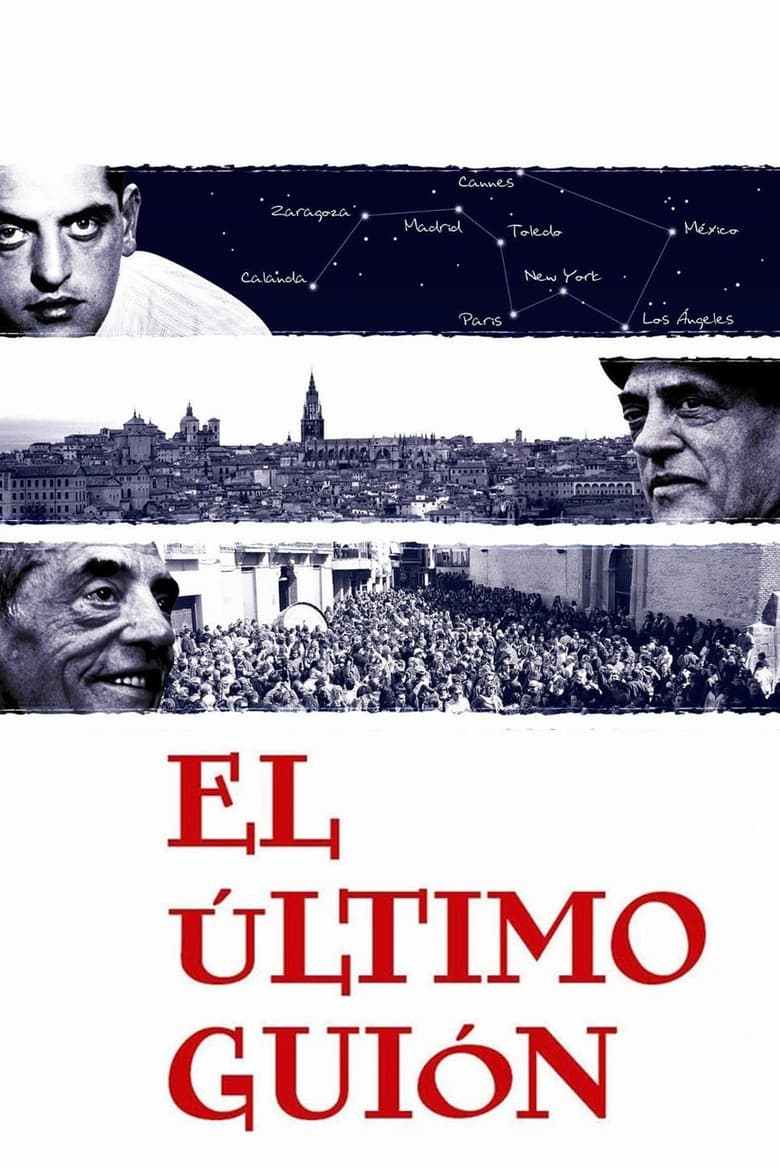
A loosely chronological visual “scrapbook” marking the 25th anniversary of the death of Luis Buñuel.
Overall Score
Good
Category Breakdown
LGBTQ+ Representation
The film centers on a filmmaker whose work is foundational to queer cinema. It engages with Buñuel's subversion of heteronormative structures and his use of dream logic to explore non-traditional desires.
Gender Representation
The documentary examines a director known for disrupting traditional gender hierarchies. It contributes to a discourse that deconstructs standard gender roles by portraying femininity as a site of psychological complexity.
Racial & Ethnic Diversity
The focus remains on a specific historical European figure, resulting in moderate representation. However, the film explores Buñuel's inherent anti-colonial and anti-imperialist subtexts through a visual scrapbook approach.
Religious & Cultural Diversity
The film scores highly by aligning with Buñuel's critique of Western institutions like the Church. Its structure mirrors a deconstruction of traditional narrative order and organized religion.
Disability Representation
There is no discernible evidence regarding the portrayal of physical or neurodivergent disabilities within this retrospective.
Strengths
Areas for Improvement
AI Analysis
This documentary serves as a scholarly tribute to Luis Buñuel, focusing on his legacy of disrupting social and institutional norms. While it is a retrospective rather than a contemporary narrative, it preserves the subversive spirit of its subject. The film's strength lies in its thematic engagement with the subversion of Western hierarchies and religious authority. By exploring Buñuel's filmography, it indirectly addresses queer cinema and the deconstruction of traditional gender roles. However, the documentary is limited by its historical focus on a European filmmaker. It lacks contemporary representation and provides no evidence of disability inclusion, making it more of a specialized historical study than a diverse modern narrative.
2000
1997

2022

2015
2016

2006

1986

1995
1994
1998
2023
2008
No reviews yet. Be the first to share your thoughts on this movie!
Use the rating form above to leave a star rating and optional review.