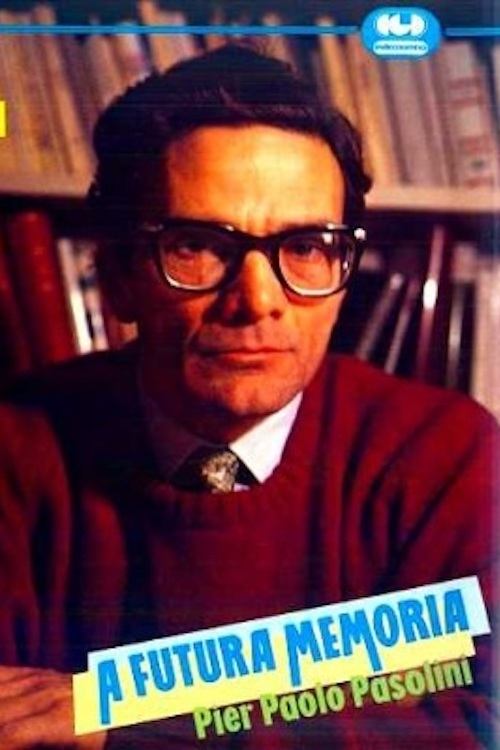
A futura memoria: Pier Paolo Pasolini
1985
No user ratings available yet
Representation score: 7.0 out of 10
Representation Score
Good
2008
Director
Giuseppe Bertolucci
Runtime
83 minutes
Average Rating
No ratings yetNew Showbiz Analysis
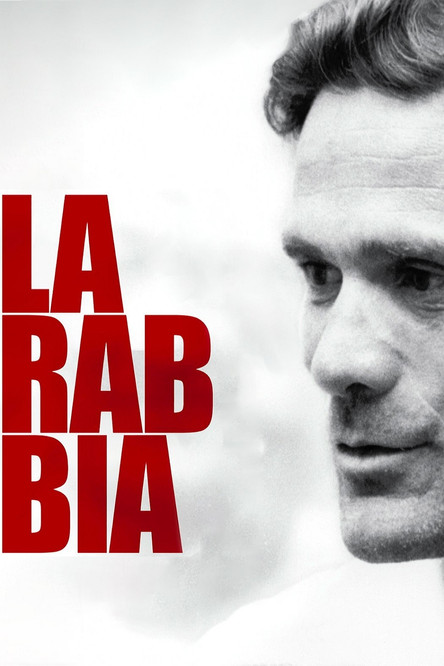
La Rabbia di Pasolini is a radical reconstruction that challenges established social hierarchies. It centers on queer eroticism and the experiences of underrepresented groups. The film's strength lies in its critique of Western consumerism and its impact on communal life, replacing Western-centric narratives with a focus on Mediterranean identity and the tension between primitive purity and modern corruption. However, the fragmented montage structure leads to inconsistent representation of ability to act for different groups, particularly in terms of gendered perspectives across the sourced clips.
Category Breakdown
The film focuses on queer subjectivity and non-straight relationships, elevating eroticism to a sacred level and challenging traditional views of sexuality.
It explores the tension between patriarchal structures and personal freedom. While it challenges the male gaze through vivid imagery, the fragmented structure affects how much control different groups have over their stories.
The film highlights the Mediterranean sub-proletariat, using non-professional actors from various backgrounds to show a wide range of human experiences. This approach moves away from Anglo-centric norms.
It critiques consumer capitalism and the breakdown of community structures. Religious symbols are used to explore the tension between the sacred and the secular.
There is no evidence within the film's thematic overview to address disability representation.
Present on Screen
Limited or Absent
Official Synopsis
An attempt to reconstruct the complete version of Pier Paolo Pasolini's segment of La rabbia.
1985
1965
2006
2003
2020
1981
2025
2013
No reviews yet. Be the first to share your thoughts on this movie!
Use the rating form above to leave a star rating and optional review.