
Almodóvar, l'insolent de la Mancha
2023
No user ratings available yet
Representation score: 6.9 out of 10
Representation Score
Good
2022
Director
Nathalie Labarthe
Runtime
53 minutes
Average Rating
No ratings yetNew Showbiz Analysis
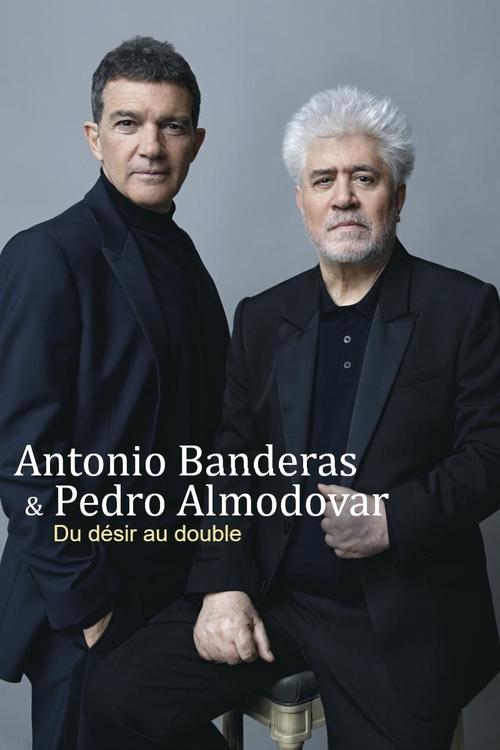
This documentary delves into the creative partnership between Pedro Almodóvar and Antonio Banderas. It goes beyond simply showing diverse characters, instead focusing on queer aesthetics and the intimate bond between the two men. The film successfully challenges traditional patriarchal norms by highlighting male vulnerability. It also offers a unique non-Anglo-Saxon perspective on global cinema. However, its focus on a specific Spanish cinematic legacy limits the diversity of racial and ethnic representation.
Category Breakdown
The film explores a long-lasting relationship between two men based on their deep connection and mutual passion. It highlights the importance of queer creative partnerships and challenges traditional ideas of masculinity.
The documentary looks at how Pedro Almodóvar breaks down traditional gender roles. It emphasizes the portrayal of male vulnerability and emotional depth, which goes against typical masculine stereotypes.
The representation focuses mainly on Mediterranean identities within Spanish cinema. It celebrates the contributions of non-Anglo-Saxon cultures to global cinema.
The narrative celebrates a modern Spanish worldview that values individual expression. It highlights a perspective that goes beyond strict religious or institutional norms.
There is no significant depiction of visible or invisible disabilities as a central part of the story.
Present on Screen
Limited or Absent
Official Synopsis
They knew each other, separated, found each other again. Immersion in archives in four decades of tumultuous relationship between the Spanish filmmaker and his favorite male performer.
2023

1999

2021
2008

2022
2008

2012

2018
No reviews yet. Be the first to share your thoughts on this movie!
Use the rating form above to leave a star rating and optional review.