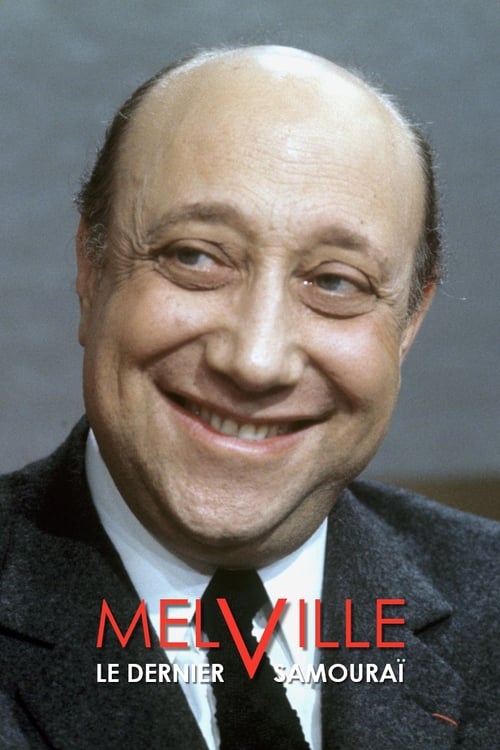
Melville, le dernier samouraï
2020
No user ratings available yet
Representation score: 3.3 out of 10
Representation Score
Good
2023
Director
Cyril Leuthy
Runtime
101 minutes
Average Rating
No ratings yetNew Showbiz Analysis
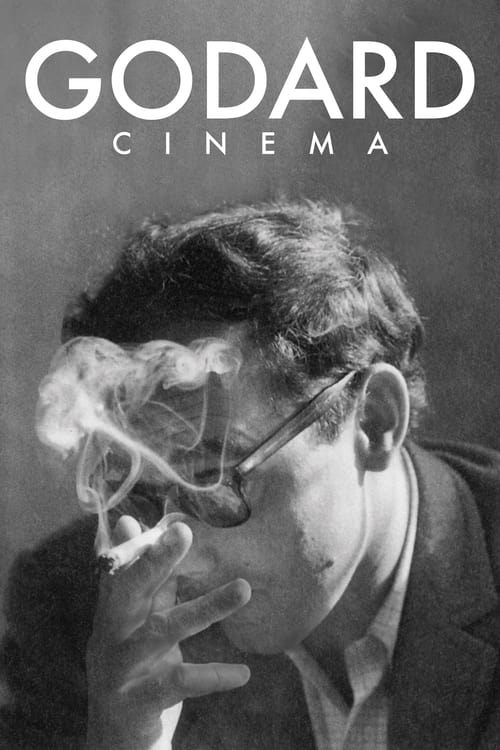
Godard Cinema serves as a retrospective of a filmmaker known for dismantling conventional storytelling and institutional norms. Its strength lies in aligning with anti-establishment and revolutionary perspectives. However, the film's diversity primarily derives from its subject's historical influence rather than contemporary representation. It lacks a focus on racial diversity or specific disability narratives. Ultimately, the score reflects a work that celebrates the disruption of traditional Western values through the lens of a single, influential cinematic figure.
Category Breakdown
The film touches on the underlying themes of Godard's revolutionary ideas and the societal changes of the mid-20th century. However, it doesn't focus much on modern LGBTQ issues.
The documentary highlights how Godard's work challenged traditional gender roles and disrupted rigid hierarchies of the mid-20th century. It mainly relies on archival footage of his films.
This biographical study centers on a French director and does not show significant engagement with racial diversity. While Godard addressed anti-colonial sentiments, the film remains a focused academic tribute.
The film honors a cinematic rebel who advocated for political activism and criticized Western institutions. It prioritizes narratives that dismantle traditional social orders and moralities.
There is no specific mention of the representation of physical or neurodivergent disabilities in this documentary.
Present on Screen
Limited or Absent
Official Synopsis
Jean-Luc Godard is synonymous with cinema. With the release of Breathless in 1960, he established himself overnight as a cinematic rebel and symbol for the era's progressive and anti-war youth. Sixty-two years and 140 films later, Godard is among the most renowned artists of all time, taught in every film school yet still shrouded in mystery. One of the founders of the French New Wave, political agitator, revolutionary misanthrope, film theorist and critic, the list of his descriptors goes on and on. Godard Cinema offers an opportunity for film lovers to look back at his career and the subjects and themes that obsessed him, while paying tribute to the ineffable essence of the most revered French director of all time.
2020
2008

2023
2016
2014
2006
2018
2014
No reviews yet. Be the first to share your thoughts on this movie!
Use the rating form above to leave a star rating and optional review.