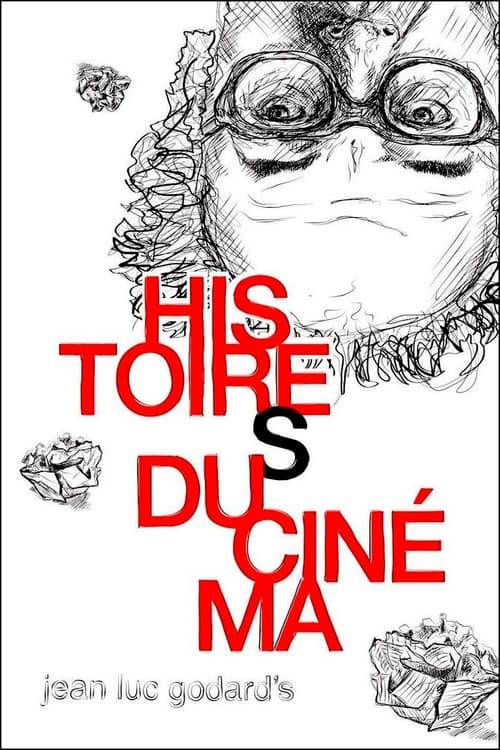
Histoire(s) du Cinéma 2a: Only Cinema
2006
No user ratings available yet
Representation score: 9.3 out of 10
Representation Score
Good
2006
Director
Jean-Luc Godard
Runtime
28 minutes
Average Rating
No ratings yetNew Showbiz Analysis
Godard’s documentary functions as a sophisticated intellectual rebellion against traditional cinematic structures. By using a montage of film fragments, the work challenges systemic hierarchies and the historical objectification of subjects. The film excels in its cultural and gendered critiques, moving away from passive depictions toward a more complex, fragmented exploration of identity. However, the reliance on archival collage limits the depth of racial and disability representation. The thematic nature of the imagery makes it difficult to find specific, character-driven roles for underrepresented groups.
Category Breakdown
The film uses archival footage to explore desire and identity. It challenges traditional assumptions about sexuality by deconstructing the male gaze and highlighting alternative expressions of intimacy.
Godard challenges traditional hierarchies by portraying femininity as a site of active involvement rather than passive objectification. The work critiques the historical objectification of women through fragmented imagery.
The collage includes diverse visual textures but lacks character-driven representation. The film touches on the colonial gaze and Western-centric film history through its fragmented structure.
The film rejects singular historical truths in favor of a multi-perspectival approach. It prioritizes intellectual deconstruction over the promotion of nationalistic or religious morality.
There is insufficient evidence to assess the representation of physical or neurodivergent disabilities within this montage-based video essay.
Present on Screen
Limited or Absent
Official Synopsis
A very personal look at the history of cinema directed, written and edited by Jean-Luc Godard in his Swiss residence in Rolle for ten years (1988-98); a monumental collage, constructed from film fragments, texts and quotations, photos and paintings, music and sound, and diverse readings; a critical, beautiful and melancholic vision of cinematographic art.
2006
2008
1989
1983
1989
2004
2006
2006
No reviews yet. Be the first to share your thoughts on this movie!
Use the rating form above to leave a star rating and optional review.