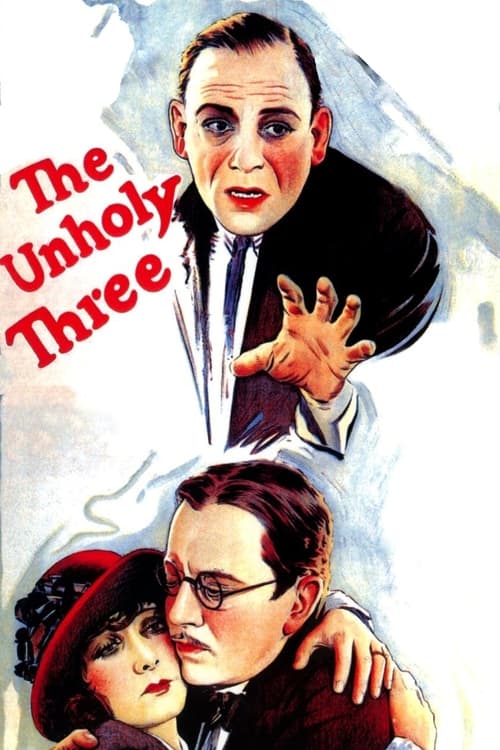
The Unholy Three
1925
No user ratings available yet
Representation score: 3.1 out of 10
Representation Score
Limited
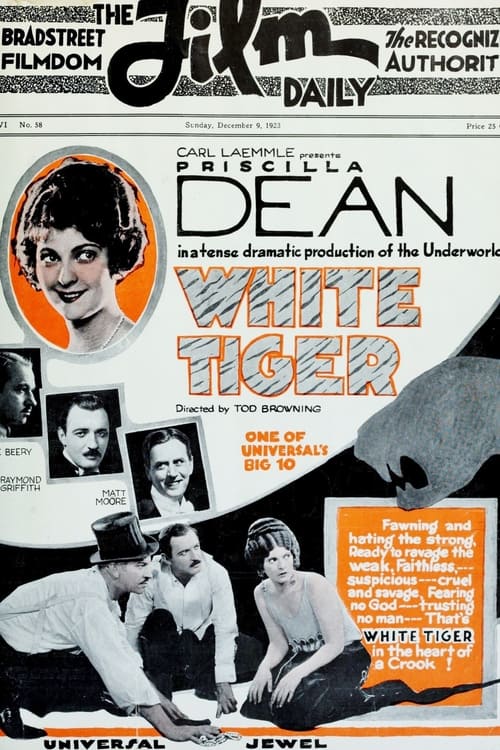
1923
PassedDirector
Tod Browning
Runtime
83 minutes
Average Rating
No ratings yetNew Showbiz Analysis
White Tiger is a typical silent-era crime melodrama, driven by male-centric conflicts and traditional social hierarchies. While the film lacks racial and gender diversity, it touches on the lives of outsiders. Lon Chaney's role potentially allows for nuanced portrayals of physical differences, despite the plot being rooted in conventional storylines. Ultimately, the film reflects the homogeneous standards of early 1920s American cinema, emphasizing crime and distrust over broader social representation.
Category Breakdown
The film does not depict any non-straight identities or same-sex relationships. The plot revolves around the distrust between male characters.
The story centers on a male-dominated criminal world. There is little evidence of women taking active roles or challenging traditional gender roles.
The cast is mostly made up of white actors, reflecting the norms of 1923 cinema. No non-white characters are shown in key roles.
The film focuses on a criminal subculture without addressing broader social issues. It follows traditional story structures centered on individual flaws.
Lon Chaney’s presence suggests a focus on characters existing on the margins of physical normality. The circus setting emphasizes the spectacle of the body.
Present on Screen
Limited or Absent
Official Synopsis
Three crooks pull off a magnificent crime. As they're forced to hide out together they slowly begin to distrust each other.
1925
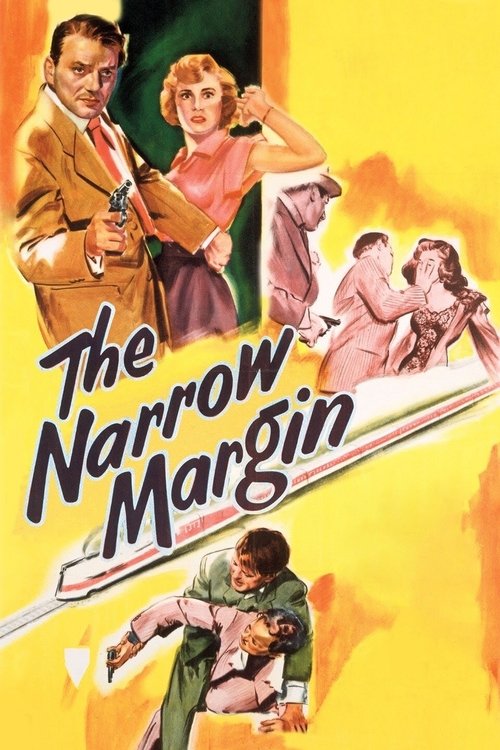
1952
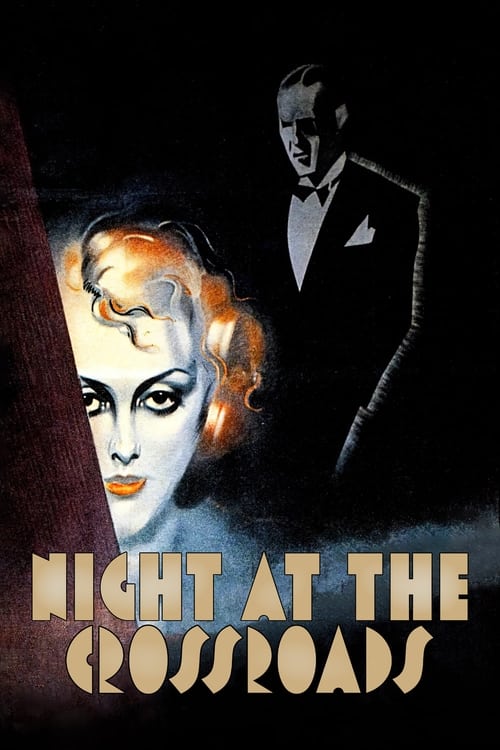
1932
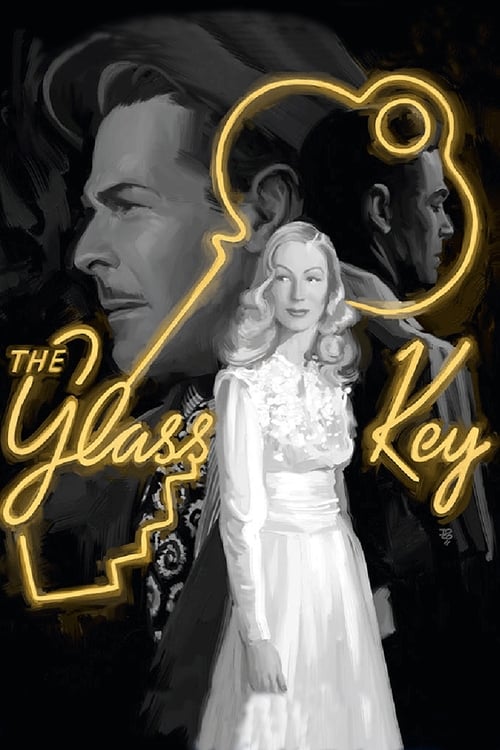
1942
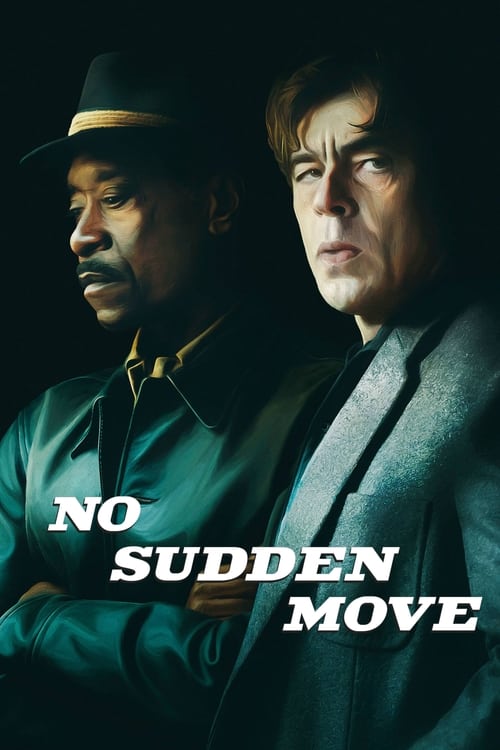
2021
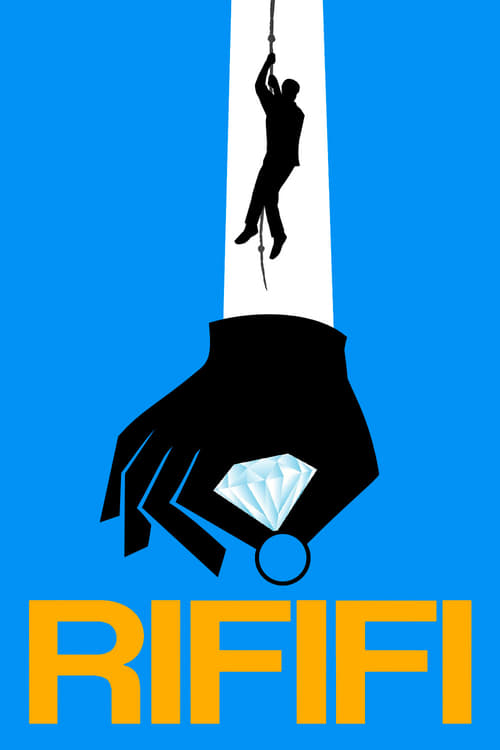
1955
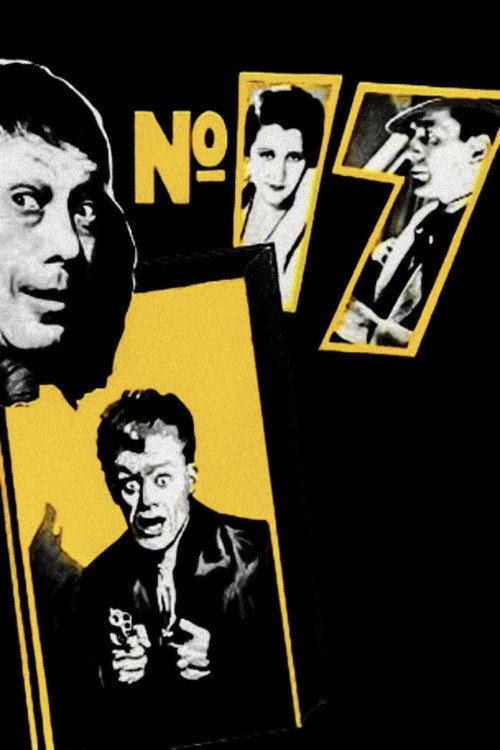
1932
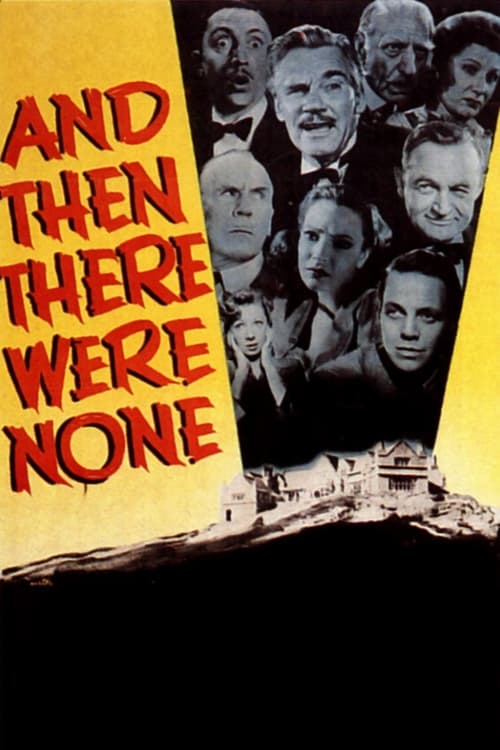
1945
No reviews yet. Be the first to share your thoughts on this movie!
Use the rating form above to leave a star rating and optional review.