The Last Ride
1944
No user ratings available yet
Representation score: 1.3 out of 10
Representation Score
Limited
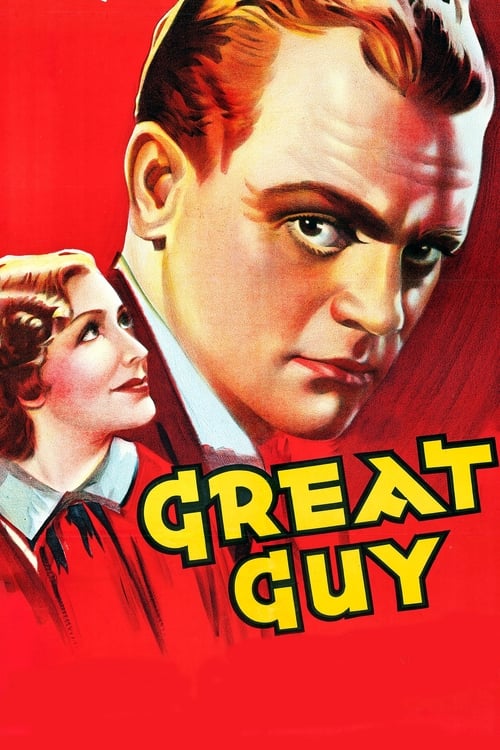
1936
NRDirector
John G. Blystone
Runtime
66 minutes
Average Rating
No ratings yetNew Showbiz Analysis
Great Guy is a product of the 1930s studio era, functioning as a traditional crime drama. The narrative follows a standard hero-versus-corruption framework that prioritizes individual morality and the preservation of social order. The film reinforces established social and professional hierarchies rather than challenging them. It focuses on a masculine professional role to drive the plot, reflecting the era's conventional storytelling structures. Ultimately, the film serves as a snapshot of mid-1930s cinematic norms, emphasizing law, order, and traditional Western values of civic responsibility.
Category Breakdown
The film does not include any LGBTQ+ characters or narratives that challenge the assumption that everyone is straight or cisgender. It adheres to the strict social and censorship standards typical of 1936 cinema.
The plot centers on a male protagonist who drives the story through his professional role. Female characters appear to occupy traditional supportive or romantic roles without challenging gender hierarchies.
The production likely reflects the homogeneous casting practices of the 1930s. The narrative appears to center on a predominantly white cast consistent with industry norms.
The story reinforces traditional values regarding civic duty and professional ethics. It emphasizes moral clarity and the restoration of institutional integrity through a hero fighting corruption.
There is no evidence of characters with visible or invisible disabilities within the narrative.
Present on Screen
Limited or Absent
Official Synopsis
A meat inspector sets out to rid his town of payoff deals affecting the quality of meat being sold to the public.
1944
1942
1931
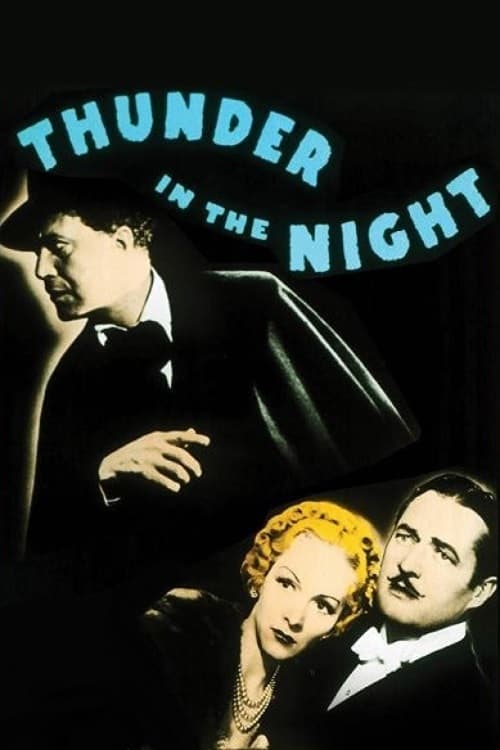
1935
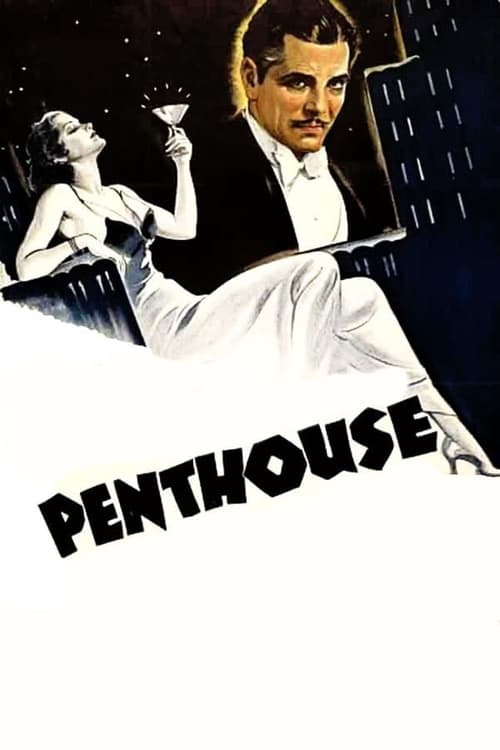
1933
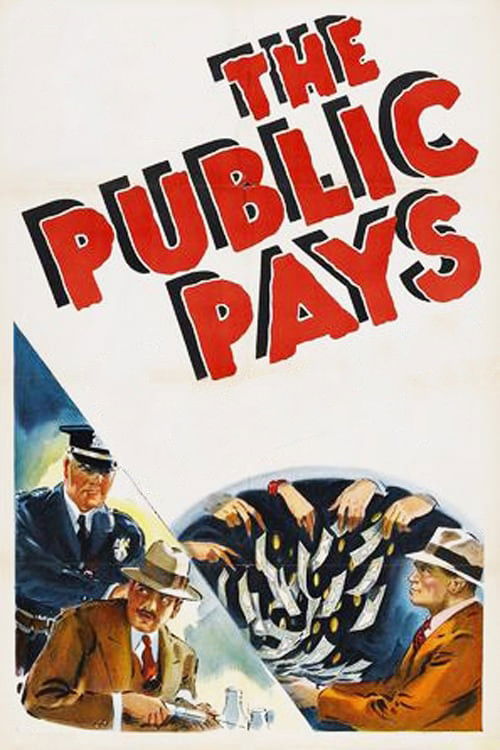
1936

1938

1945
No reviews yet. Be the first to share your thoughts on this movie!
Use the rating form above to leave a star rating and optional review.