Phoenix
1998
No user ratings available yet
Representation score: 1.8 out of 10
Representation Score
Minimal
1950
NRDirector
William Dieterle
Runtime
98 minutes
Average Rating
No ratings yetNew Showbiz Analysis
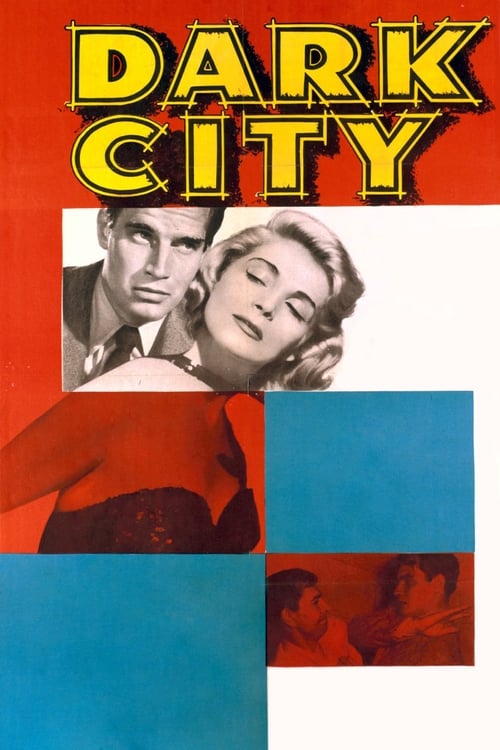
Dark City is a traditional mid-century crime drama that reinforces established social and gender hierarchies. The narrative follows standard noir clichés, focusing on a male protagonist navigating a criminal underworld without challenging the status quo. The film lacks complexity in its portrayal of multiple aspects of identity, presenting a demographic profile that aligns with the mainstream cinematic norms of 1950s Hollywood. It functions as a period-typical thriller rather than a work of social subversion. Overall, the film's lack of diverse representation and its adherence to conventional thematic structures result in a low diversity score.
Category Breakdown
The film adheres to the standard social structures of the 1950s and does not include any LGBTQ+ characters or narratives that question traditional gender roles.
The male protagonist, Dana Andrews, holds the main ability to act in the story. Female characters are limited to traditional roles and do not have the power to drive the primary plot.
The production reflects the era's social constraints with a relatively homogeneous cast. There is no evidence of non-white or non-Anglo-Saxon majority casting.
The story focuses on individual struggles within legal and criminal systems. It lacks an explicit critique of Western institutions like religion or capitalism.
There are no characters with disabilities central to the narrative. The film does not meaningfully represent neurodivergence or physical impairment.
Present on Screen
Limited or Absent
Official Synopsis
Gamblers who "took" an out-of-town sucker in a crooked poker game feel shadowy vengeance closing in on them.
1998
1950
1947

1960
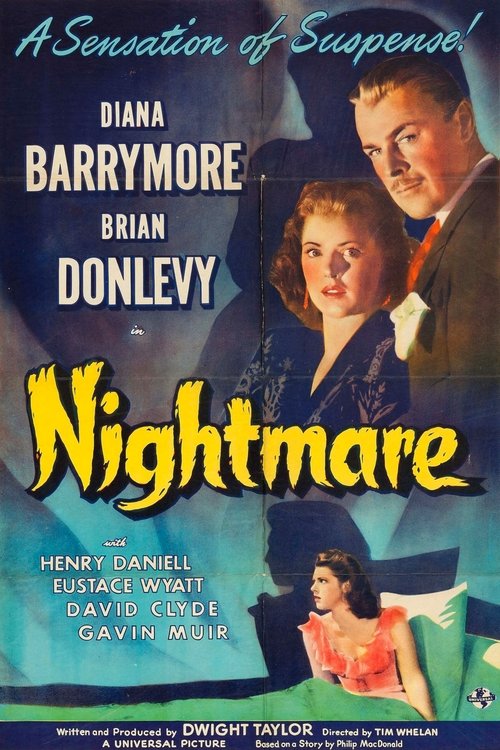
1942
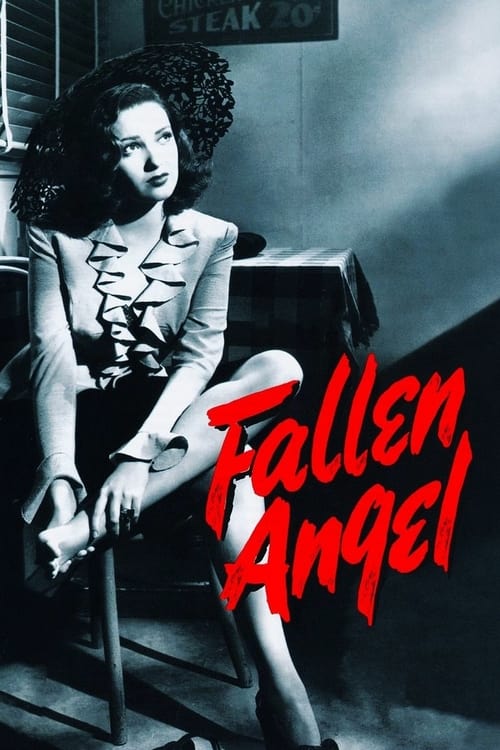
1945
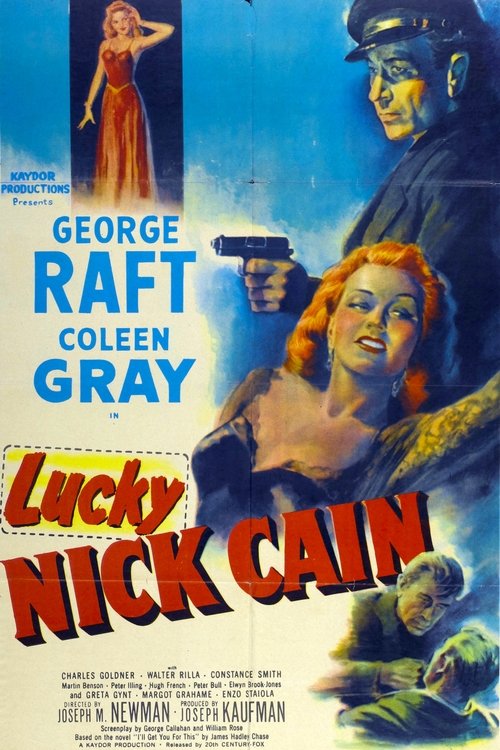
1951

1956
No reviews yet. Be the first to share your thoughts on this movie!
Use the rating form above to leave a star rating and optional review.