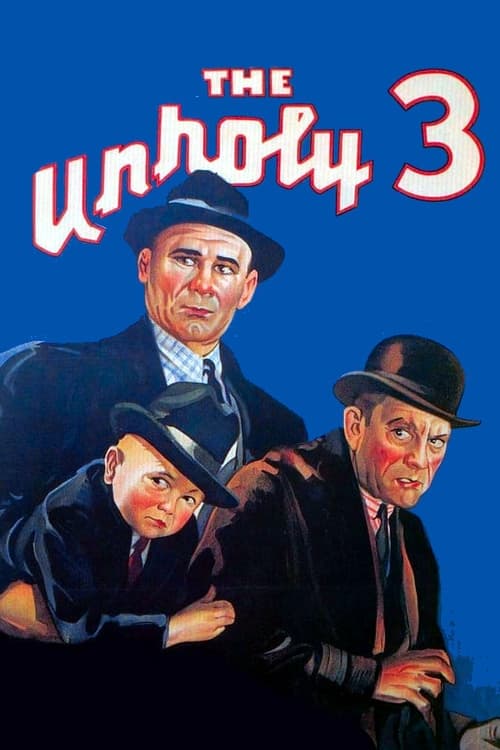
The Unholy Three
1930
No user ratings available yet
Representation score: 4.0 out of 10
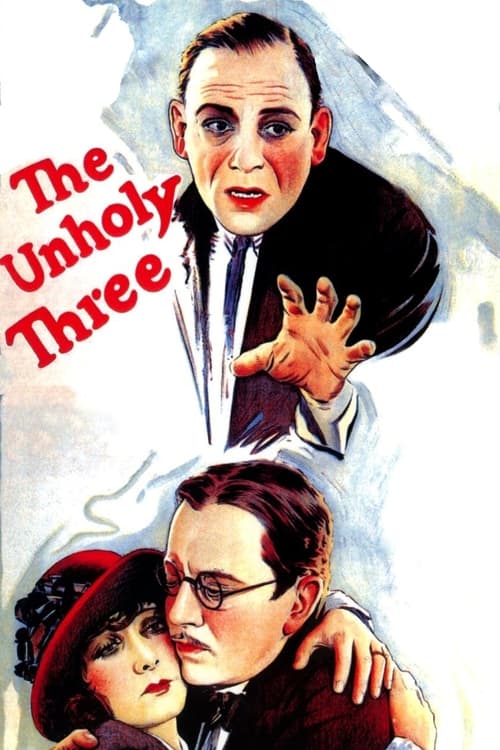
Representation Score
Limited
1925
NRDirector
Tod Browning
Runtime
86 minutes
Average Rating
No ratings yetNew Showbiz Analysis
Tod Browning’s crime melodrama centers on a trio of sideshow performers involved in a criminal conspiracy. While the film provides ability to act to characters with physical differences, it does so within a rigid, traditional framework that lacks depth in representing multiple aspects of identity. The narrative reinforces 1920s social hierarchies, particularly regarding gender and race. Women serve as plot devices rather than fully developed characters, and the cast lacks ethnic diversity, mirroring the era's cinematic limitations. Ultimately, the film offers a glimpse into a specific working-class subculture but fails to challenge broader societal structures or provide more inclusive representation.
Category Breakdown
The film focuses entirely on the fraternal criminal bond between three men and does not depict any non-straight or non-cisgender identities or same-sex intimacy.
The main roles and control over the plot are held by male characters, while women are used mainly as plot devices rather than as independent actors.
The cast is racially uniform, reflecting the production standards of 1925, and the narrative does not engage with diverse ethnic backgrounds or identities.
The story explores the subculture of traveling performers and their working-class social stratum, but it treats their crimes as individual moral failings rather than systemic issues.
Characters with physical differences, such as a midget performer, are central to the plot, but their depiction remains tied to era-specific sideshow clichés rather than modern advocacy.
Present on Screen
Limited or Absent
Official Synopsis
Three sideshow performers form a conspiracy known as "The Unholy Three" - a ventriloquist, midget, and strongman working together to commit a series of robberies.
1930
1927

1951
1923
1925
1925
1931
1926
No reviews yet. Be the first to share your thoughts on this movie!
Use the rating form above to leave a star rating and optional review.