Dangerous to Know
1938
No user ratings available yet
Representation score: 2.5 out of 10
Representation Score
Limited
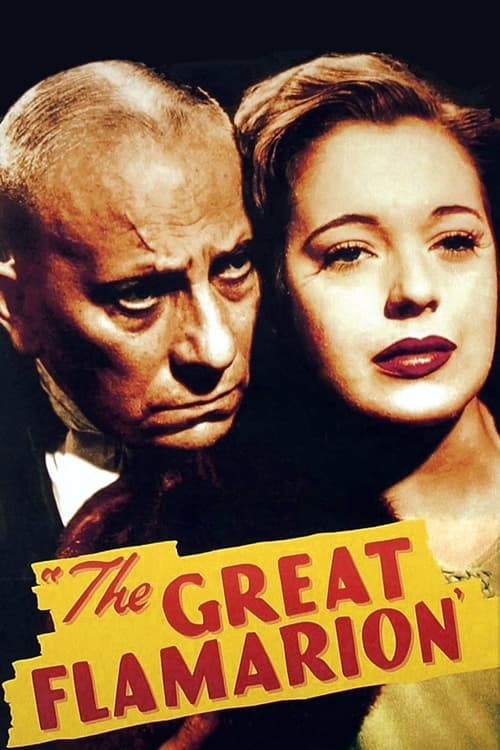
1945
NRDirector
Anthony Mann
Runtime
78 minutes
Average Rating
No ratings yetNew Showbiz Analysis
The Great Flamarion serves as a character study that challenges the era's gendered power dynamics. By positioning a female performer as a manipulative force, the film grants her a level of ability to act rarely seen in traditional domestic dramas of the 1940s. However, the film is limited by the systemic casting norms of its time. It lacks representation for LGBTQ+ identities, racial diversity, and disability, functioning primarily as a standard noir genre piece. While the protagonist's moral ambiguity provides some cultural depth, the film remains a product of a homogeneous studio system.
Category Breakdown
The film does not include any characters with LGBTQ+ identities or queer narratives. The plot revolves around the protagonist's interactions with men.
The narrative centers on an unscrupulous female performer who drives the story through calculated manipulation, challenging mid-century gender stereotypes. She is not portrayed as passive or domestic.
Reflecting the casting standards of 1945, the film appears to lack racial diversity. There is no indication of a non-Anglo-Saxon majority cast within the narrative.
The story explores moral relativism through its central, deceptive protagonist. While it avoids didacticism, it remains firmly rooted in traditional crime and mystery genre conventions.
There is no information regarding the inclusion of characters with physical or neurodivergent disabilities in this production.
Present on Screen
Limited or Absent
Official Synopsis
A beautiful but unscrupulous female performer manipulates all the men in her life in order to achieve her aims.
1938
1944
1947
1947
1938
1944
1942
1945
No reviews yet. Be the first to share your thoughts on this movie!
Use the rating form above to leave a star rating and optional review.