The Fat Man
1951
No user ratings available yet
Diversity score: 2.1 out of 10
1921
NRDirector
Wallace Worsley
Runtime
75 minutes
Average Rating
No ratings yetSynopsis
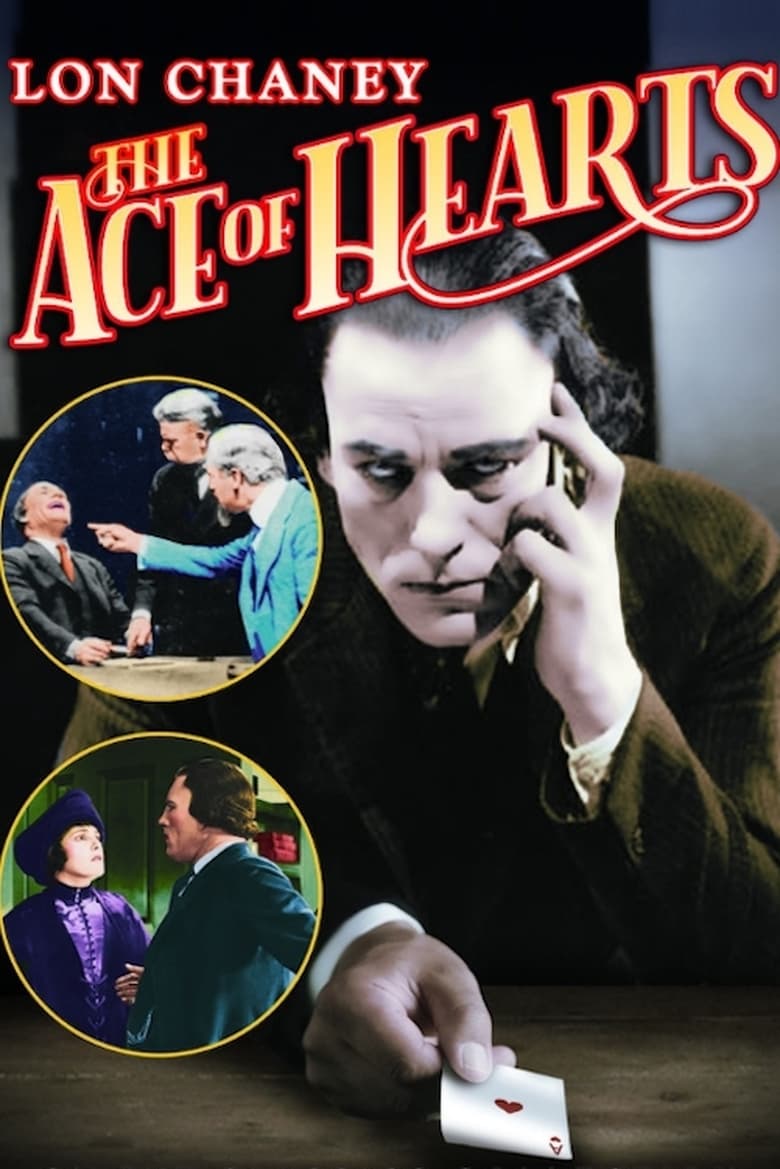
A romantic rivalry among members of a secret society becomes even more tense when one of the men is assigned to carry out an assassination.
Overall Score
Limited
Category Breakdown
LGBTQ+ Representation
The film lacks any evidence of non-cisnormative identities or same-sex intimacy. The central romantic rivalry appears to follow the heteronormative patterns typical of 1921 cinema.
Gender Representation
Women function primarily as objects of desire or catalysts for male conflict. While emotionally influential, the narrative agency remains concentrated among the men in the secret society.
Racial & Ethnic Diversity
The film likely reflects the homogeneous casting norms of early Hollywood. There is no indication of diverse ethnic perspectives or race-bent casting within the narrative.
Religious & Cultural Diversity
The story focuses on traditional themes of loyalty and crime through a secret society. It reinforces established moral binaries rather than offering modern institutional critiques.
Disability Representation
There is no documented evidence regarding the inclusion of characters with visible or invisible disabilities in this production.
Strengths
Areas for Improvement
AI Analysis
The Ace of Hearts is a standard silent-era crime drama that adheres strictly to the genre conventions of the early 1920s. Its narrative structure relies on traditional tropes of rivalry and secrecy, which prioritize male-driven conflict and heteronormative romance. Because the film was produced during a period of homogeneous casting and rigid social hierarchies, it lacks intentionality regarding intersectional representation. The characters serve the melodrama rather than challenging social norms. Ultimately, the film functions as a period-typical piece of storytelling, offering little in the way of diverse perspectives or subversion of established social structures.
1951
1929
1953
1951
No reviews yet. Be the first to share your thoughts on this movie!
Use the rating form above to leave a star rating and optional review.