The Blind Goddess
1926
No user ratings available yet
Diversity score: 3.0 out of 10
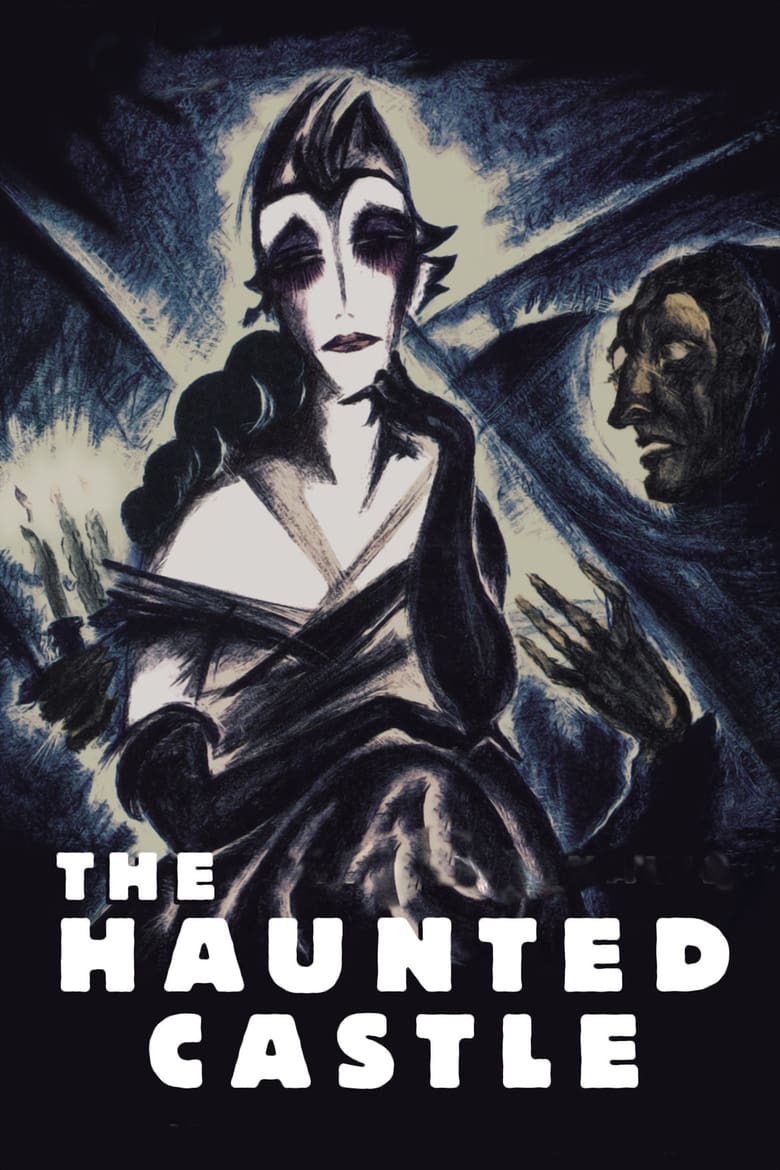
1921
Director
F. W. Murnau
Runtime
81 minutes
Average Rating
No ratings yetSynopsis
The sinister Count Oetsch scandalizes the aristocratic social gathering at Castle Vogelod as he announces his intention to "crash" the festivities. Baroness Safferstätt is expected shortly, and the guests are well-aware of the rumors that Count Oetsch murdered the baroness' late husband. Oetsch refuses to leave, vowing that he will reveal the identity of the real killer. Before the weekend is through, the Count and Baroness will reveal secrets too shocking to be believed!
Overall Score
Limited
Category Breakdown
LGBTQ+ Representation
The film lacks explicit depictions of non-cisnormative identities or same-sex intimacy. While Expressionist cinema often explores repressed desire, no specific LGBTQ+ agency is present here.
Gender Representation
Female characters like the Baroness hold significant social weight within the mystery. However, the plot relies heavily on traditional gendered tropes regarding reputation and domestic scandal.
Racial & Ethnic Diversity
The setting implies a homogeneous European cast focused on class distinctions. The narrative reflects the era's emphasis on traditional Western social structures rather than ethnic diversity.
Religious & Cultural Diversity
The story critiques aristocratic stability through the Count's disruption of social decorum. It moves away from simple moralism by introducing subjective morality and shocking secrets.
Disability Representation
There is no information available regarding the presence of characters with visible or invisible disabilities.
Strengths
Areas for Improvement
AI Analysis
The film is a product of early 20th-century German Expressionism, which prioritizes psychological depth and atmospheric tension over modern intersectional representation. While the narrative offers a sophisticated critique of aristocratic institutions and social hierarchies, it remains rooted in the era's social constraints. The lack of diversity is primarily a reflection of the period's focus on homogeneous European class structures. The mystery centers on traditional social scandals rather than diverse identities or inclusive casting. Ultimately, the work provides psychological complexity but lacks the explicit representation of marginalized groups required for a higher diversity score.
1926
1954
1952
1923
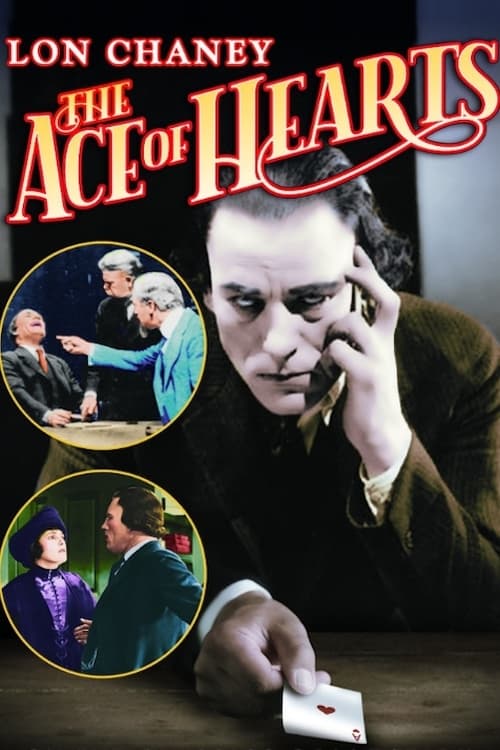
1921

1939
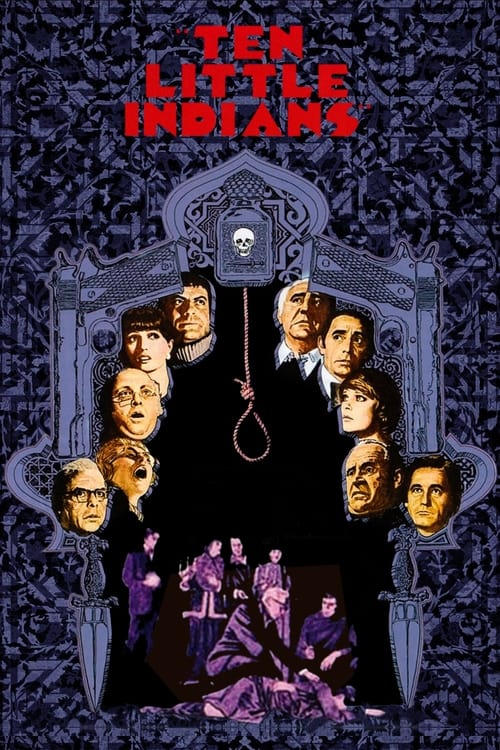
1974
1929
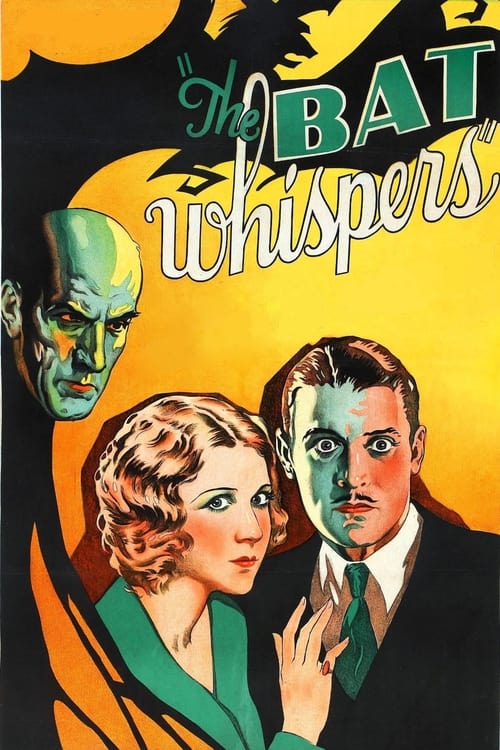
1930
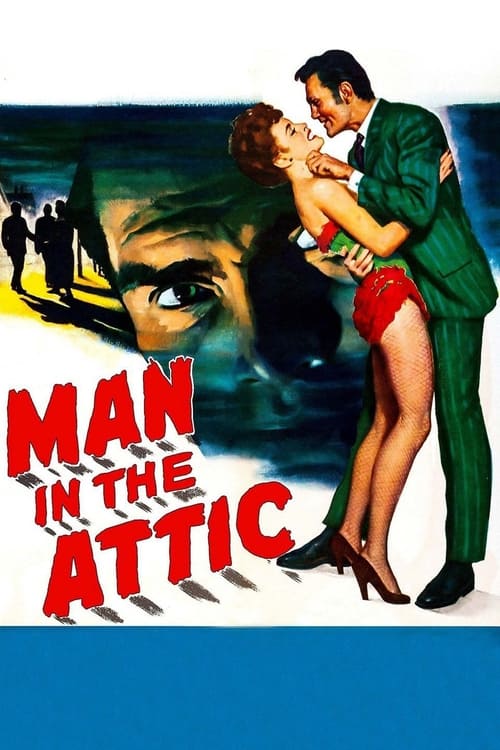
1953
1951
No reviews yet. Be the first to share your thoughts on this movie!
Use the rating form above to leave a star rating and optional review.