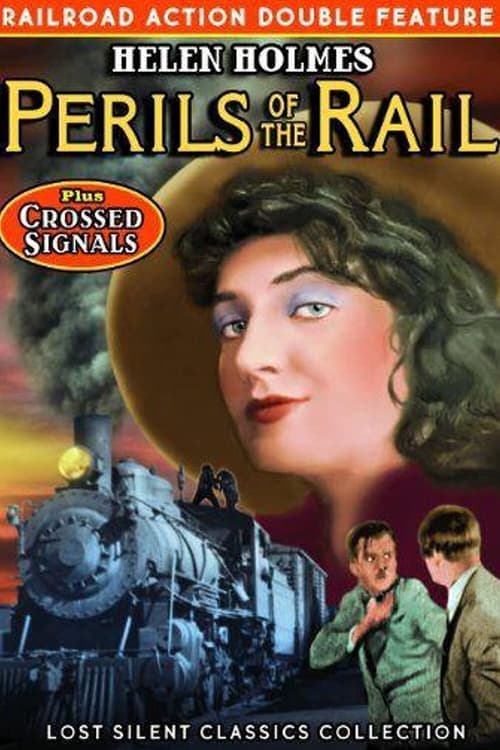
Perils of the Rail
1926
No user ratings available yet
Representation score: 0.3 out of 10
Representation Score
Minimal
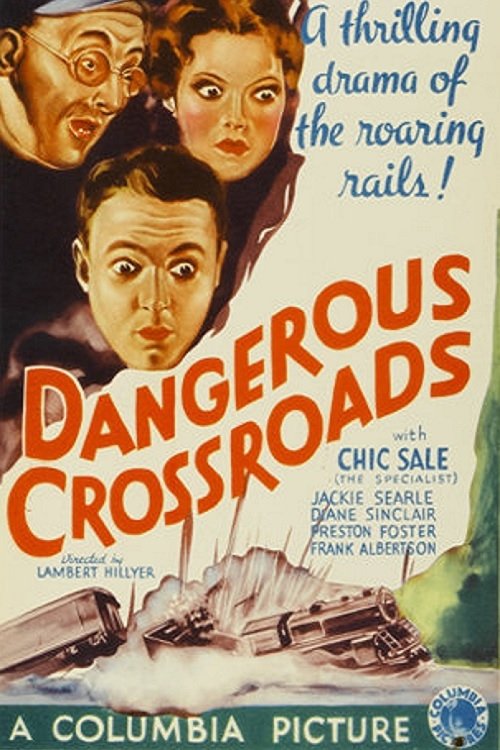
1933
PassedDirector
Lambert Hillyer
Runtime
62 minutes
Average Rating
No ratings yetNew Showbiz Analysis
Dangerous Crossroads is a typical 1930s crime drama that follows the genre conventions of its time. The narrative centers on a railroad detective trying to stop a criminal gang, focusing on law-and-order themes rather than social complexity. The film upholds traditional social structures and institutional stability. By emphasizing masculine authority and the protection of commercial interests, it aligns with the moral frameworks common in early Hollywood crime cinema. Overall, the film lacks diverse casting and narrative subversion, functioning as a period piece that upholds the norms of its time without challenging them.
Category Breakdown
The film does not include any LGBTQ+ characters or stories that go beyond the assumption that everyone is straight and cisgender.
The story revolves around a male railroad detective and his son, emphasizing traditional masculine authority and gender roles.
The cast likely consists of actors who match the traditional expectations for the roles, with no indication of a diverse or race-bent cast.
The plot supports the idea of maintaining order by protecting railroad commerce and legal systems, reinforcing traditional Western views of authority.
There are no visible or hidden disabilities mentioned in the characters or the plot summary.
Present on Screen
Limited or Absent
Official Synopsis
A railroad detective is having a difficult time stopping or even slowing down a gang that is robbing the merchandise carried on the freight trains, with inside information. However, his son and his son's young friends notice something that helps the railway detective get on the right trail.
1926
1936
1937

1912
1941
1932
1953
1935
No reviews yet. Be the first to share your thoughts on this movie!
Use the rating form above to leave a star rating and optional review.