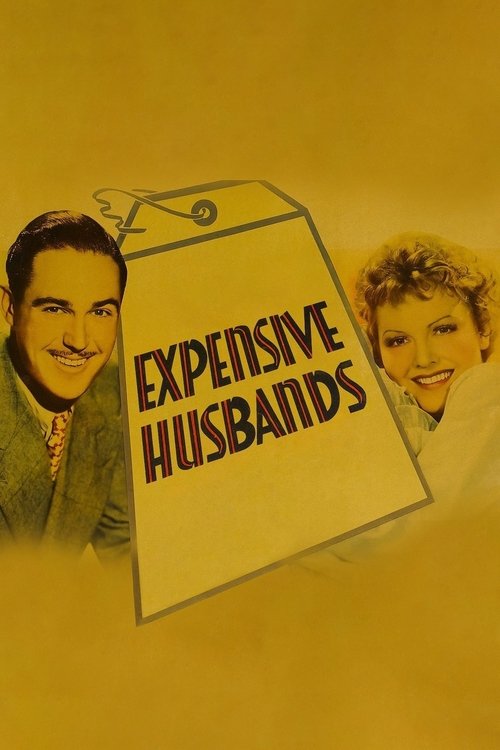
Expensive Husbands
1937
No user ratings available yet
Representation score: 0.8 out of 10
Representation Score
Minimal
1937
ApprovedDirector
Anatole Litvak
Runtime
98 minutes
Average Rating
No ratings yetNew Showbiz Analysis
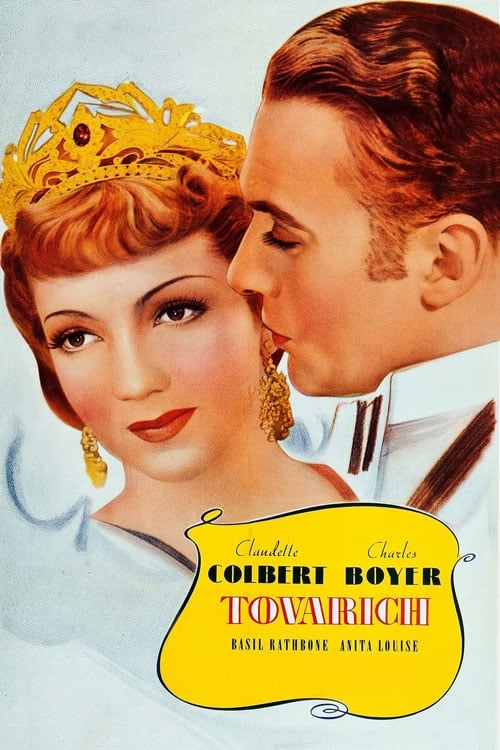
Tovarich is a period drama focused on the displacement of Russian aristocracy. The narrative emphasizes maintaining class identity and personal struggles over systemic critiques. The film adheres to the socio-cultural norms of 1937, centering on romantic survival and social stability. It lacks diverse representation and stays within a narrow ideological scope. While it addresses significant geopolitical shifts, it does so through a traditional lens that upholds existing hierarchies.
Category Breakdown
The film follows the social norms of the 1930s, showing no evidence of LGBTQ identities or same-sex relationships. Character arcs focus on traditional romantic relationships.
Tatiana shows strength and takes control while moving from nobility to domestic service. However, her story revolves around her romantic relationship, reinforcing traditional gender roles.
The cast is nearly all white European actors, reflecting the demographics of the time. The story focuses on Russian aristocrats in Paris without including ethnic minorities.
The film presents the Soviet Revolution through the eyes of displaced aristocrats. It shows political changes as personal chaos rather than a broader social shift.
There are no visible or invisible disabilities shown prominently. The main characters' stories do not involve neurodivergence or chronic illness.
Present on Screen
Limited or Absent
Official Synopsis
When upper-class Parisian Charles Dupont and his family hire Tina and Michel as their servants, they have no idea that the domestics are in fact Tatiana, the Grand Duchess Petrovna, and her husband, Mikail, Prince Ouratieff. Recent exiles from the Russian Revolution, Tatiana and Mikail befriend the Dupont family, keeping their true identities a secret -- until one night when Soviet official Gorotchenko arrives for dinner.
1937
1939
1976
1956
1938

1939
1934
1936
No reviews yet. Be the first to share your thoughts on this movie!
Use the rating form above to leave a star rating and optional review.