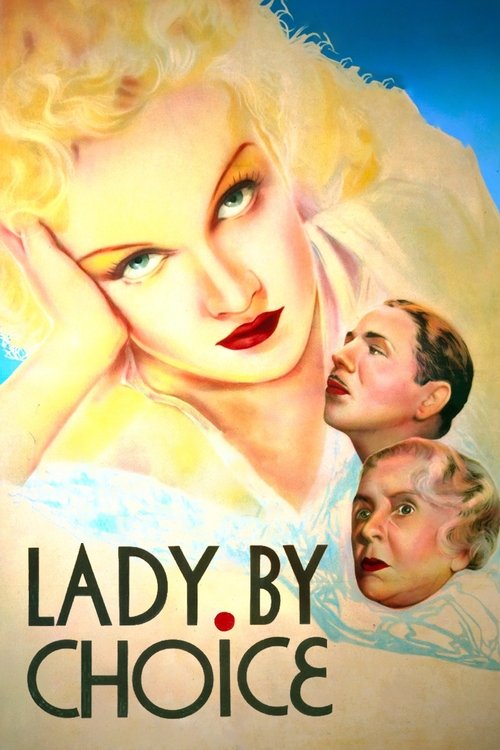
Lady by Choice
1934
No user ratings available yet
Representation score: 1.1 out of 10
Representation Score
Limited
1937
NRDirector
Dorothy Arzner
Runtime
103 minutes
Average Rating
No ratings yetNew Showbiz Analysis
The film's diversity is shaped by its era-specific limitations and progressive elements. While the cast and setting reflect the demographic homogeneity of the 1930s, Dorothy Arzner's direction adds a vital layer of female-centric perspective. Gender representation is strong, with the protagonist navigating complex social hierarchies actively. However, the film lacks breadth in racial, LGBTQ+, and disability representation.
Category Breakdown
The film follows the traditional romantic structures typical of 1930s social comedies. It does not include any same-sex intimacy or non-cisgender identities.
The narrative emphasizes the protagonist's active role in her own life, showing her as a key player in social maneuvering rather than a passive subject of the male gaze.
The film reflects the homogeneous demographics of 1930s high-society dramas. The setting focuses on an upper-class socialite environment that is not diverse.
Themes center on class aspirations and the tensions between socioeconomic tiers. The story prioritizes maintaining social order through marriage and status.
There is no evidence of characters with visible or invisible disabilities in the film.
Present on Screen
Limited or Absent
Official Synopsis
A poor singer in a bar masquerades as a rich society woman thanks to a rich benefactor.
1934
1961
1937
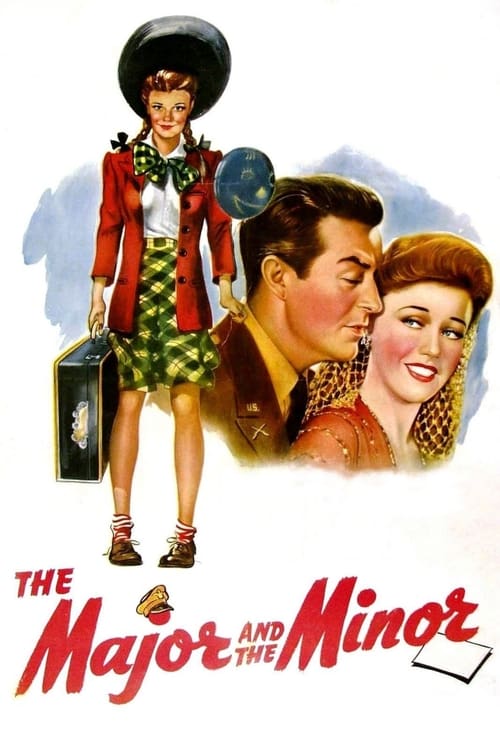
1942
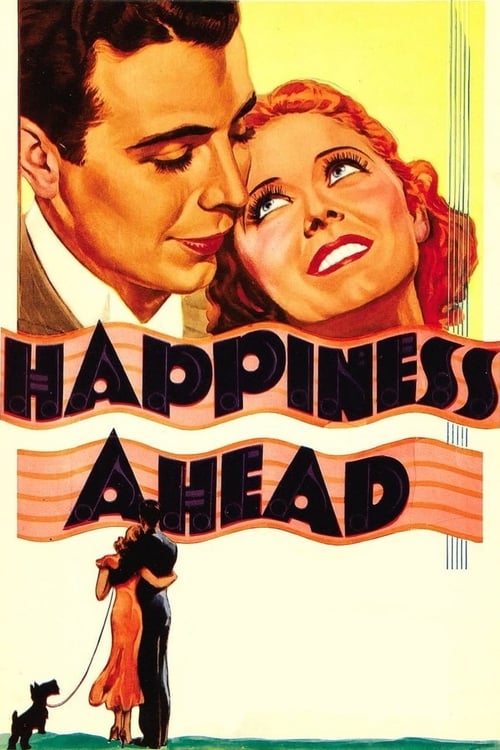
1934

1933
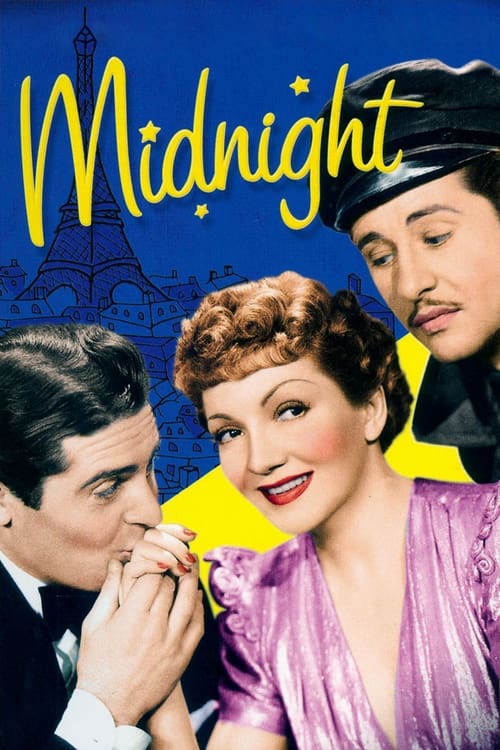
1939
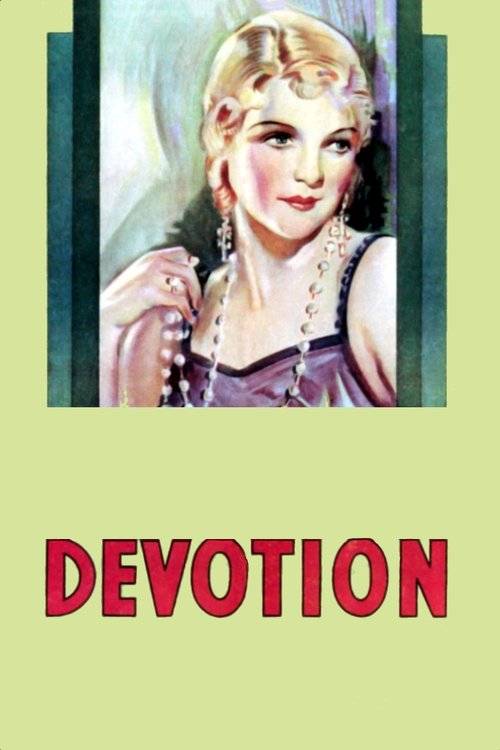
1931
No reviews yet. Be the first to share your thoughts on this movie!
Use the rating form above to leave a star rating and optional review.