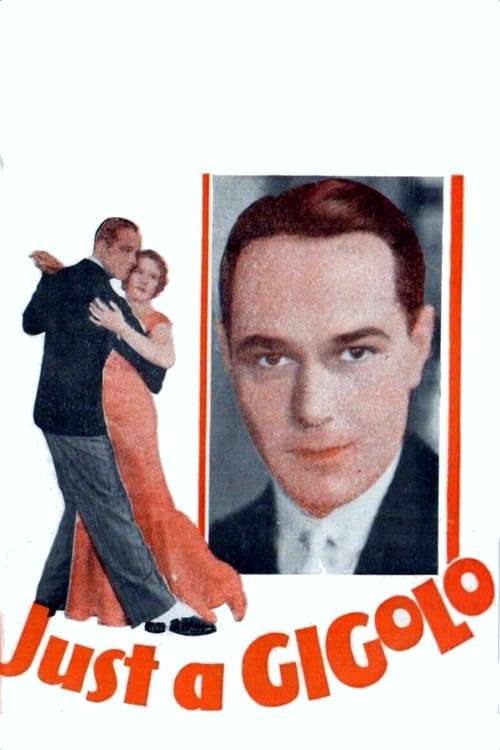
Just a Gigolo
1931
No user ratings available yet
Representation score: 3.6 out of 10

Representation Score
Minimal
1937
ApprovedDirector
Mario Camerini
Runtime
82 minutes
Average Rating
No ratings yetNew Showbiz Analysis
Mario Camerini’s comedy centers on the tensions between social classes rather than identity-based representation. The story uses a protagonist's deception to explore the fluidity of identity and the superficiality of the aristocracy. While the film offers a nuanced look at socioeconomic disparity, it stays within the traditional cinematic clichés of its time, focusing on class-based satire rather than multi-layered complexity. Ultimately, the narrative upholds traditional romantic resolutions and social norms, making it a period-specific social comedy rather than a progressive exploration of diversity.
Category Breakdown
The film follows the social norms of 1930s Italy and does not include any non-traditional gender identities or same-sex relationships.
The story follows conventional gender roles where the female lead has strong moral clarity but is still influenced by the male protagonist's actions.
The film features a uniform cast typical of mid-century European films, with no visible racial or ethnic diversity.
The film subtly critiques social hierarchies and the performance of wealth, using class mobility to highlight the superficiality of the aristocracy.
There are no visible or hidden disabilities shown in the characters or the storyline.
Present on Screen
Limited or Absent
Official Synopsis
Gianni is a poor, young newspaper salesman in Rome. However, during his vacations he poses as Count Max Varaldo, an aristocrat. Once, on a cruise in Naples, he meets Donna Paola, a wealthy snob, and her shy maid Lauretta. After trying to establish a relationship with Donna Paola, Gianni, disappointed, decides to drop his alter ego Max and propose to Lauretta. However, she now believes that he is a Count, which leads to a series of comic misunderstandings.
1931
1955

1941
1936
1937

1938
1959
1928
No reviews yet. Be the first to share your thoughts on this movie!
Use the rating form above to leave a star rating and optional review.