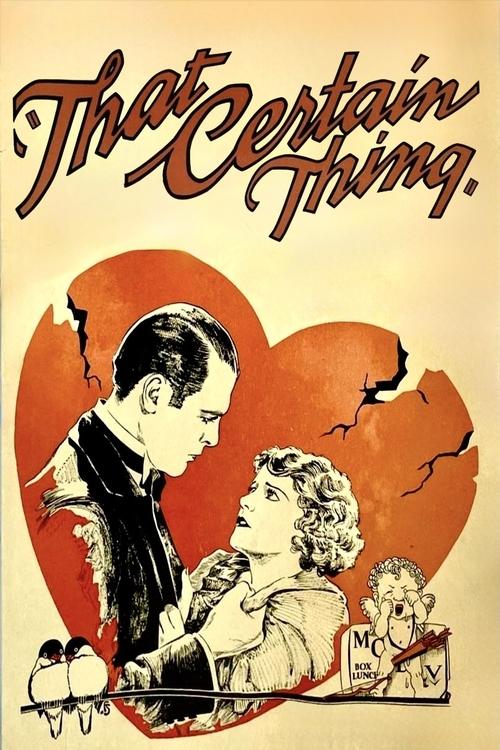
That Certain Thing
1928
No user ratings available yet
Diversity score: 1.4 out of 10
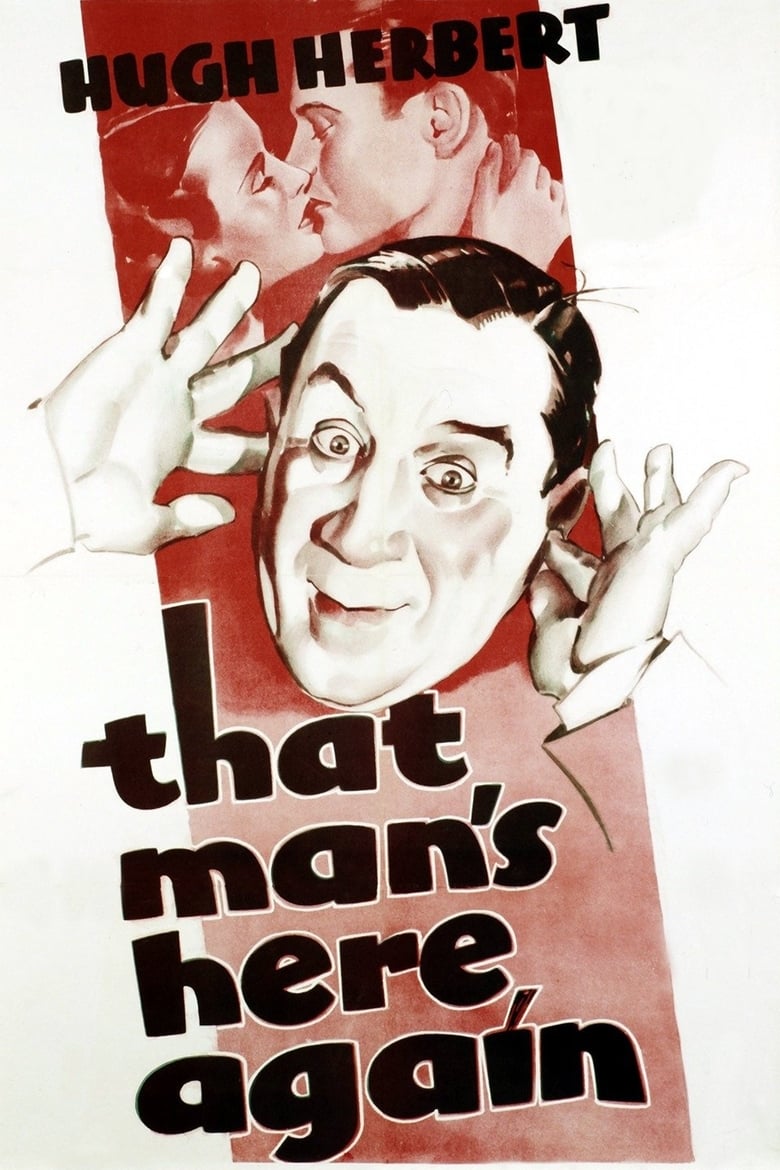
1937
ApprovedDirector
Louis King
Runtime
58 minutes
Average Rating
No ratings yetSynopsis
An elevator operator in a swanky apartment building falls in love with a homeless girl who sneaks in one night looking for a place to keep warm. In order to keep her near him, he wangles a job for her as a maid at the building.
Overall Score
Limited
Category Breakdown
LGBTQ+ Representation
The film lacks LGBTQ+ characters or non-heteronormative identities. The romantic arc focuses exclusively on a traditional heterosexual pairing between the elevator operator and the transient woman.
Gender Representation
Gender dynamics follow 1930s screwball conventions. While the female lead shows agency by seeking shelter, the plot relies on the male protagonist's efforts to secure her a job.
Racial & Ethnic Diversity
The cast is predominantly homogeneous, reflecting the era's production standards. There is no significant non-white representation or racial intersectionality within the high-society setting.
Religious & Cultural Diversity
The story explores class disparity between affluent residents and a homeless protagonist. However, it uses socioeconomic tension as a romantic backdrop rather than a systemic critique.
Disability Representation
No visible or invisible disabilities are portrayed. Characters function within the standard able-bodied comedic archetypes of the period.
Strengths
Areas for Improvement
AI Analysis
This 1937 comedy is a product of its historical era, reinforcing traditional social hierarchies rather than challenging them. The narrative relies on conventional romantic tropes and a homogeneous cast typical of 1930s Hollywood. While the film introduces themes of class mobility through the interaction between the wealthy apartment residents and the homeless lead, it lacks intersectional depth. The socioeconomic struggle serves primarily as a plot device for romance rather than social commentary. Ultimately, the film's lack of racial, LGBTQ+, or disability representation results in a narrow demographic scope that mirrors the period's standard cinematic conventions.
1928
1937
1930

1928
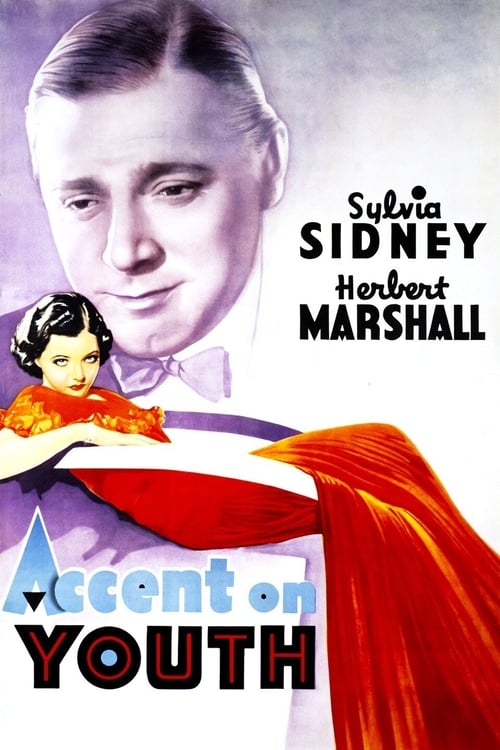
1935

1937
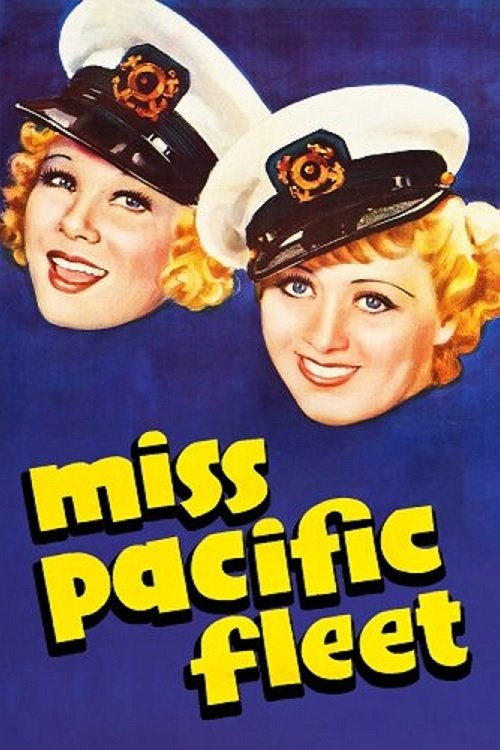
1935
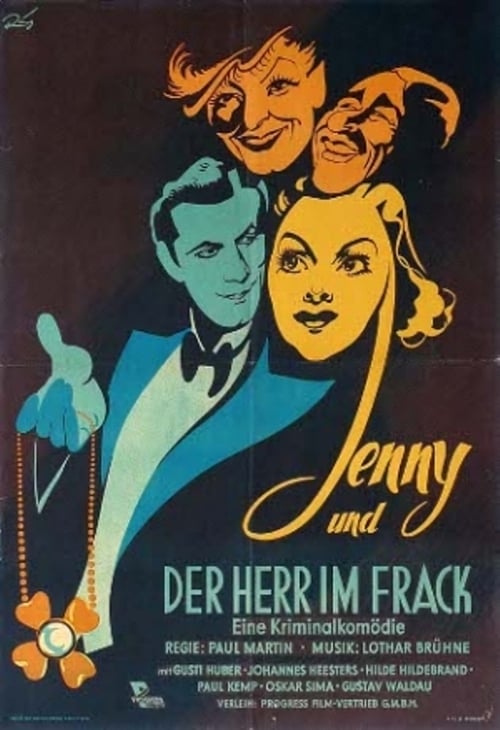
1941
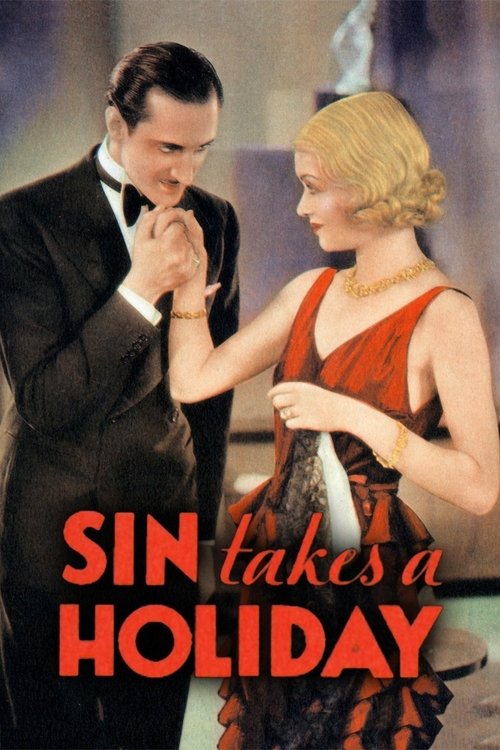
1930
1930

1936

1946
No reviews yet. Be the first to share your thoughts on this movie!
Use the rating form above to leave a star rating and optional review.