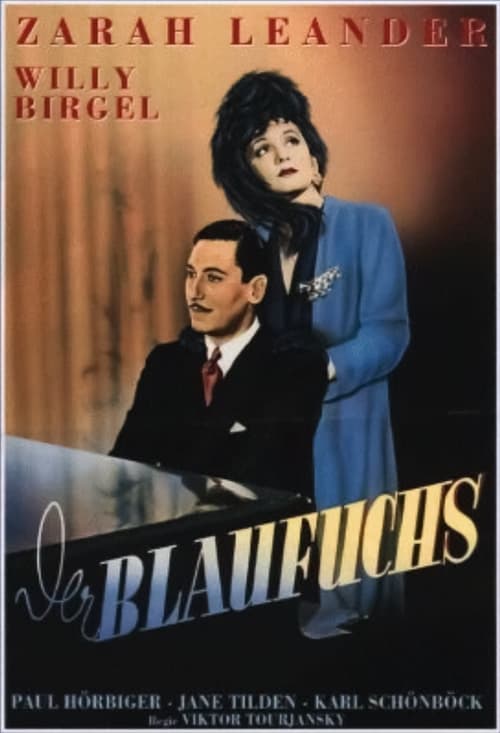
Der Blaufuchs
1938
No user ratings available yet
Representation score: 1.9 out of 10

Representation Score
Limited
1932
NRDirector
William Dieterle
Runtime
62 minutes
Average Rating
No ratings yetNew Showbiz Analysis
Man Wanted, a product of the early Pre-Code era, emphasizes conventional romantic storylines over challenging social norms. While it avoids some of the restrictive formulas of the time, it remains firmly within the standard studio practices of 1932. One of the film's strengths is its portrayal of professional gender dynamics. By positioning a woman in a leadership role over a man, it deviates from the passive roles typically assigned to women in films of the era. However, the film lacks depth in representing diverse identities. It presents a homogeneous social environment with little racial or LGBTQ+ diversity, and it does not offer any significant critiques of the cultural or institutional norms of the time.
Category Breakdown
The film centers on a heterosexual relationship and does not include any characters with non-traditional gender identities. It also does not challenge the assumption that everyone is straight or cisgender.
A female editor holds power over her male secretary, which disrupts the typical depiction of women as passive. This dynamic provides a meaningful shift from the usual gender roles of the time.
The cast is predominantly white, reflecting the homogeneity typical of early 1930s productions. There are no characters of color with significant roles or influence.
The narrative adheres to the social and moral standards of the early 1930s, operating within a traditional capitalist framework without questioning the prevailing cultural norms.
The film does not feature any characters with visible or invisible disabilities.
Present on Screen
Limited or Absent
Official Synopsis
A female editor of a magazine falls in love with her male secretary.
1938

1928

1932

1933

1931

1928

1933

1940
No reviews yet. Be the first to share your thoughts on this movie!
Use the rating form above to leave a star rating and optional review.