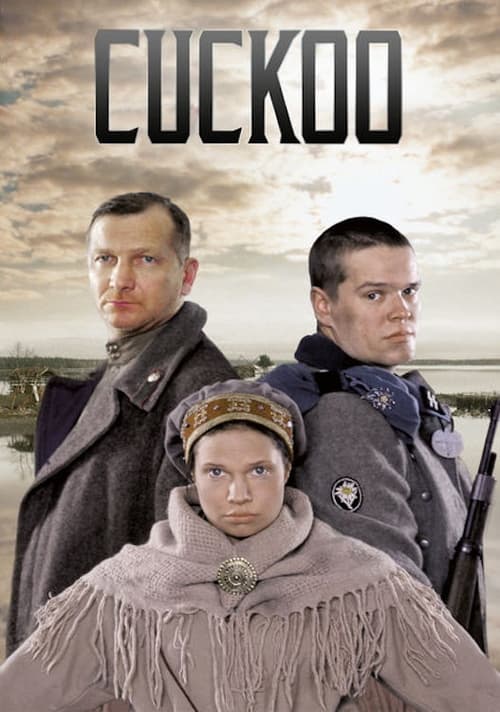
The Cuckoo
2002
No user ratings available yet
Representation score: 4.7 out of 10
Representation Score
Minimal
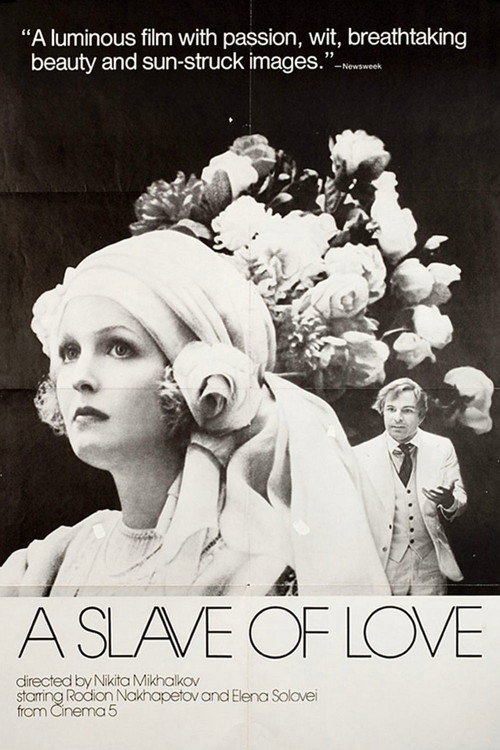
1976
Not RatedDirector
Nikita Mikhalkov
Runtime
90 minutes
Average Rating
No ratings yetNew Showbiz Analysis
Nikita Mikhalkov’s film is a nostalgic exploration of a pre-revolutionary era, prioritizing sensory experience over social or political subversion. The narrative structure preserves a sense of 'lost elegance,' reinforcing a homogeneous cultural perspective. By centering on the emotional lives of the Russian intelligentsia, the film avoids disrupting traditional social hierarchies, functioning more as a high-culture aesthetic experience.
Category Breakdown
The film follows traditional romantic conventions, focusing on a male aristocrat's pursuit of a female actress without any depiction of same-sex relationships.
Gender dynamics follow traditional hierarchies, with the male lead showing emotional vulnerability while the female lead is primarily an object of idealized longing.
The cast and setting are ethnically homogeneous, focusing solely on the Russian aristocracy without any effort to include diverse racial or ethnic perspectives.
The narrative emphasizes aestheticism and the internal lives of the elite, avoiding political critique or the deconstruction of social hierarchies.
There are no significant depictions of visible or invisible disabilities, with characters fitting within standard physical and neurotypical frameworks typical of the period drama genre.
Present on Screen
Limited or Absent
Official Synopsis
During the Russian Civil War, the production of a silent melodrama runs into numerous complications.
2002

1994
1987
1995
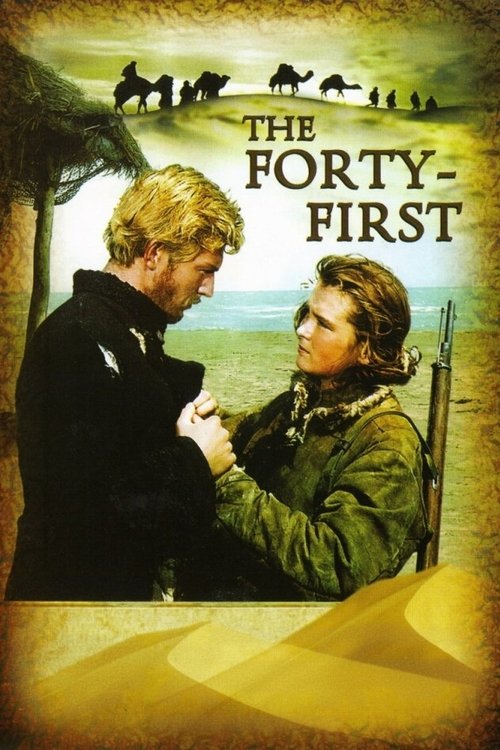
1956
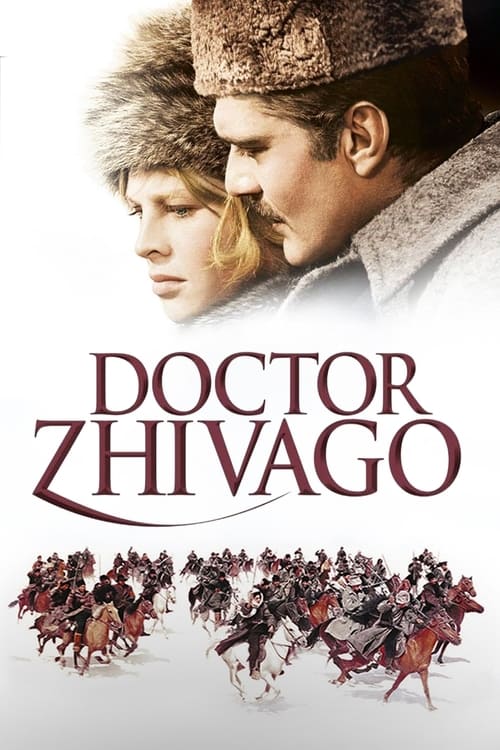
1965
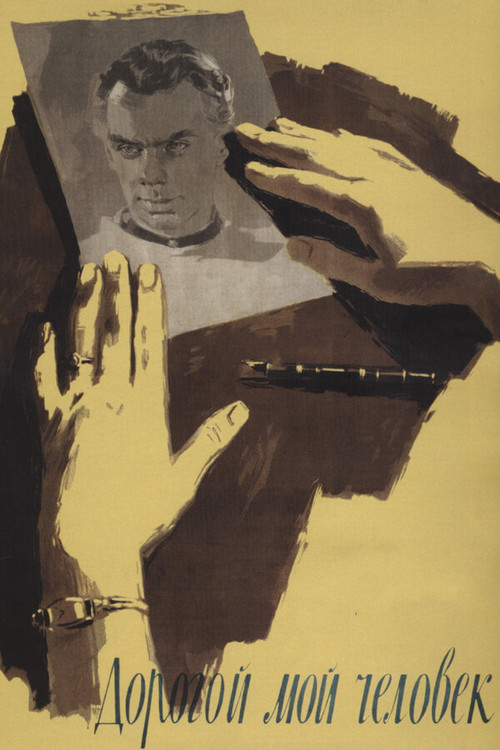
1958
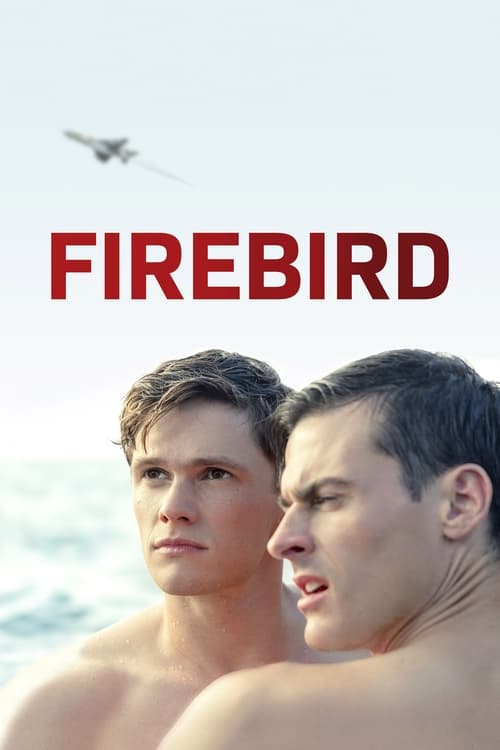
2021
No reviews yet. Be the first to share your thoughts on this movie!
Use the rating form above to leave a star rating and optional review.