Mother
1952
No user ratings available yet
Representation score: 3.9 out of 10
Representation Score
Limited
1939
Director
Mikio Naruse
Runtime
67 minutes
Average Rating
No ratings yetNew Showbiz Analysis
Mikio Naruse’s *Sincerity* is a study of domestic realism that focuses on the internal lives of its characters rather than political activism. The film subtly challenges class-based assumptions by positioning a less fortunate girl as the intellectual superior to her wealthier peer. This provides a nuanced look at how merit can exist independently of social standing. However, the film is deeply rooted in the social structures of 1939 Japan. It does not seek to disrupt the status quo or offer diverse perspectives, remaining a period-accurate drama focused on internal character dynamics.
Category Breakdown
The film follows the social norms of 1930s Japan and does not depict non-straight or non-cisgender identities. It does not challenge the assumption that everyone is straight or cisgender.
The film centers on the internal lives of women, highlighting their intellectual abilities and challenging traditional gender roles. Nobiko's academic success defies typical hierarchies of status and gender.
The cast is made up entirely of Japanese actors, reflecting the historical context of the film. It lacks modern diversity but offers an authentic look at social stratification of the time.
The story is set within a traditional framework that emphasizes social cohesion. It explores human connections and family dynamics without questioning established social or religious structures.
There are no characters with visible or invisible disabilities in the film. No specific roles are given to characters with disabilities.
Present on Screen
Limited or Absent
Official Synopsis
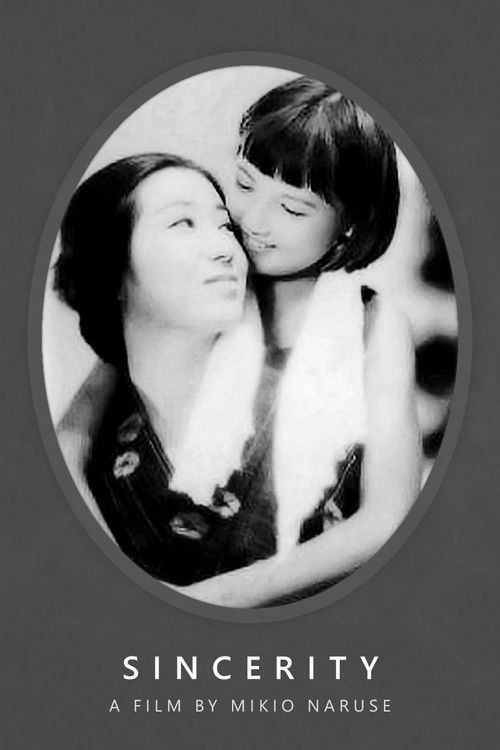
Two young girls, Nobiko and Tomiko, go to the same school. The less fortunate girl Nobiko is one of the top students, while the rich girl Tomiko is not. At one time Tomiko's father was quite fond of Nobuko's mother.
1952
1936
1961
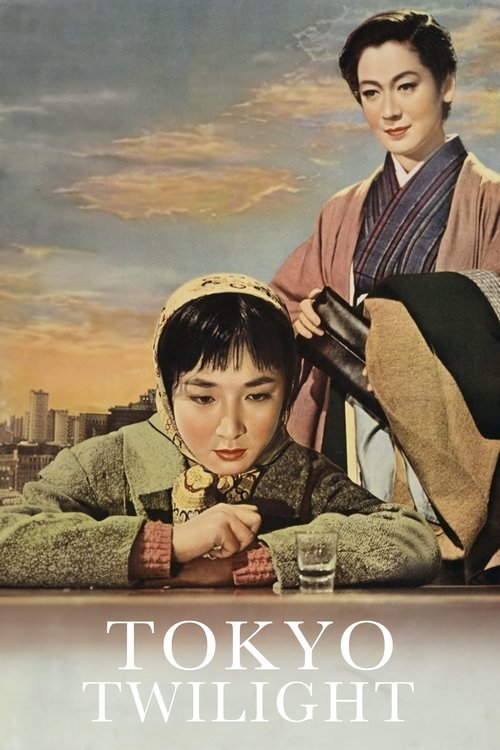
1957
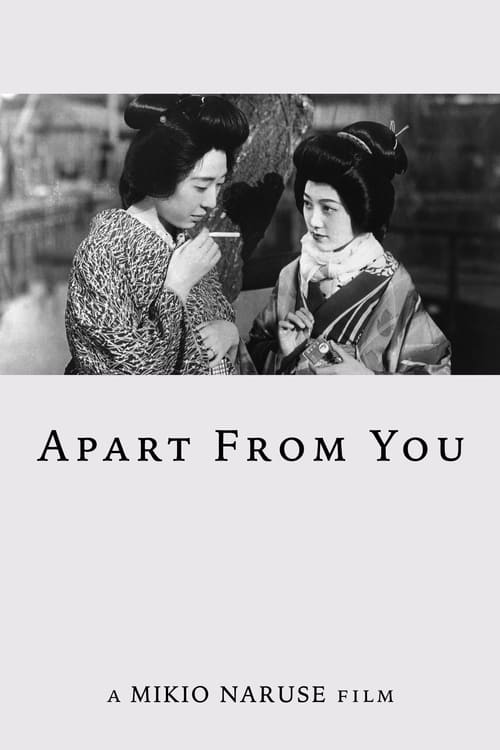
1933

1947
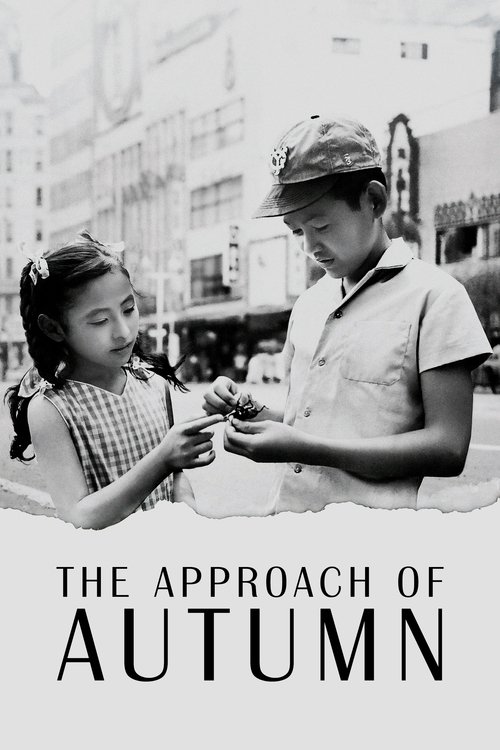
1960
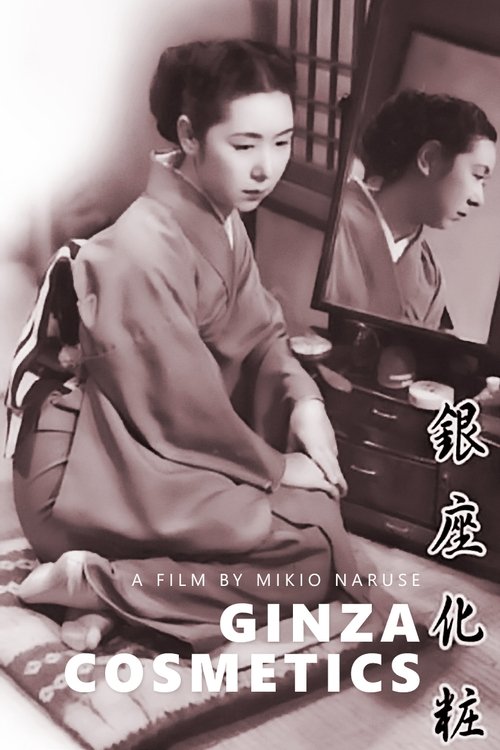
1951
No reviews yet. Be the first to share your thoughts on this movie!
Use the rating form above to leave a star rating and optional review.