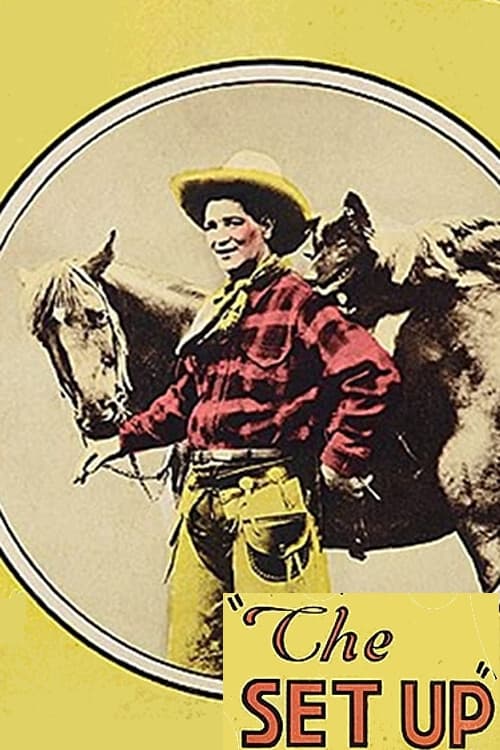
The Set-Up
1926
No user ratings available yet
Diversity score: 2.4 out of 10
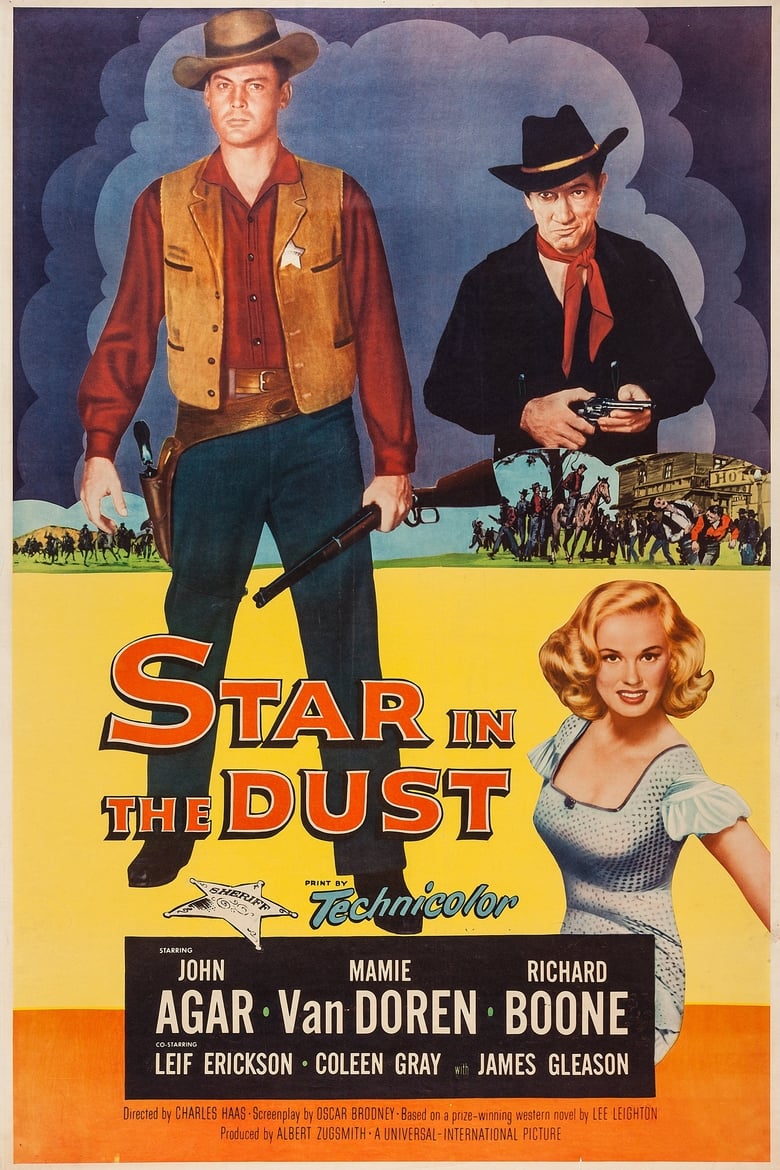
1956
NRDirector
Charles F. Haas
Runtime
80 minutes
Average Rating
No ratings yetSynopsis
The sheriff of Gunlock is planning to hang Sam Hall, who shot three farmers found on cattle land, at sundown. At the casino, betting is 8 to 3 he won't make it. The cattlemen are set to rescue Sam; the farmers hope to lynch him before he can be rescued; and Hall schemes for escape with his girl Nellie. But Sheriff Jorden is most concerned with finding out who hired Hall: a leading suspect is the sheriff's future brother-in-law.
Overall Score
Limited
Category Breakdown
LGBTQ+ Representation
The film lacks LGBTQ+ characters or non-heteronormative identities. Interpersonal dynamics focus on traditional romantic pairings, such as Sam Hall and Nellie, following standard heteronormative scripts.
Gender Representation
Joan Evans provides a departure from typical tropes by pursuing economic agency in the mining industry. However, the central conflict remains rooted in a traditional masculine framework of law and justice.
Racial & Ethnic Diversity
The setting presents a predominantly white, Anglo-Saxon social environment. There is a lack of non-white characters with significant agency, reflecting the homogeneous frontier depictions common in 1956.
Religious & Cultural Diversity
The narrative emphasizes law, order, and community stability without critiquing Western institutions. The moral landscape focuses on individual responsibility and the preservation of existing social structures.
Disability Representation
There are no visible or invisible disabilities portrayed. No characters utilize disability as a narrative device or plot catalyst.
Strengths
Areas for Improvement
AI Analysis
Star in the Dust is a quintessential mid-century Western that prioritizes genre-standard tropes of frontier justice. While it adheres to many of the era's restrictive social norms, it offers a subtle subversion through its female lead. The film's strength lies in its refusal to relegate women to purely domestic roles, instead granting them professional independence. This provides a nuanced layer to an otherwise traditional narrative. However, these progressive gender elements are heavily offset by a lack of racial and cultural diversity. The film remains a homogeneous study of white, Anglo-Saxon social hierarchies and conventional moral landscapes.
1926
1930
1930
1951
1948
1953
1942
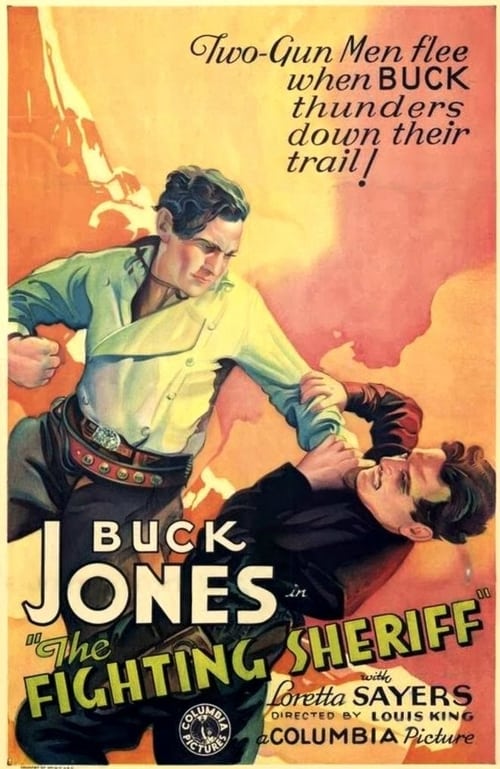
1931
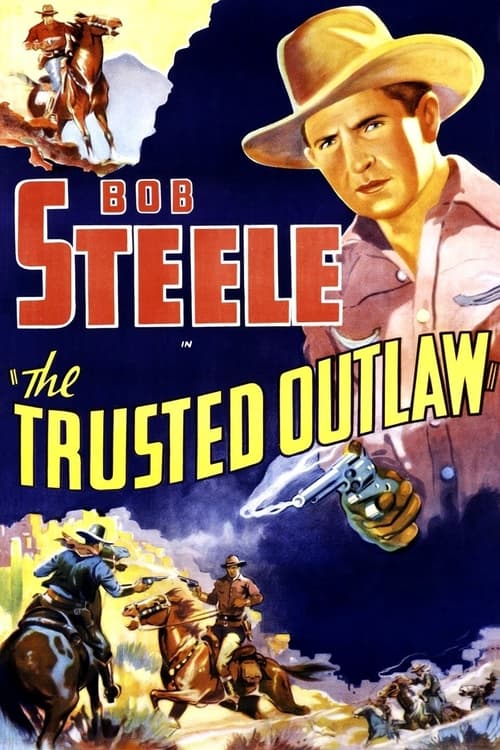
1937
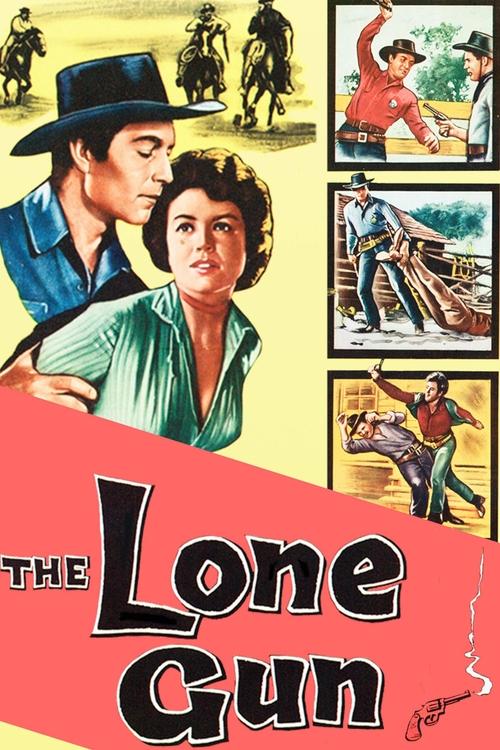
1954
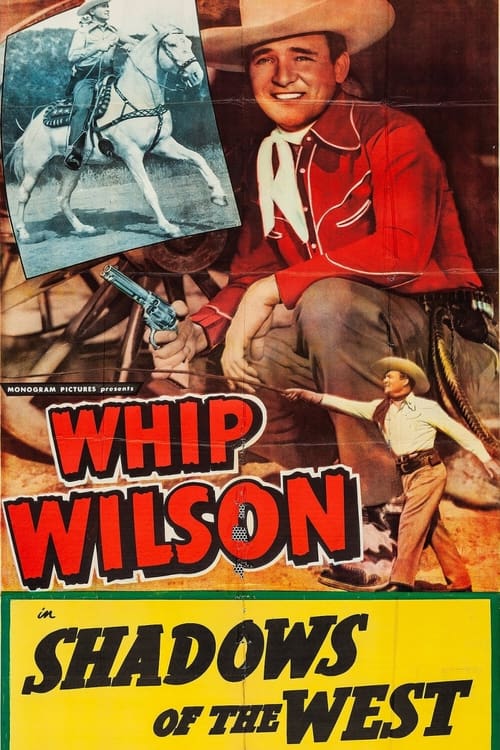
1949
1971
No reviews yet. Be the first to share your thoughts on this movie!
Use the rating form above to leave a star rating and optional review.