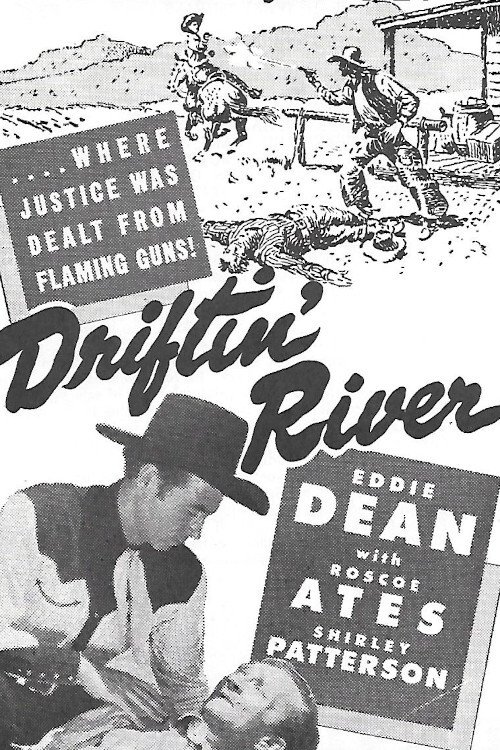
Driftin' River
1946
No user ratings available yet
Diversity score: 2.5 out of 10

1951
PassedDirector
Robert Emmett Tansey
Runtime
72 minutes
Average Rating
No ratings yetSynopsis
After conning a potential buyer into believing that Queenie's herd is diseased, nasty would-be empire builder Duke Drake is confronted by the girl's new tough foreman Bill Foster. In retaliation, Drake frames Bill for a stage robbery committed by his own henchmen and arranges a phony trial presided over by the saloon's bartender Judge Whipple. Queenie interrupts the "trial" with the news that the townswomen have all elected Jim Marshal. To uphold the decision, Bill has secured the release of three convicted outlaws: Blackie Malone, Bad Bill Smith, and Shotgun Thompson, two of whom join in the fight against Drake and his gang.
Overall Score
Limited
Category Breakdown
LGBTQ+ Representation
The film adheres to strict mid-century heteronormative structures. There is no presence of non-cisnormative identities or same-sex intimacy.
Gender Representation
Queenie serves as a central protagonist with significant economic agency and land ownership. This positioning subverts traditional gender hierarchies in a male-dominated frontier setting.
Racial & Ethnic Diversity
The cast is largely homogeneous, reflecting the era's focus on Anglo-Saxon narratives. There is no evidence of intersectional casting or diverse ethnic perspectives.
Religious & Cultural Diversity
The narrative focuses on property rights and capitalist frameworks. While it critiques local corruption through a phony trial, it reinforces the sanctity of private property.
Disability Representation
No visible or invisible disabilities are portrayed. Characters are presented through standard Western archetypes without neurodivergent or physical disability elements.
Strengths
Areas for Improvement
AI Analysis
Cattle Queen stands out primarily for its subversion of gendered power dynamics. By centering the plot on Queenie, a woman with significant land ownership and economic influence, the film challenges the typical male-dominated tropes of the 1951 Western. However, the film remains a product of its time, lacking racial and LGBTQ+ diversity. The cast is largely homogeneous, and the social framework is strictly heteronormative, adhering to the standard frontier mythos of the mid-century. Ultimately, the film offers a localized progressive element regarding female agency while remaining culturally and racially conventional for the period.
1946
1946
1945
1941
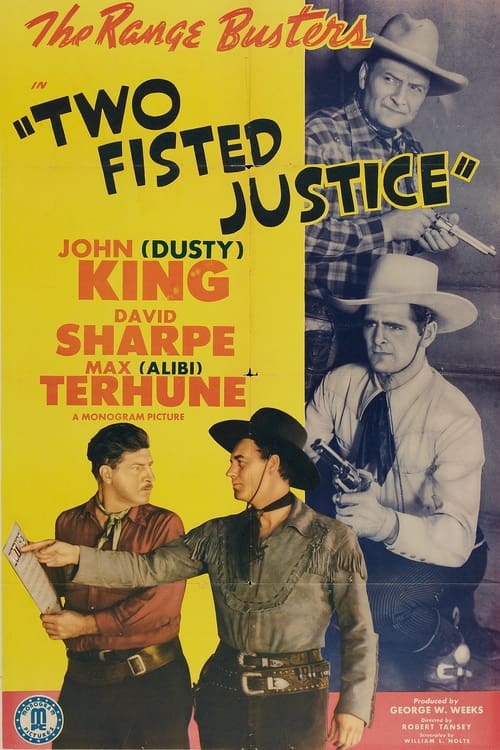
1943

1954
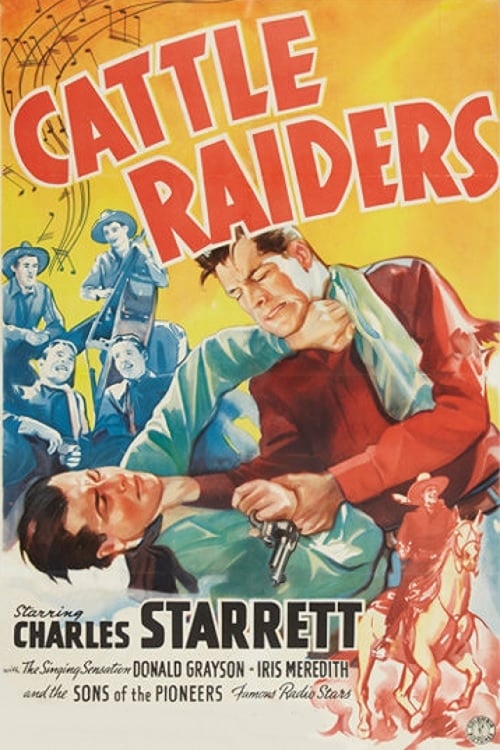
1938
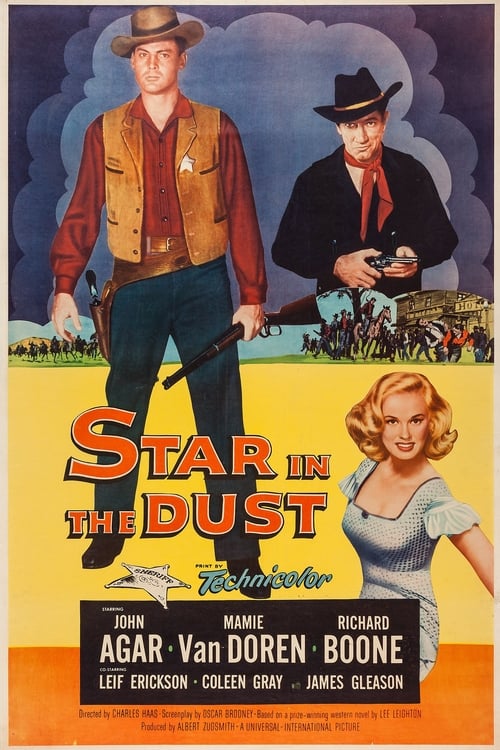
1956
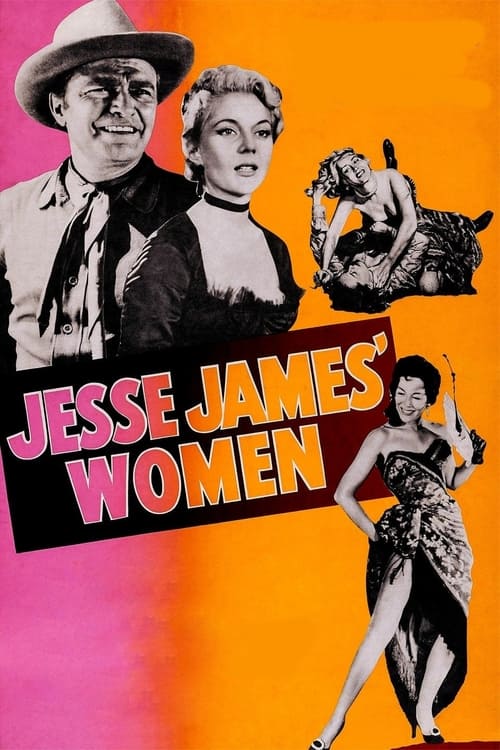
1954
1931
1934
1935
No reviews yet. Be the first to share your thoughts on this movie!
Use the rating form above to leave a star rating and optional review.