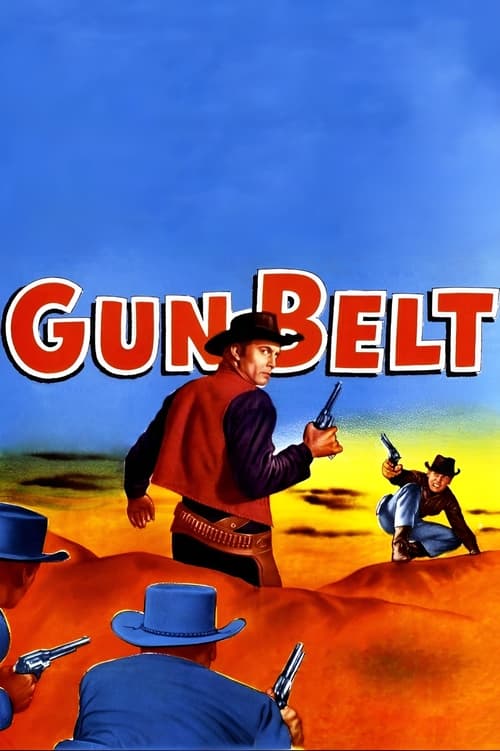
Gun Belt
1953
No user ratings available yet
Diversity score: 1.4 out of 10
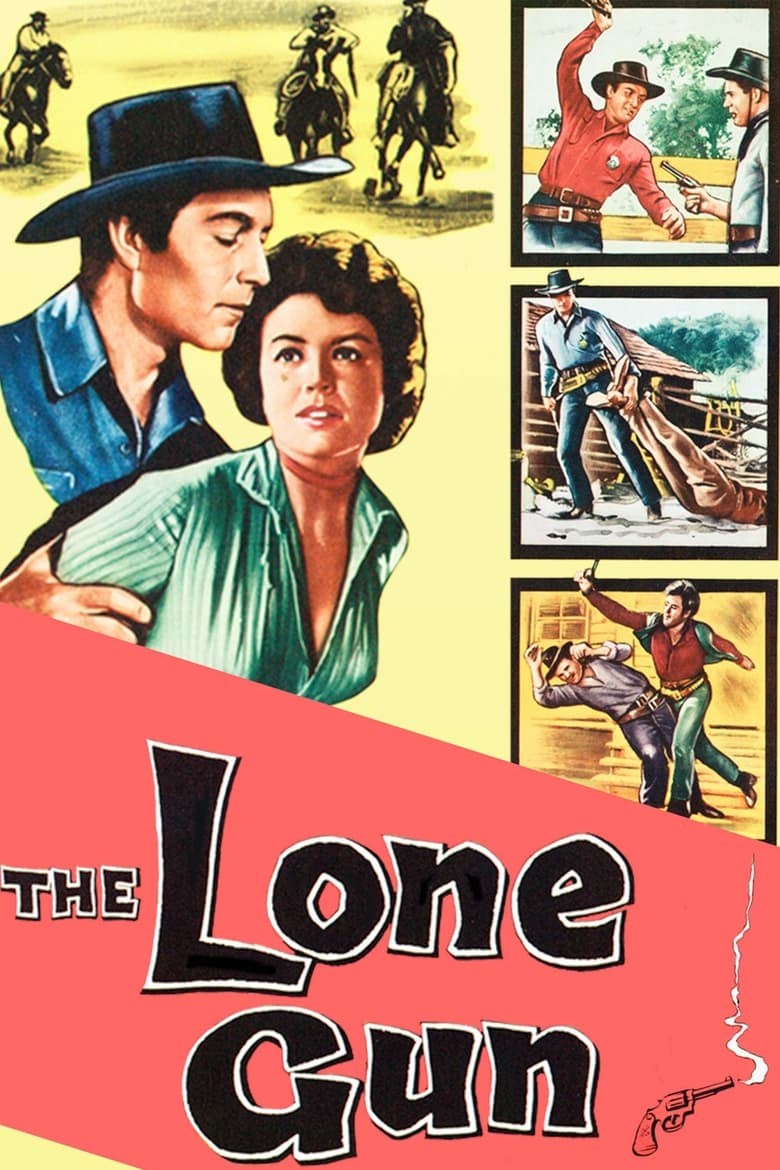
1954
NRDirector
Ray Nazarro
Runtime
76 minutes
Average Rating
No ratings yetSynopsis
Cruze arrives in town and when he stands up to the three Moran brothers, he gets appointed Marshal. First the brothers kill a rancher while framing another man. But when the jailer is murdered, Cruze gets evidence the Morans did it. He tries to raise a posse to chase them down but the townsmen refuse to go. So he rides off by himself to face the three of them.
Overall Score
Limited
Category Breakdown
LGBTQ+ Representation
The film lacks any evidence of LGBTQ+ characters or narratives. It adheres to the heteronormative archetypes common in mid-century Westerns.
Gender Representation
The story centers on masculine agency and physical confrontation. The plot focuses on a male protagonist and male-dominated conflicts, offering no significant female agency.
Racial & Ethnic Diversity
The narrative follows a conventional Western structure typical of 1954. It lacks specific details regarding ethnic diversity, suggesting a homogeneous cast.
Religious & Cultural Diversity
The film reinforces traditional Western institutional frameworks and the legitimacy of the legal system. It upholds standard notions of morality and social order.
Disability Representation
There is no mention of characters with visible or invisible disabilities in the narrative.
Strengths
Areas for Improvement
AI Analysis
The Lone Gun is a quintessential 1950s B-movie Western that prioritizes genre tropes over social complexity. The narrative is built around a singular male hero, Cruze, whose journey focuses on establishing law and order through individual violence and leadership. Because the film operates within the rigid social and cinematic conventions of its era, it offers almost no disruption to traditional hierarchies. The focus remains strictly on masculine agency and the reinforcement of established legal institutions. Ultimately, the film serves as a standard genre piece. It lacks intersectional depth, providing a narrow view of heroism that aligns with the homogeneous social structures of the mid-century American West.
1953

1946
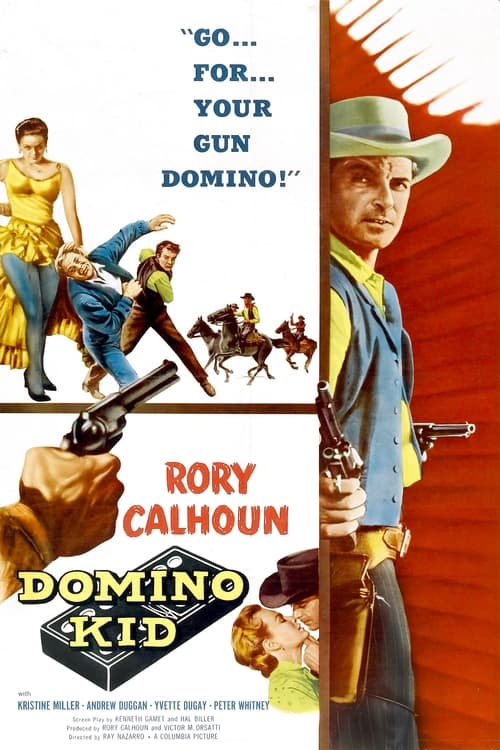
1957
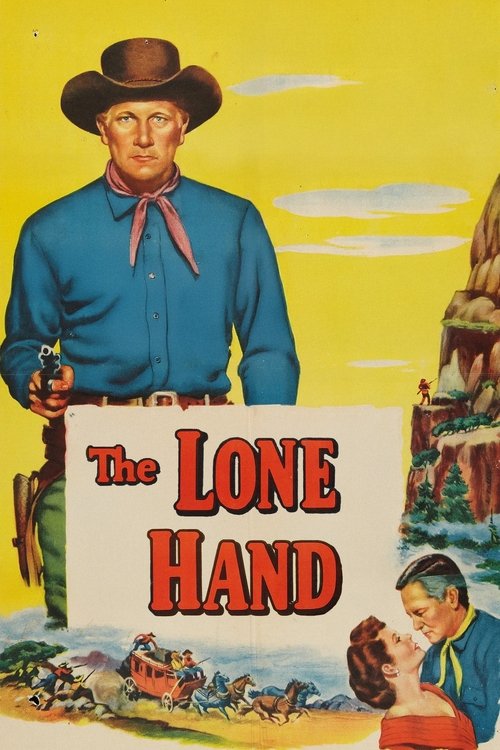
1953
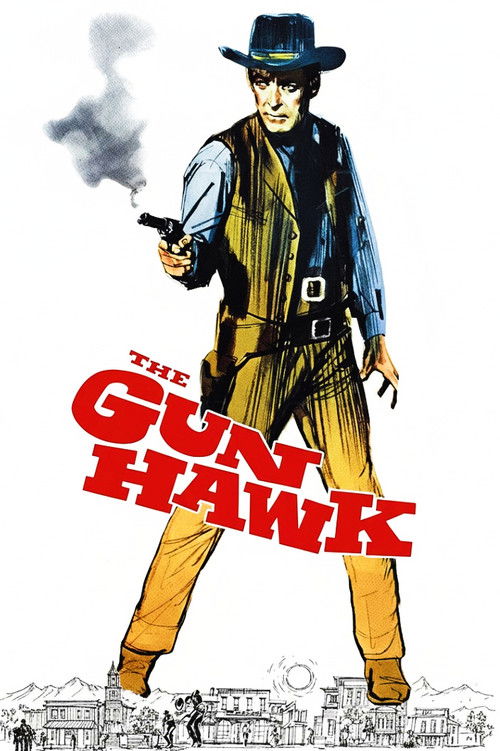
1963
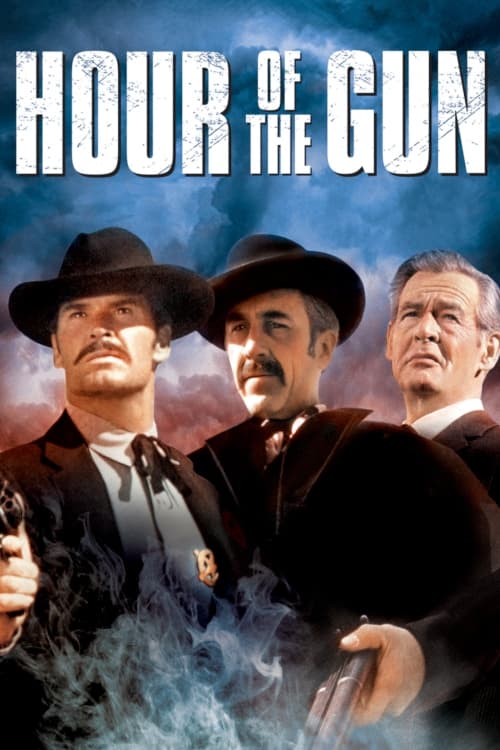
1967
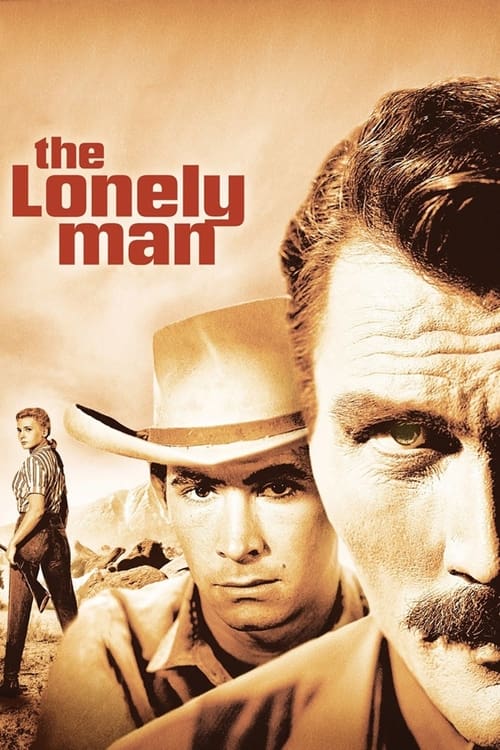
1957
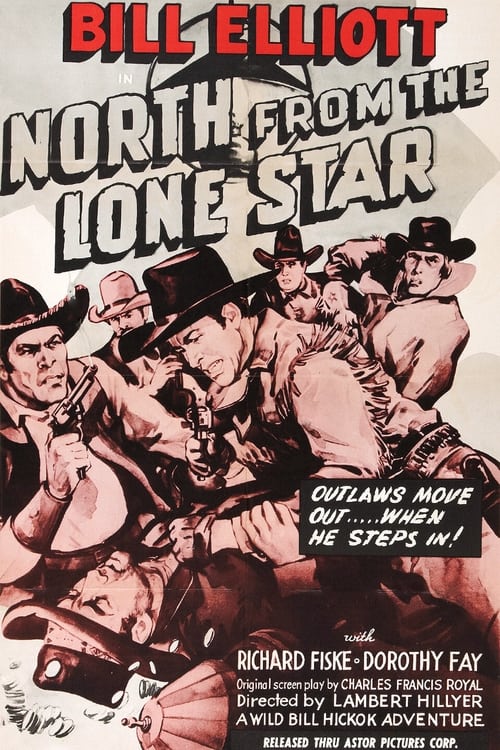
1941
1962
1932
1941
1944
No reviews yet. Be the first to share your thoughts on this movie!
Use the rating form above to leave a star rating and optional review.