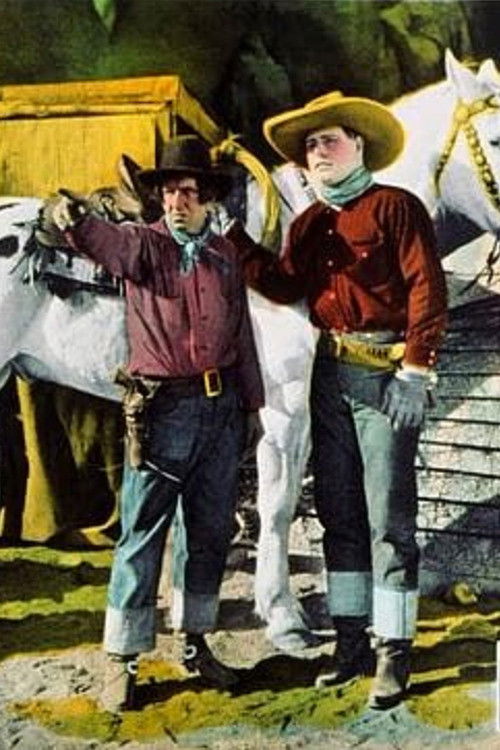
The Demon
1926
No user ratings available yet
Diversity score: 2.6 out of 10
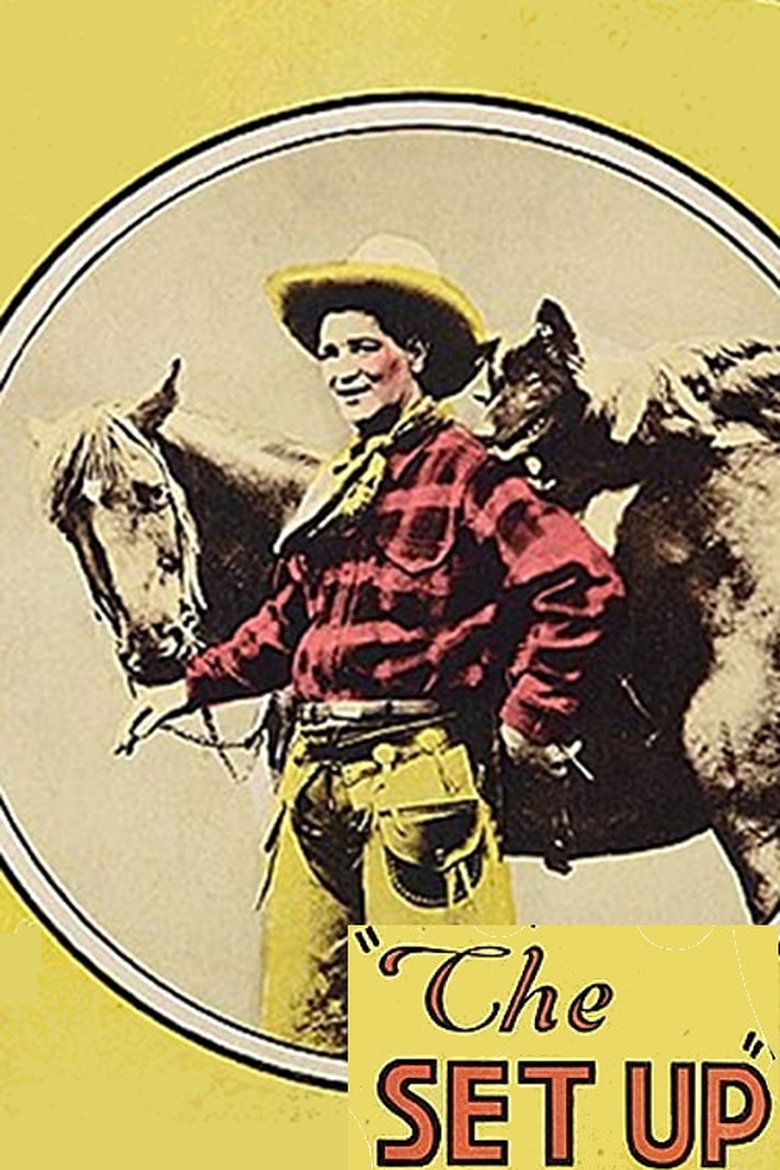
1926
PassedDirector
Clifford Smith
Runtime
55 minutes
Average Rating
No ratings yetSynopsis
Cliff Barton, suspicious of the intentions of the local banker, Seth Tolliver, withdraws his money from the bank, hides it, and is later killed by two hirelings of the banker. Deputy Sheriff Art Stratton, who has trained Barton's horse and is in love with his daughter, Thora, is assigned to guard the ranch for the creditors; and Tolliver, who has designs on the property and wants his son to marry Thora, arranges to have the ranch auctioned.
Overall Score
Limited
Category Breakdown
LGBTQ+ Representation
The film follows a conventional romantic structure centered on heteronormative relationships. There are no depictions of non-cisnormative identities or narratives that challenge traditional gender norms.
Gender Representation
Female characters like Thora serve primarily as motivations for male characters. Her agency is limited, as she functions more as a prize in a dispute over property and lineage.
Racial & Ethnic Diversity
The cast appears homogeneous, reflecting the standard Anglo-Saxon casting norms of early 20th-century Westerns. There is no evidence of racial blending or non-white protagonists.
Religious & Cultural Diversity
The story focuses on Western institutional values like property rights and banking. While it features a corrupt banker, the conflict remains a moralistic struggle rather than a systemic critique.
Disability Representation
The narrative does not identify any characters with visible or invisible disabilities.
Strengths
Areas for Improvement
AI Analysis
The Set-Up is a quintessential product of the 1920s silent Western era, prioritizing linear genre tropes over social subversion. The narrative is driven by male competition over land, wealth, and lineage, which reinforces the patriarchal structures of the period. Representation is largely absent or strictly traditional. The film relies on a homogeneous cast and a romantic structure that centers on heteronormative interests, offering no disruption to the era's established social hierarchies. Ultimately, the film functions as a moralistic crime drama. It uses common tropes, such as the corrupt banker, to drive the plot without engaging in a deeper critique of the cultural or economic systems it depicts.
1926
1920
1926
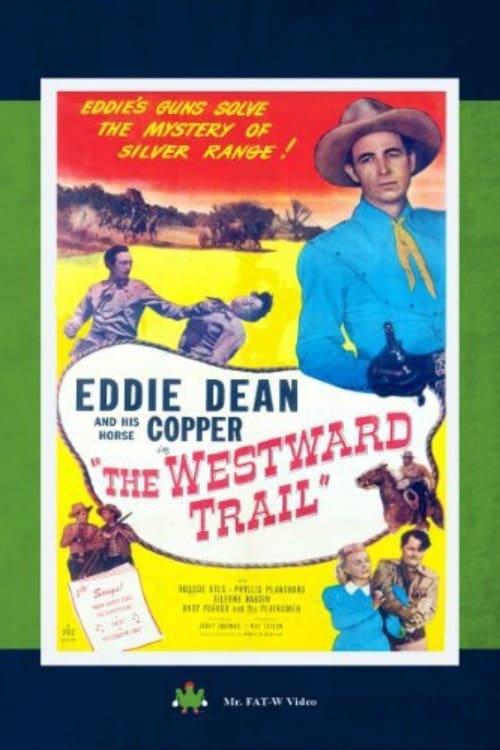
1948
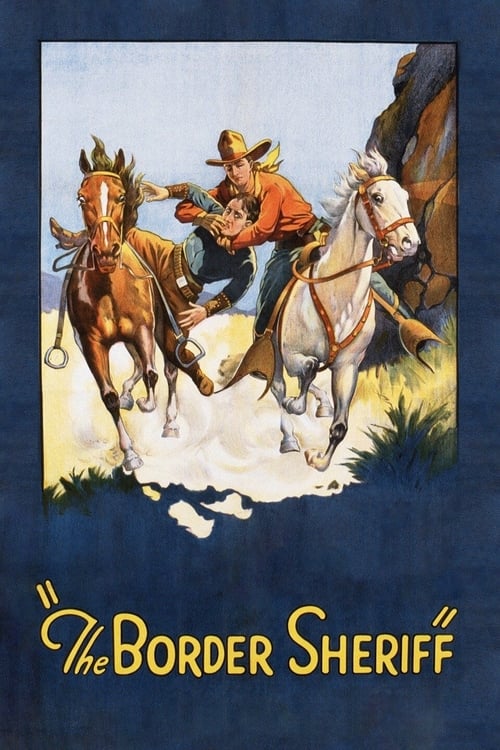
1926
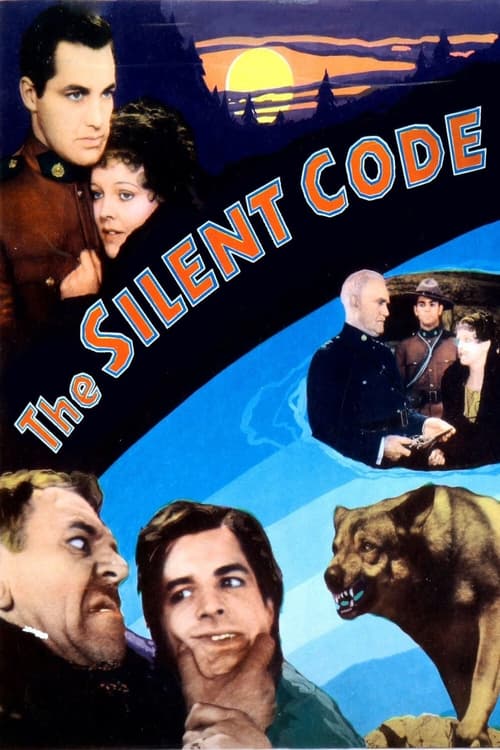
1935
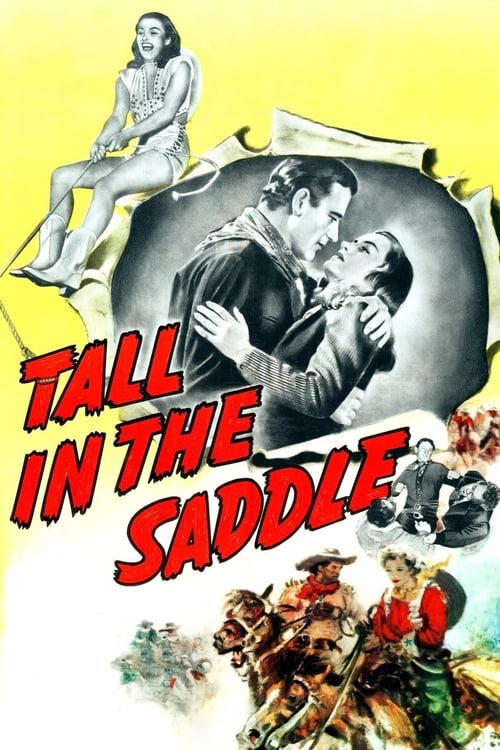
1944
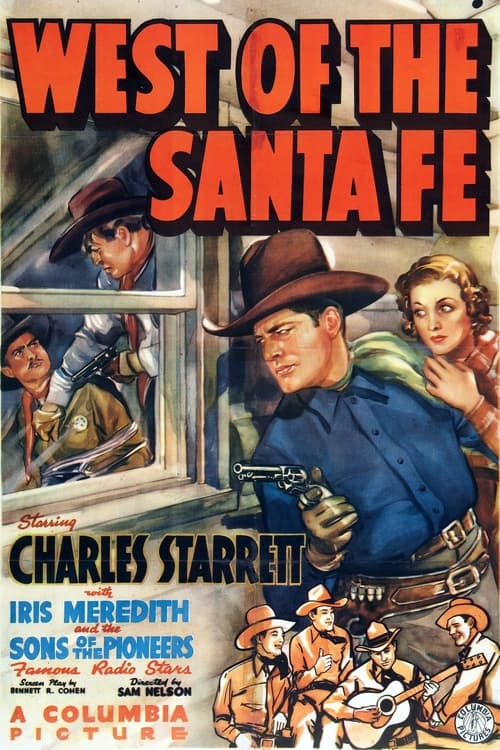
1938
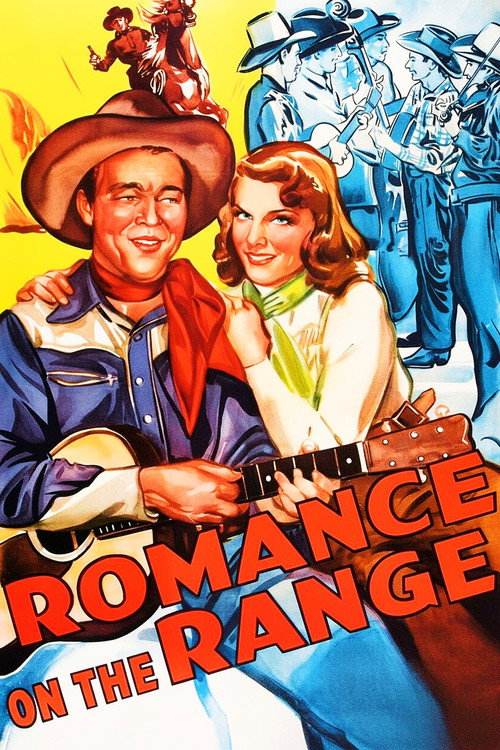
1942
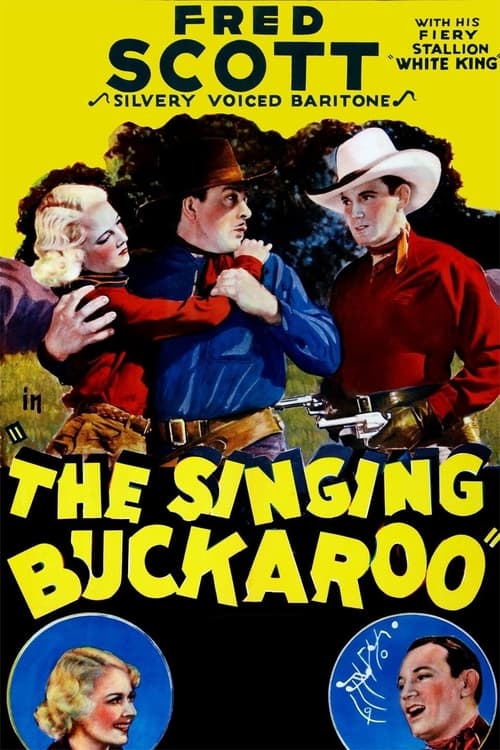
1937
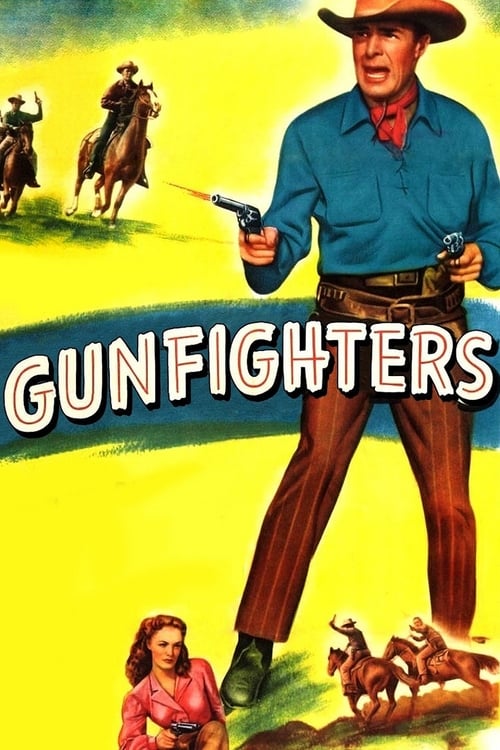
1947
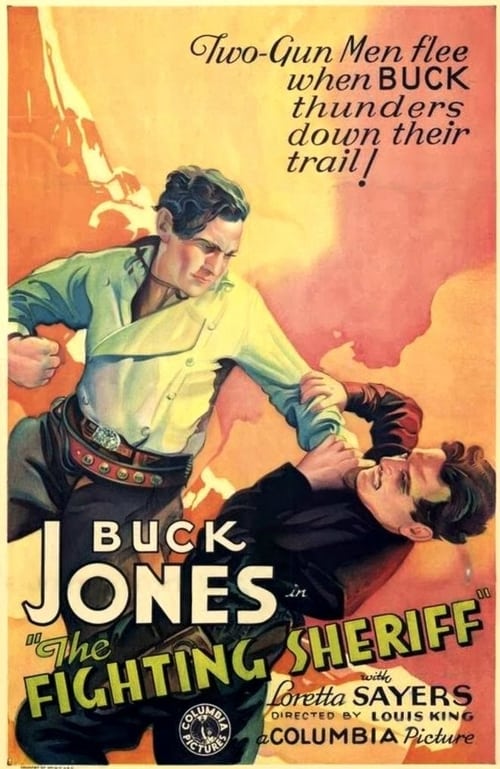
1931
No reviews yet. Be the first to share your thoughts on this movie!
Use the rating form above to leave a star rating and optional review.