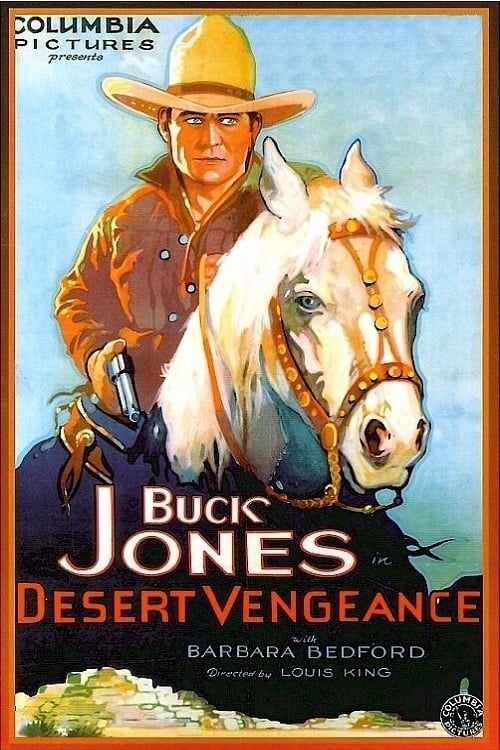
Desert Vengeance
1931
No user ratings available yet
Representation score: 0.4 out of 10
Representation Score
Minimal
1931
ApprovedDirector
Louis King
Runtime
62 minutes
Average Rating
No ratings yetNew Showbiz Analysis
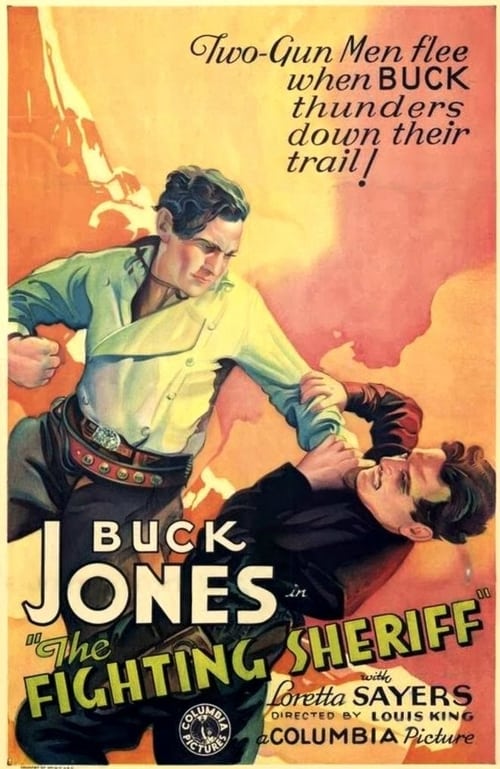
The Fighting Sheriff is a conventional Western that operates within the rigid social and narrative structures of 1931. The plot centers on male-driven conflicts involving outlawry, law enforcement, and romantic pursuits, leaving little room for diverse perspectives. Characters are largely archetypical. Women serve as reactive figures to drive the male protagonists' actions, and the racial landscape appears to follow the era's standard Anglo-Saxon focus. The film prioritizes traditional morality and the authority of the law over complex social exploration. Ultimately, the film functions as a standard genre piece. It lacks development of diverse perspectives or any significant disruption of the period's established power dynamics.
Category Breakdown
The film does not depict any non-straight relationships or same-sex intimacy. The story focuses on traditional romantic interests, reflecting the straight-centered standards of the early 1930s.
Female characters mainly function as catalysts for male conflict or romantic objects. Mary serves as a figure to be married, while Tiana acts as a reactive, jealous element in the plot.
The narrative lacks evidence of a diverse cast or non-white characters with significant roles. It likely reflects the homogeneous demographic norms typical of early Hollywood Westerns.
The film reinforces traditional Western themes of law and justice. It follows a standard moral trajectory without critiquing established institutions like the legal authority of the Sheriff.
There is no information regarding characters with physical, sensory, or neurodivergent disabilities in this production.
Present on Screen
Limited or Absent
Official Synopsis
A dying Jack makes Bob and Flash promise not to tell his sister that he was an outlaw. When Bob confronts Flash with his muffler found at the stage holdup, Flash tells Mary that Bob killed her brother. Believing he can now marry Mary, he plans one more robbery. But the jealous Tiana overhears and runs for the Sheriff.
1931
1930
1930
1935
1935
1940
1943
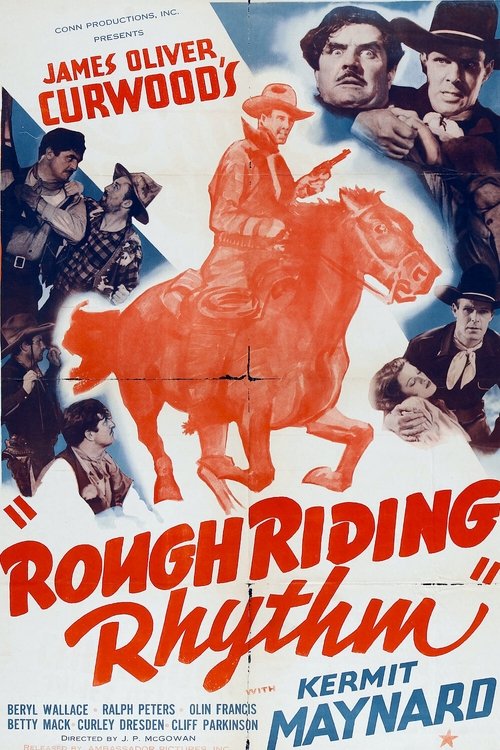
1937
No reviews yet. Be the first to share your thoughts on this movie!
Use the rating form above to leave a star rating and optional review.